Monoclonal Antibodies
Anti-PYCR1 Rabbit Monoclonal Antibody for WB, IF/ICC, IF-P, IHC-P, ELISA - P32322
Item Number : CM0008024
Price varies based on specs and customizations
- Application
- WB, IF/ICC, IF-P, IHC-P, ELISA
- Cross Reactivity
- Human
- Protein Weight
- 33kDa

Shipping:
Contact us to get shipping details Enjoy On-time Dispatch Guarantee.
Why Choose Us
Easy ordering process, quality products, and dedicated support for your business success.
Core Product Specifications and Parameters
| Parameter | Value |
|---|---|
| Product Name | PYCR1 Rabbit mAb |
| Remarks/Alias | P5C; P5CR; PRO3; PYCR; PIG45; PP222; ARCL2B; ARCL3B |
| Species | Human |
| GeneID (Human) | 5831 |
| GeneID | 5831 |
| Immunogen | Synthetic peptide corresponding to a sequence within amino acids 211-310 of human PYCR1 (NP_008838.2) |
| Source | Rabbit |
| Category | Monoclonal Antibodies |
| Application | WB, IF/ICC, IF-P, IHC-P, ELISA |
| Cross Reactivity | Human |
| SWISS | P32322 |
| Protein Weight | 33kDa |
| Shipping | Ice bag |
Biological Background: PYCR1 Function and Localization
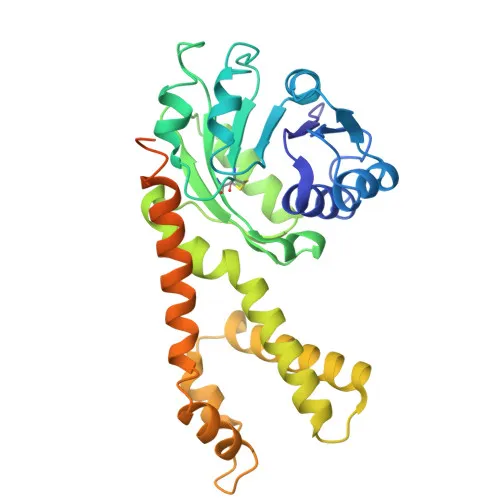
- PYCR1 encodes pyrroline-5-carboxylate reductase 1, a mitochondrial enzyme that catalyzes the final step in proline biosynthesis, reducing pyrroline-5-carboxylate to L-proline with NAD(P)H as a cofactor. Related references: PMID:16730026, PMID:19648921, PMID:23024808
- At physiological concentrations, PYCR1 exhibits higher specific activity with NADH than with NADPH, linking proline metabolism to cellular redox balance. Related references: PMID:16730026, PMID:23024808
- The enzyme plays a role in the cellular response to oxidative stress, helping to maintain redox homeostasis. Related references: PMID:16730026, PMID:19648921
- PYCR1 localizes to the mitochondrion, consistent with its function in amino acid metabolism and energy production.
- Proteomics studies indicate that PYCR1 undergoes post-translational modifications such as acetylation and phosphorylation, which may regulate its activity.
- Alternative splicing of the PYCR1 gene generates multiple transcript variants, potentially expanding its functional repertoire.
- The protein is annotated with a 'Disease variant' keyword in UniProt, suggesting its involvement in human pathology.
Experimental Guidance and Technical Tips
- The immunogen used to generate this monoclonal antibody corresponds to the central region (aa 211-310) of human PYCR1, which may contribute to recognition of endogenous protein across multiple immunoassays.
- For Western blotting, a band of approximately 33 kDa is expected; consider using appropriate loading controls and lysis buffers suitable for mitochondrial proteins.
- For immunofluorescence (IF/ICC, IF-P) and immunohistochemistry (IHC-P), fixation and permeabilization conditions may need optimization to detect mitochondrial-localized PYCR1. Antigen retrieval could be beneficial for paraffin-embedded tissues.
- ELISA applications may require pairing with a suitable PYCR1 detection antibody; the clone and epitope information can guide such development.
- Validate the antibody in relevant human cell lines or tissue samples known to express PYCR1, such as those with active proline synthesis or under oxidative stress.
CamelBio: Your One-Stop Sourcing Bridge
CamelBio offers diagnostic manufacturers and research laboratories a streamlined sourcing platform for high-quality IVD raw materials, including the PYCR1 monoclonal antibody for proline metabolism and redox studies. Our portfolio covers validated antibody pairs, optimized recombinant antibodies, bulk ancillary reagents, and specialized raw-material procurement for rare targets. Let CamelBio be your trusted partner in advancing immunoassay development from concept to clinic.
REQUEST A QUOTE
Our professional team will reply to you within one business day. Please feel free to contact us!