Polyclonal Antibodies
Anti-PXR Polyclonal Antibody for WB, ELISA - O75469
Item Number : CM0014755
Price varies based on specs and customizations
- Application
- WB, ELISA
- Cross Reactivity
- Human
- Protein Weight
- 50 kDa

Shipping:
Contact us to get shipping details Enjoy On-time Dispatch Guarantee.
Why Choose Us
Easy ordering process, quality products, and dedicated support for your business success.
Core Product Specifications and Parameters
| Parameter | Value |
|---|---|
| Product Name | PXR Rabbit pAb |
| Remarks/Alias | BXR; PAR; PRR; PXR; SAR; SXR; ONR1; PAR1; PAR2; PARq |
| Species | Human |
| GeneID (human) | 8856 |
| GeneID | 8856 |
| Immunogen | Synthetic peptide|A synthetic peptide corresponding to a sequence within amino acids 100-200 of human PXR (NP_071285.1). |
| Source | Rabbit |
| Category | Polyclonal Antibodies |
| Application | WB, ELISA |
| Cross Reactivity | Human |
| SWISS | O75469 |
| Protein Weight | 50 kDa |
| Shipping | Ice bag |
Biological Background: PXR Function and Localization
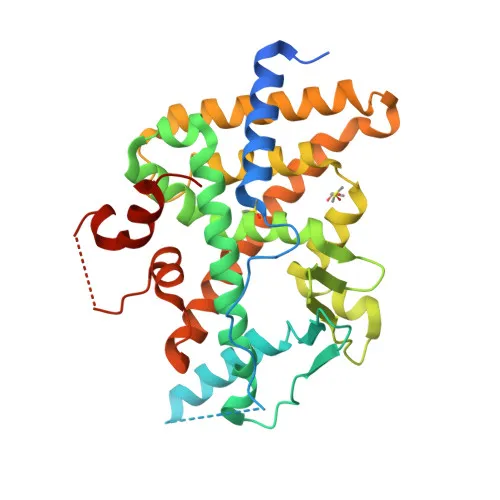
- Nuclear receptor subfamily 1 group I member 2 (PXR, also known as PAR1 or SXR) is a transcription factor that regulates genes involved in the metabolism and excretion of xenobiotics, drugs, and endogenous compounds.
- It is activated by a broad range of endogenous steroids (e.g., pregnenolone, progesterone) and xenobiotics, including the antibiotic rifampicin and certain plant-derived metabolites.
- Upon ligand binding, PXR translocates to the nucleus, forms a heterodimer with the retinoid X receptor (RXR), and binds to response elements in target promoters, driving expression of cytochrome P450 enzymes (e.g., CYP3A4) and ATP-binding cassette transporters (e.g., ABCB1/MDR1).
- PXR is predominantly expressed in the liver, colon, and small intestine, consistent with its role in first-pass metabolism and detoxification.
- The protein localizes to both the cytoplasm and nucleus; ligand activation triggers nuclear accumulation.
- Post-translational modifications include phosphorylation and ubiquitination, which may modulate its activity and stability.
- The canonical isoform has a calculated molecular weight of approximately 50 kDa; alternative splicing generates multiple variants.
- As a key xenobiotic sensor, PXR mediates drug–drug interactions and adaptive responses to foreign compounds.
Experimental Guidance and Technical Tips
- For Western blot, a starting dilution of 1:500–1:2000 is often suitable for polyclonal antibodies; validate with lysates from PXR-expressing tissues such as human liver or intestinal cell lines.
- Consider nuclear/cytoplasmic fractionation to monitor ligand-induced translocation if studying activation dynamics.
- In ELISA, the antibody may serve as a detection reagent for human PXR; ensure the epitope spanning amino acids 100–200 is accessible in the sample matrix.
- Always include appropriate positive (e.g., transfected cells, tissue lysates) and negative controls to confirm specificity.
CamelBio: Your One-Stop Sourcing Bridge
CamelBio offers diagnostic manufacturers and research laboratories streamlined access to IVD raw materials, including validated antibodies such as this anti-PXR polyclonal antibody for drug metabolism and transport studies. Our comprehensive portfolio features optimized monoclonal and polyclonal antibodies, bulk ancillary reagents, and customized sourcing for rare targets, all supported by technical consulting from concept to clinic. Whether you need ready-to-use antibody pairs or development support for novel assays, CamelBio bridges your procurement and innovation needs efficiently.
REQUEST A QUOTE
Our professional team will reply to you within one business day. Please feel free to contact us!