Monoclonal Antibodies
Anti-PVRL1/NECTIN1 Monoclonal Antibody for FC - Q15223
Item Number : CM0007721
Price varies based on specs and customizations
- Application
- FC (Flow Cytometry)
- Cross-Reactivity
- Human
- Protein Weight
- 57kDa, 51kDa, 39kDa

Shipping:
Contact us to get shipping details Enjoy On-time Dispatch Guarantee.
Why Choose Us
Easy ordering process, quality products, and dedicated support for your business success.
Core Product Specifications and Parameters
| Parameter | Specification |
|---|---|
| Product Name | PVRL1/NECTIN1 Rabbit mAb |
| Remarks/Alias | ED4; PRR; HIgR; HV1S; HVEC; OFC7; PRR1; PVRR; CD111; PVRL1; PVRR1; SK-12; CLPED1; nectin-1; PVRL1/NECTIN1 |
| Species | Human |
| GeneID (human) | 5818 |
| GeneID | 5818 |
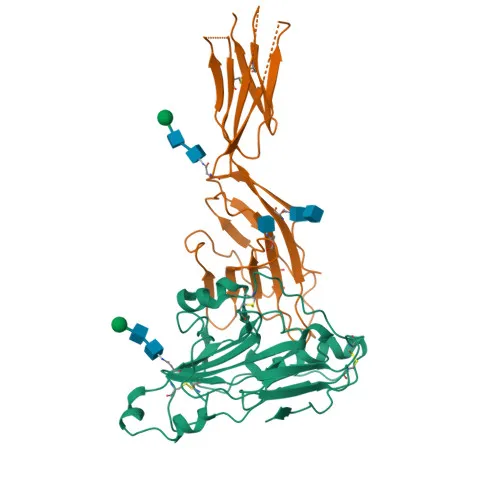
| Immunogen | Recombinant fusion protein containing a sequence corresponding to amino acids 1-334 of human PVRL1/NECTIN1 (NP_002846.3) |
| Source | Rabbit |
| Category | Monoclonal Antibodies |
| Application | FC |
| Cross Reactivity | Human |
| SWISS | Q15223 |
| Protein Weight | 57kDa/51kDa/39kDa |
| Shipping | Ice bag |
Biological Background: Nectin-1 Function and Localization
- Nectin-1 (also known as PVRL1, CD111, HveC) is a cell adhesion molecule that mediates homophilic and heterophilic trans-dimerization with nectin-3 and nectin-4, promoting cell-cell contacts. Related references: PMID:21325282
- It plays critical roles in nervous system development, including axon guidance, synaptogenesis, and neurite outgrowth, particularly by facilitating interactions between commissural axons and floor plate cells.
- In the auditory epithelium, Nectin-1 interacts heterophilically with Nectin-3 to establish hair cell-supporting cell checkerboard-like patterns.
- Nectin-1 serves as the major receptor for herpes simplex virus 1 (HSV-1) and HSV-2, as well as pseudorabies virus, mediating viral entry into host cells. Related references: PMID:21980294 PMID:25231300 PMID:28381567 PMID:34587223
- It is localized at the cell membrane, adherens junctions, and presynaptic cell membrane, with a secreted isoform also reported.
- The protein undergoes alternative splicing, producing isoforms with molecular weights of approximately 57 kDa, 51 kDa, and 39 kDa, and is subject to phosphorylation and ubiquitination.
- Mutations in NECTIN1 are associated with ectodermal dysplasia and orofacial cleft.
- It is identified as a biomarker in proteomics studies.
Experimental Guidance and Technical Tips
- The immunogen corresponds to the N-terminal extracellular domain (aa 1-334), covering the Ig-like repeats. For flow cytometry, ensure a single-cell suspension and consider using an Fc receptor blocking step to reduce non-specific binding.
- Titrate the antibody on a known Nectin-1-positive cell line (e.g., HeLa, HEK293, or neuronal cells) to determine the optimal working concentration for FC.
- When studying viral entry mechanisms, validate the antibody in your specific infection model and consider co-staining with viral or cellular markers.
- As a rabbit monoclonal, ensure that the secondary detection reagent is compatible with rabbit IgG and appropriate for flow cytometry.
CamelBio: Your One-Stop Sourcing Bridge
CamelBio offers a comprehensive portfolio of IVD raw materials for diagnostic and research applications, including validated antibody pairs, monoclonal/polyclonal antibodies, and bulk ancillary reagents. Our Nectin-1 (PVRL1) rabbit monoclonal antibody supports studies in cell adhesion, neurodevelopment, and viral pathogenesis. As your sourcing partner, we can also assist in sourcing rare targets and provide technical consulting from concept to clinic.
REQUEST A QUOTE
Our professional team will reply to you within one business day. Please feel free to contact us!