Polyclonal Antibodies
Anti-PUF60 Rabbit Polyclonal Antibody for WB, IP, ELISA - Q9UHX1
Item Number : CM0030752
Price varies based on specs and customizations
- Application
- WB, IP, ELISA
- Cross Reactivity
- Human, Mouse, Rat
- Protein Weight
- 60kDa

Shipping:
Contact us to get shipping details Enjoy On-time Dispatch Guarantee.
Why Choose Us
Easy ordering process, quality products, and dedicated support for your business success.
Core Product Specifications and Parameters
| Parameter | Value |
|---|---|
| Product Name | PUF60 Rabbit pAb |
| Remarks/Alias | FIR; VRJS; RoBPI; SIAHBP1; PUF60 |
| Species | Human |
| GeneID | 22827 (Human) |
| Immunogen | Recombinant fusion protein containing a sequence corresponding to amino acids 243-542 of human PUF60 (NP_055096.2) |
| Source | Rabbit |
| Category | Polyclonal Antibodies |
| Application | WB, IP, ELISA |
| Cross Reactivity | Human, Mouse, Rat |
| SWISS | Q9UHX1 |
| Protein Weight | 60kDa |
| Shipping | Ice bag |
Biological Background: PUF60 Function and Localization
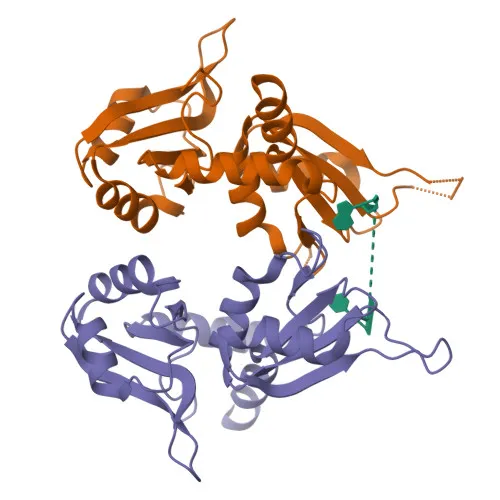
- PUF60 (Poly(U)-binding-splicing factor 60 kDa), also known as FIR, RoBPI, or Siah-BP1, is a DNA- and RNA-binding protein involved in pre-mRNA splicing, apoptosis, and transcriptional regulation.
- It functions as a transcriptional repressor through the core-TFIIH complex, decreasing ERCC3 helicase activity, and represses FUBP1-induced MYC transcription at the P2 promoter.
- In pre-mRNA splicing, PUF60 promotes splicing of introns with weak 3'-splice sites and binds to the pyrimidine tract and 3'-splice site regions cooperatively with U2AF2.
- Isoform 6, which is expressed in colorectal cancer but not normal epithelium, fails to repress MYC transcription and inhibits FIR-induced apoptosis, potentially contributing to tumor progression.
- PUF60 localizes to the nucleus and is expressed widely across tissues, including heart, brain, lung, liver, kidney, and colon.
- The protein undergoes post-translational modifications such as acetylation and phosphorylation, and is a known target for ubiquitination (Ubl conjugation).
Experimental Guidance and Technical Tips
- The immunogen is a recombinant fragment covering amino acids 243–542 of human PUF60 (NP_055096.2), which lies within the C-terminal region containing RNA recognition motifs; this design may enhance specificity.
- For Western blot, consider using a standard transfer buffer and optimize the primary antibody dilution across a range (e.g., 1:500–1:2000) based on the endogenous expression level in your sample.
- In immunoprecipitation, the antibody can capture endogenous PUF60 from human, mouse, or rat cell lysates; validate by co-immunoblotting with an anti-PUF60 antibody from a different host.
- For ELISA, the polyclonal nature may provide robust signal amplification; pair with a matched monoclonal detection antibody for sandwich applications.
- Always include appropriate positive and negative controls (e.g., HeLa whole cell lysate for WB) to confirm antibody performance.
CamelBio: Your One-Stop Sourcing Bridge
CamelBio is your one-stop partner for IVD raw materials, bridging the gap from discovery to clinical application. We offer validated polyclonal antibodies like this anti-PUF60 antibody for transcription and splicing research, alongside bulk ancillary reagents and custom sourcing for rare-target raw materials. Whether you need optimized antibody pairs, monoclonal alternatives, or technical support, CamelBio streamlines your diagnostic development with reliable, scalable supply solutions.
REQUEST A QUOTE
Our professional team will reply to you within one business day. Please feel free to contact us!