Monoclonal Antibodies
Anti-PU.1/SPI1 Monoclonal Antibody for WB, IF, IHC-P, FC, ELISA - P17947
Item Number : CM0007005
Price varies based on specs and customizations
- Application
- WB, IF/ICC, IF-P, IHC-P, FC (intra), ELISA
- Cross Reactivity
- Human
- Protein Weight
- 31kDa

Shipping:
Contact us to get shipping details Enjoy On-time Dispatch Guarantee.
Why Choose Us
Easy ordering process, quality products, and dedicated support for your business success.
Core Product Specifications and Parameters
| Parameter | Specification |
|---|---|
| Product Name | PU.1/SPI1 Rabbit mAb |
| Remarks/Alias | OF; PU.1; AGM10; SFPI1; SPI-1; SPI-A; PU.1/SPI1 |
| Species | Human |
| Gene ID (Human) | 6688 |
| Gene ID | 6688 |
| Immunogen | Synthetic peptide corresponding to a sequence within amino acids 1-100 of human PU.1/SPI1 (NP_003111.2) |
| Source | Rabbit |
| Category | Monoclonal Antibodies |
| Application | WB, IF/ICC, IF-P, IHC-P, FC (intra), ELISA |
| Cross Reactivity | Human |
| SWISS | P17947 |
| Protein Weight | 31kDa |
| Shipping | Ice bag |
Biological Background: PU.1/SPI1 Function and Localization
- PU.1 (SPI1) is a pioneer transcription factor that decompacts heterochromatin in hematopoietic stem cells, enabling access for other transcription factors to otherwise inaccessible genomic sites. Related references: PMID:23658224 PMID:33951726
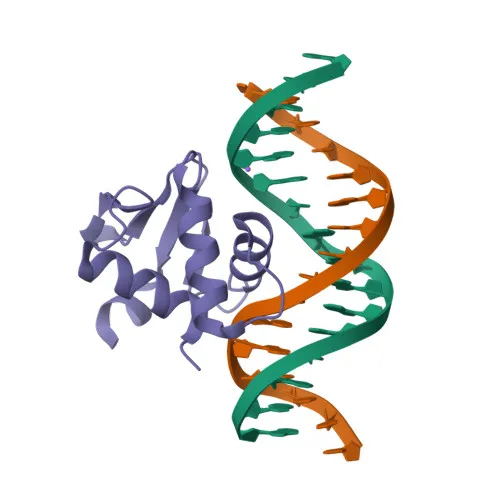
- It directly binds to purine-rich DNA core sequences (PU-box, 5'-GAGGAA-') via its ETS domain, regulating gene expression critical for myeloid and lymphoid lineage development. Related references: PMID:33951726
- PU.1 transcriptionally activates genes such as CSF1R, and cooperates with other transcription factors (e.g., GATA1 for FCER1A transactivation) on promoters with low-affinity binding sites.
- It plays a crucial role in B-cell development, particularly for the pro- to pre-B cell transition, and is expressed in germinal center B-cells. Related references: PMID:33951726 PMID:23166356
- Subcellularly, PU.1 localizes to the nucleus, consistent with its function as a transcription factor.
- PU.1 is a phosphoprotein and undergoes alternative splicing, producing isoforms with potentially distinct regulatory roles.
- In vitro, PU.1 can bind RNA and interfere with pre-mRNA splicing, suggesting additional post-transcriptional regulatory functions.
- Genetic variants of SPI1 are associated with developmental disorders and it is classified as a proto-oncogene.
Experimental Guidance and Technical Tips
- For Western blot, anticipate a band near 31 kDa; optimize blocking conditions and primary antibody dilution for your specific cell or tissue lysate.
- In immunofluorescence and immunohistochemistry, ensure adequate permeabilization for nuclear localization detection; consider using a nuclear counterstain.
- The immunogen peptide maps to the N-terminal region (amino acids 1-100); the antibody may recognize full-length PU.1 as well as certain splice variants containing this epitope.
- For flow cytometry (intracellular staining), validate fixation and permeabilization protocols in your relevant hematopoietic cell system.
- Cross-reactivity is reported for human; if applying to other species, perform sequence alignment and pilot testing.
CamelBio: Your One-Stop Sourcing Bridge
CamelBio supports diagnostic manufacturers and research laboratories with integrated access to high-quality IVD raw materials like this anti-PU.1/SPI1 monoclonal antibody, relevant to hematopoietic transcription factor studies. Beyond individual antibodies, we offer validated antibody pairs, bulk ancillary reagents, and customized sourcing for rare targets—streamlining your transition from concept to clinic. Partner with us to secure the critical raw materials your assays demand.
Product Datasheet
Anti-PU.1/SPI1 Monoclonal Antibody for WB, IF, IHC-P, FC, ELISA - P17947
REQUEST A QUOTE
Our professional team will reply to you within one business day. Please feel free to contact us!