Polyclonal Antibodies
Anti-PTS (6-pyruvoyl tetrahydrobiopterin synthase) Polyclonal Antibody for WB, ELISA - Q03393
Item Number : CM0028868
Price varies based on specs and customizations
- Application
- WB, ELISA
- Cross Reactivity
- Human, Mouse, Rat
- Protein Weight
- 16kDa

Shipping:
Contact us to get shipping details Enjoy On-time Dispatch Guarantee.
Why Choose Us
Easy ordering process, quality products, and dedicated support for your business success.
Core Product Specifications and Parameters
| Parameter | Value |
|---|---|
| Product Name | PTS Rabbit pAb |
| Remarks/Alias | PTPS; PTS |
| Species | Human |
| Gene ID (Human) | 5805 |
| Gene ID | 5805 |
| Immunogen | Recombinant protein |
| Source | Rabbit |
| Category | Polyclonal Antibodies |
| Application | WB, ELISA |
| Cross Reactivity | Human, Mouse, Rat |
| SWISS | Q03393 |
| Protein Weight | 16kDa |
| Shipping | Ice bag |
Biological Background: PTS (6-pyruvoyl tetrahydrobiopterin synthase) Function and Localization
- PTS encodes 6-pyruvoyl tetrahydrobiopterin synthase, a key enzyme in the de novo biosynthesis of tetrahydrobiopterin (BH4).
- BH4 serves as an essential cofactor for aromatic amino acid hydroxylases (phenylalanine, tyrosine, tryptophan hydroxylases), as well as nitric oxide synthase.
- The enzyme catalyzes the conversion of 7,8-dihydroneopterin triphosphate to 6-pyruvoyl tetrahydropterin, a critical step in BH4 production.
- PTS is classified as a lyase and requires zinc as a cofactor for catalytic activity.
- Phosphorylation of PTS has been identified, suggesting post-translational regulation of enzyme function.
- Mutations in PTS are a known cause of hyperphenylalaninemia and atypical phenylketonuria, underscoring its clinical importance.
- The mature protein has a molecular weight of approximately 16.4 kDa, consistent with detection at ~16 kDa in western blotting.
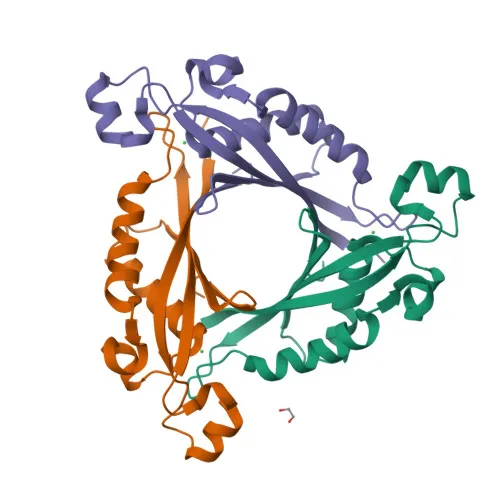
- Three-dimensional structural data are available, aiding mechanistic studies and the interpretation of disease-associated variants.
Experimental Guidance and Technical Tips
- When performing western blot, consider using a lysate from cell lines or tissues endogenously expressing PTS (e.g., liver, kidney) as a positive control, expecting a band near 16 kDa.
- For cross-reactivity with mouse and rat samples, validate under your specific experimental conditions, as the antibody was raised against the full-length human protein.
- In ELISA applications, optimize the coating concentration of the recombinant immunogen or native antigen and titration of the antibody to achieve the desired signal-to-noise ratio.
- The antibody, being a polyclonal preparation, may recognize additional epitopes; confirm specificity through appropriate blocking or competition experiments.
CamelBio: Your One-Stop Sourcing Bridge
CamelBio serves as a comprehensive partner for diagnostic manufacturers, laboratories, and research institutes, offering streamlined access to IVD raw materials, technical services, and consulting—from concept to clinic. For projects involving tetrahydrobiopterin metabolism and related inborn errors of metabolism, we provide validated antibody pairs, optimized monoclonal and polyclonal antibodies, bulk ancillary reagents, and assistance in sourcing rare-target raw materials to accelerate your assay development.
Product Datasheet
Anti-PTS (6-pyruvoyl tetrahydrobiopterin synthase) Polyclonal Antibody for WB, ELISA - Q03393
REQUEST A QUOTE
Our professional team will reply to you within one business day. Please feel free to contact us!