Polyclonal Antibodies
Anti-PTPRU Rabbit Polyclonal Antibody for WB, ELISA - Q92729
Item Number : CM0031004
Price varies based on specs and customizations
- Application
- WB, ELISA
- Cross Reactivity
- Mouse, Rat
- Protein Weight
- 162kDa

Shipping:
Contact us to get shipping details Enjoy On-time Dispatch Guarantee.
Why Choose Us
Easy ordering process, quality products, and dedicated support for your business success.
Core Product Specifications and Parameters
| Parameter | Value |
|---|---|
| Product Name | PTPRU Rabbit pAb |
| Remarks/Alias | FMI; PTP; PCP-2; PTP-J; PTPRO; PTPU2; PTP-PI; PTP-RO; PTPPSI; hPTP-J; R-PTP-U; R-PTP-PSI; PTPRU |
| Species | Human |
| GeneID (Human) | 10076 |
| GeneID | 10076 |
| Immunogen | Synthetic peptide corresponding to a sequence within amino acids 1-100 of human PTPRU (NP_005695.3) |
| Source | Rabbit |
| Category | Polyclonal Antibodies |
| Application | WB, ELISA |
| Cross Reactivity | Mouse, Rat |
| SWISS | Q92729 |
| Protein Weight | 162kDa |
| Shipping | Ice bag |
Biological Background: PTPRU Function and Localization
- Receptor-type tyrosine-protein phosphatase U (PTPRU), also known as PCP-2, PTP-J, PTP pi, PTP-RO, and R-PTP-psi, is encoded by the PTPRU gene and belongs to the protein phosphatase family.
- PTPRU dephosphorylates beta-catenin (CTNNB1), regulating its function in cell adhesion at cell junctions and in Wnt signaling, thereby influencing cell proliferation and migration and maintaining epithelial integrity.
- It may play a role in megakaryocytopoiesis, the differentiation process leading to platelet production.
- The protein localizes to cell junctions and the cell membrane, consistent with its involvement in cell-cell adhesion dynamics.
- Tissue expression is highest in brain, pancreas, and skeletal muscle, with moderate levels in colon, kidney, liver, stomach, and uterus; it is absent in placenta and spleen. PTPRU is also detected in heart, prostate, lung, thymus, testis, ovary, and hematopoietic stem cells, and is ubiquitously expressed throughout the brain.
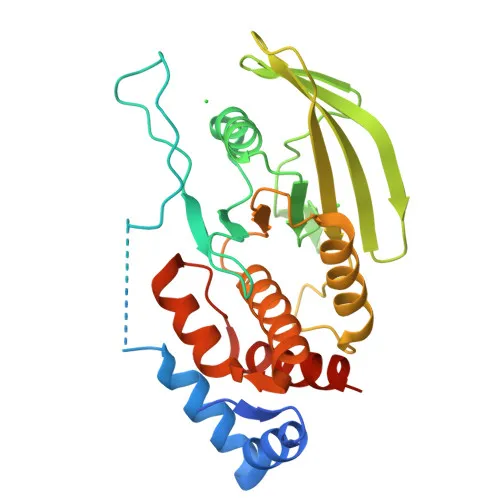
- Structurally, PTPRU contains extracellular immunoglobulin domains, a single-pass transmembrane helix, and an intracellular tyrosine-protein phosphatase domain; it undergoes alternative splicing, glycosylation, and phosphorylation.
Experimental Guidance and Technical Tips
- The immunogen is a synthetic peptide from the N-terminal region (amino acids 1–100). In Western blotting, expect a band near 162 kDa; validate using lysates from PTPRU-expressing tissues like brain, pancreas, or skeletal muscle.
- For ELISA, the peptide immunogen can serve as a positive control; pair the antibody with an appropriate anti-rabbit IgG secondary antibody for detection.
- Although cross-reactivity with mouse and rat is indicated, epitope conservation across species should be verified by sequence alignment of the immunogen region.
- As a polyclonal antibody, include suitable positive and negative controls in each experiment to account for potential lot-to-lot variation.
CamelBio: Your One-Stop Sourcing Bridge
CamelBio offers a streamlined sourcing solution for IVD raw materials, supporting manufacturers and researchers with validated antibodies like anti-PTPRU for studies in cell adhesion and cancer biology. Our supply capabilities include bulk monoclonal/polyclonal antibodies, validated antibody pairs, and ancillary reagents, complemented by technical consulting to accelerate your development from concept to clinic. Whether you need rare-target raw materials or scalable production, CamelBio bridges the gap with reliable one-stop support.
REQUEST A QUOTE
Our professional team will reply to you within one business day. Please feel free to contact us!