Monoclonal Antibodies
Anti-PTPRR Monoclonal Antibody for WB, ELISA - Q15256
Item Number : CM0002821
Price varies based on specs and customizations
- Application
- WB, ELISA
- Cross Reactivity
- Mouse, Rat
- Protein Weight
- 74kDa

Shipping:
Contact us to get shipping details Enjoy On-time Dispatch Guarantee.
Why Choose Us
Easy ordering process, quality products, and dedicated support for your business success.
Core Product Specifications and Parameters
| Parameter | Value |
|---|---|
| Product Name | PTPRR Rabbit mAb |
| Remarks/Alias | PTPRQ; EC-PTP; PCPTP1; PTP-SL; PTPBR7; PTPRR |
| Species | Human |
| Gene ID (Human) | 5801 |
| Gene ID | 5801 |
| Immunogen | Synthetic peptide corresponding to a sequence within amino acids 1-100 of human PTPRR (Q15256) |
| Source | Rabbit |
| Category | Monoclonal Antibodies |
| Application | WB, ELISA |
| Cross Reactivity | Mouse, Rat |
| SWISS | Q15256 |
| Protein Weight | 74kDa |
| Shipping | Ice bag |
Biological Background: PTPRR Function and Localization
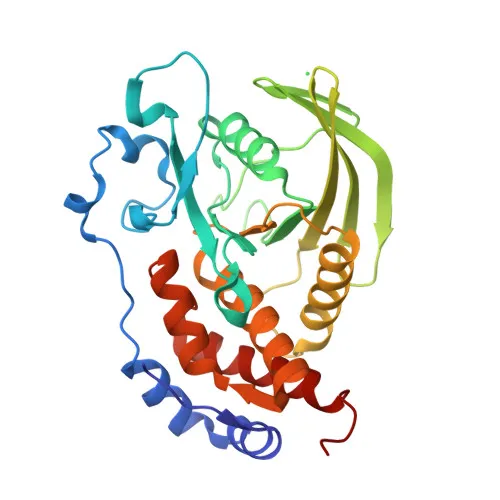
- PTPRR (Receptor-type tyrosine-protein phosphatase R) is a transmembrane phosphatase also known as Ch-1PTPase, NC-PTPCOM1, and PCPTP1. Multiple isoforms exist (alpha, gamma, delta) with tissue-specific distribution.
- It functions to sequester mitogen-activated protein kinases (MAPKs) such as MAPK1, MAPK3, and MAPK14 in the cytoplasm in an inactive form; phosphorylation by PKA complex releases MAPKs for activation and nuclear translocation.
- The protein is localized to the cell membrane, cytoplasm, and perinuclear region, and can also be secreted.
- Tissue expression: Detected in cerebrospinal fluid and expressed in brain, placenta, small intestine, stomach, uterus, and weakly in prostate. Isoform alpha is brain-specific; gamma is expressed in brain, placenta, uterus; delta in brain, kidney, placenta, prostate, small intestine, and uterus. Related references: PMID:25326458
- Post-translational modifications include glycosylation and phosphorylation (keywords: Glycoprotein, Phosphoprotein, Proteoglycan). It undergoes alternative splicing.
- Molecular weight: 73.8 kDa (predicted); migrates at approximately 74 kDa.
Experimental Guidance and Technical Tips
- The immunogen corresponds to the N-terminal region (aa 1-100), suggesting potential recognition of multiple isoforms sharing this sequence. Use appropriate positive controls (e.g., brain, placenta lysates) and consider knockout/knockdown validation.
- For Western blot, expect a band around 74 kDa. Ensure adequate separation on SDS-PAGE gels and test a range of primary antibody dilutions (starting at 1:500 is a common choice).
- Given cross-reactivity with mouse and rat, this antibody is suitable for detecting endogenous PTPRR in rodent tissues; validate in the relevant sample system.
- For ELISA applications, verify binding by coating with recombinant protein or peptide and titrate the antibody accordingly.
CamelBio: Your One-Stop Sourcing Bridge
CamelBio serves as a reliable one-stop partner for IVD raw-material sourcing, providing validated antibody pairs, bulk monoclonal and polyclonal antibodies, and ancillary reagents for diagnostic development. This PTPRR monoclonal antibody supports researchers and manufacturers in MAPK signaling studies and immunoassay development. Beyond this product, we offer customized sourcing solutions for rare targets and entire workflow support from concept to clinic.
REQUEST A QUOTE
Our professional team will reply to you within one business day. Please feel free to contact us!