Polyclonal Antibodies
Anti-PTPRD Polyclonal Antibody for WB, IHC-P, ELISA - P23468
Item Number : CM0028949
Price varies based on specs and customizations
- Application
- WB, IHC-P, ELISA
- Cross Reactivity
- Human, Mouse
- Protein Weight
- 215kDa

Shipping:
Contact us to get shipping details Enjoy On-time Dispatch Guarantee.
Why Choose Us
Easy ordering process, quality products, and dedicated support for your business success.
Core Product Specifications and Parameters
| Parameter | Value |
|---|---|
| Product Name | PTPRD Rabbit pAb |
| Remarks/Alias | HPTP; PTPD; HPTPD; HPTPDELTA; RPTPDELTA; R-PTP-delta; PTPRD |
| Species | Human |
| GeneID (Human) | 5789 |
| GeneID | 5789 |
| Immunogen | Recombinant fusion protein containing a sequence corresponding to amino acids 475-574 of human PTPRD (NP_002830.1). |
| Source | Rabbit |
| Category | Polyclonal Antibodies |
| Application | WB, IHC-P, ELISA |
| Cross Reactivity | Human, Mouse |
| SWISS | P23468 |
| Protein Weight | 215kDa |
| Shipping | Ice bag |
Biological Background: PTPRD Function and Localization
- Receptor-type tyrosine-protein phosphatase delta (PTPRD), also known as HPTPδ, is a member of the receptor-type protein tyrosine phosphatase family.
- It bidirectionally induces pre- and post-synaptic differentiation of neurons by mediating trans-synaptic interactions with IL1RAP and IL1RAPL1, and is involved in pre-synaptic differentiation through interaction with SLITRK2.
- PTPRD is a single-pass type I membrane protein, localizing to the cell membrane.
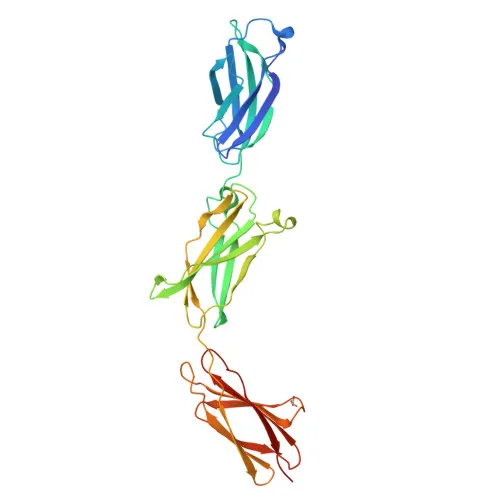
- The protein contains immunoglobulin domains, fibronectin type-III repeats, and a tyrosine-protein phosphatase domain, characteristic of receptor-type phosphatases.
- Post-translational modifications include glycosylation and disulfide bond formation, essential for proper folding and function.
- Alternative splicing generates multiple isoforms, contributing to functional diversity.
- Keywords associated with PTPRD include Hydrolase, Protein phosphatase, Receptor, Transmembrane helix, and Signal, reflecting its enzymatic and signaling roles.
Experimental Guidance and Technical Tips
- As a polyclonal antibody raised against a recombinant extracellular domain fragment (aa 475-574), it may recognize multiple epitopes, offering robust detection.
- For Western blot, expect a band around 215 kDa; consider using low-percentage SDS-PAGE gels and optimized transfer conditions for high-molecular-weight proteins.
- In IHC-P, membrane-localized staining is anticipated; validate with appropriate negative controls and consider antigen retrieval methods for your specific tissue.
- Cross-reactivity with human and mouse enables studies in both species; however, perform individual optimization for each application and sample type.
CamelBio: Your One-Stop Sourcing Bridge
CamelBio provides diagnostic manufacturers and research labs with a comprehensive one-stop sourcing platform for IVD raw materials, including validated antibody pairs, optimized monoclonal and polyclonal antibodies, bulk ancillary reagents, and rare target procurement. For projects focused on neurological development and synaptic signaling, our PTPRD antibody supports assay development across Western blot, IHC, and ELISA platforms. With end-to-end supply solutions from concept to clinic, CamelBio streamlines your raw material acquisition for efficient diagnostic kit production.
REQUEST A QUOTE
Our professional team will reply to you within one business day. Please feel free to contact us!