Polyclonal Antibodies
Anti-PTPRB Polyclonal Antibody for WB, ELISA - P23467
Item Number : CM0028579
Price varies based on specs and customizations
- Application
- WB, ELISA
- Cross Reactivity
- Human
- Protein Weight
- 224kDa

Shipping:
Contact us to get shipping details Enjoy On-time Dispatch Guarantee.
Why Choose Us
Easy ordering process, quality products, and dedicated support for your business success.
Core Product Specifications and Parameters
| Parameter | Value |
|---|---|
| Product Name | PTPRB Rabbit pAb |
| Remarks/Alias | PTPB; HPTPB; VEPTP; HPTP-BETA; R-PTP-BETA; PTPRB |
| Species | Human |
| GeneID (Human) | 5787 |
| GeneID | 5787 |
| Immunogen | Recombinant protein corresponding to a sequence within amino acids 1173-1260 of human PTPRB (NP_002828.3) |
| Source | Rabbit |
| Category | Polyclonal Antibodies |
| Application | WB, ELISA |
| Cross Reactivity | Human |
| SWISS | P23467 |
| Protein Weight | 224kDa |
| Shipping | Ice bag |
Biological Background: PTPRB Function and Localization
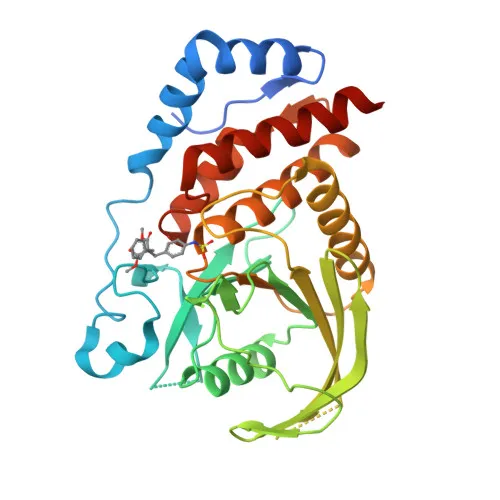
- Receptor-type tyrosine-protein phosphatase beta (PTPRB), also known as vascular endothelial protein tyrosine phosphatase (VE-PTP), is a member of the protein tyrosine phosphatase family.
- It plays an essential role in blood vessel remodeling and angiogenesis; not required for initial vessel formation but critical for maintenance and remodeling of existing vessels.
- PTPRB can induce dephosphorylation of key endothelial receptors and adhesion molecules, including TEK/TIE2, CDH5/VE-cadherin, and KDR/VEGFR-2.
- It acts as a negative regulator of angiopoietin-TIE2 signaling, controlling TIE2-driven endothelial cell proliferation, which influences embryonic vessel remodeling and perinatal vessel size determination.
- PTPRB is essential for maintaining endothelial cell contact integrity and the adhesive function of VE-cadherin, a process requiring plakoglobin.
- According to UniProt, it is a membrane protein with signal peptide, transmembrane helix, and multiple fibronectin type III-like repeats.
- Key post-translational modifications include glycosylation and phosphorylation; it is also subject to alternative splicing.
Experimental Guidance and Technical Tips
- The immunogen region (residues 1173-1260) lies within the extracellular domain; for western blot, expect a band around 224 kDa under reducing conditions; include appropriate molecular weight markers and consider extended transfer times for high molecular weight proteins.
- For ELISA, use the recombinant immunogen protein or native PTPRB from human endothelial cell lysates as coating antigen; validate detection in the relevant sample system.
- Given the role of PTPRB in endothelial biology, consider testing the antibody in human umbilical vein endothelial cells (HUVECs) or other vascular endothelial models.
CamelBio: Your One-Stop Sourcing Bridge
As a dedicated IVD raw-material sourcing partner, CamelBio supports diagnostic manufacturers and research labs in accelerating assay development with reliable antibodies and ancillary reagents. For angiogenesis and endothelial biology targets like PTPRB, CamelBio offers polyclonal and monoclonal antibodies optimized for applications such as WB and ELISA, along with bulk supply and customized sourcing for rare or difficult targets. Partner with us to streamline your raw-material procurement from discovery to clinical application.
REQUEST A QUOTE
Our professional team will reply to you within one business day. Please feel free to contact us!