Polyclonal Antibodies
Anti-PTPN23 Rabbit Polyclonal Antibody for WB, IHC-P, ELISA - Q9H3S7
Item Number : CM0030278
Price varies based on specs and customizations
- Application
- WB, IHC-P, ELISA
- Cross Reactivity
- Mouse, Rat
- Protein Weight
- 179kDa

Shipping:
Contact us to get shipping details Enjoy On-time Dispatch Guarantee.
Why Choose Us
Easy ordering process, quality products, and dedicated support for your business success.
Core Product Specifications and Parameters
| Parameter | Value |
|---|---|
| Product Name | PTPN23 Rabbit pAb |
| Remarks/Alias | HDPTP; HD-PTP; NEDBASS; PTP-TD14; PTPN23 |
| Species | Human |
| GeneID (Human) | 25930 |
| GeneID | 25930 |
| Immunogen | Recombinant protein |
| Source | Rabbit |
| Category | Polyclonal Antibodies |
| Application | WB, IHC-P, ELISA |
| Cross Reactivity | Mouse, Rat |
| SWISS | Q9H3S7 |
| Protein Weight | 179kDa |
| Shipping | Ice bag |
Biological Background: PTPN23 Function and Localization
- PTPN23, also known as HD-PTP, PTP-TD14, and NEDBASS, is a tyrosine-protein phosphatase non-receptor type 23 encoded by the PTPN23 gene (Gene ID: 25930).
- It plays a critical role in sorting endocytic ubiquitinated cargos into multivesicular bodies (MVBs) by interacting with the ESCRT-I complex and potentially other ESCRT complexes. Related references: PMID:18434552, PMID:21757351
- May act as a negative regulator of Ras-mediated mitogenic activity, influencing cell proliferation and signaling. Related references: PMID:18434552
- Essential for ciliogenesis, localizing to the cilium basal body and participating in primary cilium assembly. Related references: PMID:20393563
- Subcellularly, PTPN23 is found in the nucleus, cytoplasm, early endosomes, and at the cytoskeleton‑associated cilium basal body.
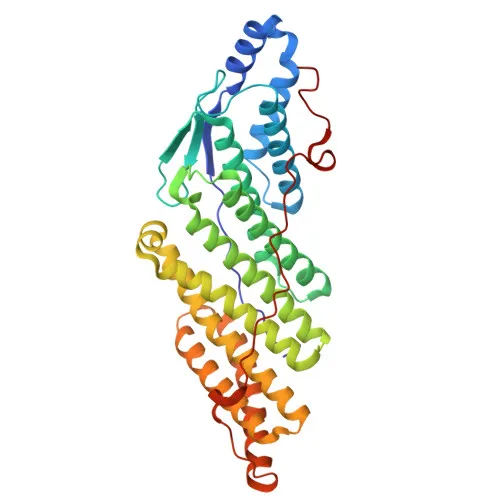
- It harbors structural motifs including coiled‑coil domains and TPR repeats, indicative of protein‑protein interaction functions.
- Post‑translational modifications include methylation and phosphorylation; mutations in PTPN23 are linked to neurological disorders such as epilepsy and intellectual disability.
Experimental Guidance and Technical Tips
- The immunogen corresponds to amino acids 1230–1450, a C-terminal region encompassing part of the catalytic phosphatase domain, ensuring detection of full‑length PTPN23.
- For Western blot, the predicted molecular weight is approximately 179 kDa; use a low‑concentration acrylamide gel (e.g., 6–8%) and prolonged transfer to improve transfer efficiency of this large protein.
- IHC‑P may require antigen retrieval (heat‑induced, citrate buffer pH 6.0); optimize using tissue known to express PTPN23, such as testis or brain.
- ELISA performance should be validated with the recombinant immunogen or native protein in the relevant sample matrix.
- Cross‑reactivity with mouse and rat has been noted; verify antibody specificity in your species and application of interest.
CamelBio: Your One-Stop Sourcing Bridge
CamelBio serves as a comprehensive one‑stop sourcing partner for IVD raw materials, offering validated polyclonal and monoclonal antibodies, antibody pairs, and ancillary reagents for diagnostic development. This anti‑PTPN23 antibody supports research into endosomal trafficking, ciliogenesis, and Ras signaling, and is backed by CamelBio’s capability to supply bulk quantities and custom rare‑target reagents to accelerate your assay development from concept to clinic.
REQUEST A QUOTE
Our professional team will reply to you within one business day. Please feel free to contact us!