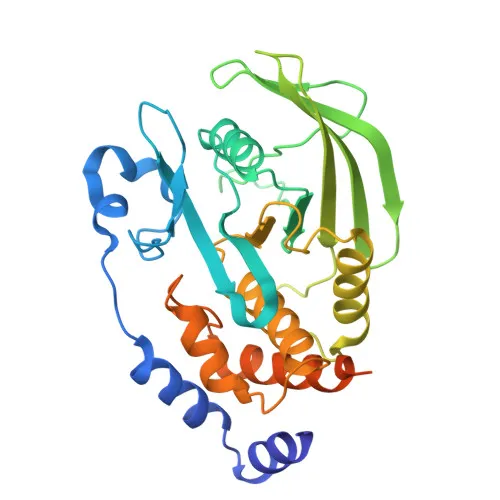
Polyclonal Antibodies
Anti-PTPN2 Rabbit Polyclonal Antibody for WB, IF/ICC, ELISA - P17706
Item Number : CM0019101
Price varies based on specs and customizations
- Application
- WB, IF/ICC, ELISA
- Cross Reactivity
- Human, Mouse, Rat
- Protein Weight
- 48kDa

Shipping:
Contact us to get shipping details Enjoy On-time Dispatch Guarantee.
Why Choose Us
Easy ordering process, quality products, and dedicated support for your business success.
Core Product Specifications and Parameters
| Parameter | Value |
|---|---|
| Product Name | PTPN2 Rabbit pAb |
| Remarks/Alias | PTN2; PTPT; TCPTP; TC-PTP; TCELLPTP; PTPN2 |
| Species | Human |
| Gene ID (Human) | 5771 |
| Immunogen | Recombinant fusion protein containing a sequence corresponding to amino acids 1-353 of human PTPN2 (NP_536348.1) |
| Source | Rabbit |
| Category | Polyclonal Antibodies |
| Application | WB, IF/ICC, ELISA |
| Cross Reactivity | Human, Mouse, Rat |
| SWISS | P17706 |
| Protein Weight | 48kDa |
| Shipping | Ice bag |
Biological Background: PTPN2 Function and Localization
- Tyrosine-protein phosphatase non-receptor type 2 (PTPN2), also known as T-cell protein-tyrosine phosphatase (TCPTP), is a non-receptor type tyrosine-specific phosphatase that dephosphorylates receptor and non-receptor protein tyrosine kinases, including INSR, EGFR, JAK1, JAK2, JAK3, and STAT family members, thereby negatively regulating multiple signaling pathways.
- Plays a critical role in immune system development and function, modulating T-cell receptor, interleukin-2, interferon, and other cytokine signaling cascades; genetic variants and dysregulation are implicated in autoimmune diseases and inflammation.
- Ubiquitously expressed, with isoform 1 primarily in T-cells and placenta, while isoform 2 is the major isoform found across many tissues, highlighting tissue-specific regulatory mechanisms.
- Localizes to the endoplasmic reticulum, endoplasmic reticulum-Golgi intermediate compartment, nucleus, cytoplasm, and cell membrane, enabling context-dependent access to diverse substrates and signaling nodes.
- Functions as a key metabolic regulator by dephosphorylating the insulin receptor (INSR) and controlling hepatic glucose production through the IL-6/STAT3 pathway, linking it to glucose homeostasis and type 2 diabetes.
- The catalytic phosphatase domain is essential for its hydrolase activity; post-translational modifications such as phosphorylation and S-nitrosylation modulate its enzymatic function and subcellular distribution.
- Possesses a C-terminal non-catalytic segment that may mediate protein-protein interactions and subcellular targeting, and it has been reported to bind DNA, suggesting additional nuclear roles beyond classical phosphatase activity.
- As a member of the protein tyrosine phosphatase family, it counteracts tyrosine kinase signaling and participates in the dephosphorylation of oncogenic targets like EGFR and Src, making it of interest in cancer research.
Experimental Guidance and Technical Tips
- The immunogen covers amino acids 1-353 of human PTPN2 (isoform 1), which includes the catalytic domain; confirm sequence identity between the immunogen and the target protein in your species of interest (human, mouse, rat) by aligning the accession NP_536348.1 or UniProt P17706 with the corresponding orthologs.
- For Western blot, use positive control lysates from human Jurkat T-cells, mouse spleen, or rat thymus, which express PTPN2; expect a band near 48 kDa (predicted molecular weight of isoform 2 is 48.5 kDa) with possible additional signals due to isoforms or post-translational modifications.
- In immunofluorescence/immunocytochemistry, permeabilize cells appropriately to detect nuclear and cytoplasmic pools; co-stain with organelle markers (e.g., ER-Tracker, Golgi markers) if studying trafficking dynamics.
- As a polyclonal antibody, it may recognize multiple epitopes; validate specificity using siRNA knockdown or PTPN2 knockout cell lines, and compare with expression patterns from public databases like Human Protein Atlas.
- For ELISA, optimize coating conditions and antibody concentration; use recombinant PTPN2 protein as a standard to ensure linear detection range.
CamelBio: Your One-Stop Sourcing Bridge
CamelBio is your specialized partner for diagnostic and research-grade raw materials, offering a comprehensive portfolio that includes this anti-PTPN2 polyclonal antibody, validated antibody pairs, bulk ancillary reagents, and rare target sourcing. Supporting the entire workflow from concept to clinic, we help researchers and manufacturers advance projects in immune signaling, oncology, and metabolic disease with reliable, supply-chain-ready solutions. Contact us to discuss procurement, customization, or technical consultation for your next development.
REQUEST A QUOTE
Our professional team will reply to you within one business day. Please feel free to contact us!