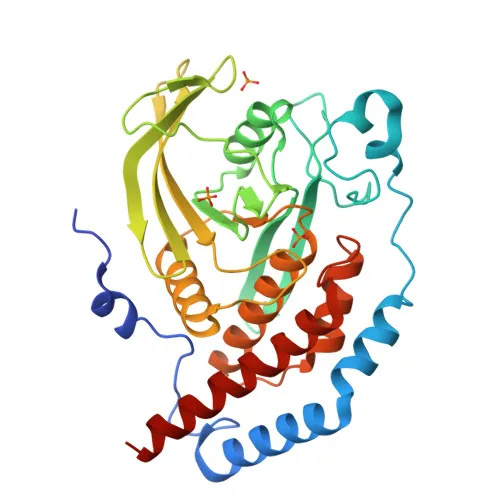
Polyclonal Antibodies
Anti-PTPN13 Polyclonal Antibody for WB, IF/ICC, ELISA - Q12923
Item Number : CM0016272
Price varies based on specs and customizations
- Application
- WB, IF/ICC, ELISA
- Cross Reactivity
- Human, Mouse, Rat
- Protein Weight
- 277kDa

Shipping:
Contact us to get shipping details Enjoy On-time Dispatch Guarantee.
Why Choose Us
Easy ordering process, quality products, and dedicated support for your business success.
Core Product Specifications and Parameters
| Parameter | Value |
|---|---|
| Product Name | PTPN13 Rabbit pAb |
| Remarks/Alias | PNP1; FAP-1; PTP1E; PTPL1; PTPLE; PTP-BL; hPTP1E; PTP-BAS; PTPN13 |
| Species | Human |
| GeneID (Human) | 5783 |
| GeneID | 5783 |
| Immunogen | Recombinant fusion protein containing a sequence corresponding to amino acids 250-500 of human PTPN13 (NP_542416.1) |
| Source | Rabbit |
| Category | Polyclonal Antibodies |
| Application | WB, IF/ICC, ELISA |
| Cross Reactivity | Human, Mouse, Rat |
| SWISS | Q12923 |
| Protein Weight | 277kDa |
| Shipping | Ice bag |
Biological Background: PTPN13 Function and Localization
- PTPN13 (Tyrosine-protein phosphatase non-receptor type 13) is a large multidomain protein tyrosine phosphatase containing a KIND domain, a FERM domain, five PDZ domains, and a C-terminal catalytic phosphatase domain. Multiple isoforms are produced by alternative splicing.
- It functions as a negative regulator of FAS-induced apoptosis and NGFR-mediated pro-apoptotic signaling by dephosphorylating key substrates. Related references: PMID:15611135
- PTPN13 may regulate phosphoinositide 3-kinase (PI3K) signaling through dephosphorylation of the p85β regulatory subunit (PIK3R2). Related references: PMID:23604317
- The protein localizes to multiple subcellular compartments including the cytoplasm, cytoskeleton, nucleus, and cell projections such as lamellipodia, consistent with its roles in signaling and cytoskeletal organization.
- PTPN13 is expressed in most tissues except liver and skeletal muscle, with highest abundance in lung, kidney, and fetal brain. It is also detected in keratinocytes. Related references: PMID:29043977
- Key post-translational modifications include phosphorylation at multiple sites, and it harbors several structural motifs such as coiled coil regions important for protein interactions.
Experimental Guidance and Technical Tips
- The immunogen (amino acids 250–500) resides in the N-terminal region upstream of the phosphatase domain, allowing detection of full-length and certain truncated isoforms. Verify isoform specificity in your experimental system.
- For Western blot, note the large predicted molecular weight (~277 kDa); use low-percentage gels and extended transfer times or wet transfer conditions for efficient blotting.
- In immunofluorescence/ICC, PTPN13’s association with the cytoskeleton and lamellipodia may inform cell type and fixation/permeabilization choices; consider methanol fixation to preserve cytoskeletal structures.
- Cross-reactivity with mouse and rat is indicated; validate reactivity in the relevant tissue or cell line using appropriate controls.
CamelBio: Your One-Stop Sourcing Bridge
CamelBio streamlines IVD raw material procurement by offering validated antibody pairs, optimized polyclonal and monoclonal antibodies, bulk ancillary reagents, and rare-target sourcing—all from concept to clinic. For apoptosis, phosphatase signaling, or cytoskeletal research, we can supply PTPN13 antibodies and related tools to accelerate your diagnostic development. Our integrated services and consulting ensure you receive reliable, high-quality materials tailored to your assay needs.
REQUEST A QUOTE
Our professional team will reply to you within one business day. Please feel free to contact us!