Polyclonal Antibodies
Anti-PTP1B (PTPN1) Polyclonal Antibody for WB, IF/ICC, ELISA - P18031
Item Number : CM0018856
Price varies based on specs and customizations
- Application
- WB, IF/ICC, ELISA
- Cross Reactivity
- Human, Mouse, Rat
- Protein Weight
- 50kDa

Shipping:
Contact us to get shipping details Enjoy On-time Dispatch Guarantee.
Why Choose Us
Easy ordering process, quality products, and dedicated support for your business success.
Core Product Specifications and Parameters
| Parameter | Value |
|---|---|
| Product Name | PTPN1 Rabbit pAb |
| Remarks/Alias | PTP1B; PTPN1 |
| Species | Human |
| GeneID (Human) | 5770 |
| GeneID | 5770 |
| Immunogen | Recombinant fusion protein containing a sequence corresponding to amino acids 281-435 of human PTPN1 (NP_002818.1). |
| Source | Rabbit |
| Category | Polyclonal Antibodies |
| Application | WB, IF/ICC, ELISA |
| Cross Reactivity | Human, Mouse, Rat |
| SWISS | P18031 |
| Protein Weight | 50kDa |
| Shipping | Ice bag |
Biological Background: PTPN1 Function and Localization
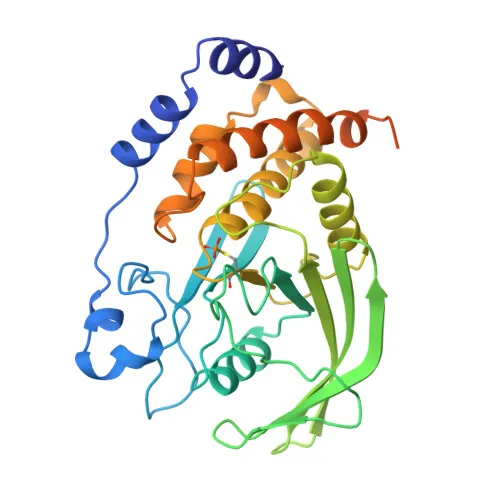
- PTPN1 encodes tyrosine-protein phosphatase non-receptor type 1, also known as protein-tyrosine phosphatase 1B (PTP-1B), a member of the protein tyrosine phosphatase family that dephosphorylates tyrosine residues in key signaling molecules.
- It functions as a regulator of the endoplasmic reticulum (ER) unfolded protein response by mediating dephosphorylation and inactivation of EIF2AK3/PERK, thereby modulating ER stress signaling.
- PTPN1 participates in signal transduction cascades downstream of CKII and p60c-src, potentially influencing cell growth and differentiation.
- The phosphatase regulates EFNA5-EPHA3 signaling, contributing to cell reorganization and cell-cell repulsion during development.
- It also modulates hepatocyte growth factor receptor (MET) signaling by dephosphorylating MET, which may affect cell migration and invasion.
- Subcellularly, PTPN1 is anchored to the cytoplasmic face of the endoplasmic reticulum membrane, positioning it to intercept activated receptors and kinases.
- Post-translational modifications reported for PTPN1 include acetylation, oxidation, phosphorylation, and S-nitrosylation, which may regulate its activity and localization.
Experimental Guidance and Technical Tips
- The immunogen covering amino acids 281-435 lies within the regulatory domain; consider using known regulatory site mutants or phosphorylation-mimics as controls to confirm specificity in your system.
- For Western blotting (WB), a band corresponding to ~50 kDa is expected; validate with lysates from human, mouse, or rat cells/tissues that express PTPN1.
- In immunofluorescence/immunocytochemistry (IF/ICC), anticipate endoplasmic reticulum-associated staining; co-localization with an ER marker may help confirm target localization.
- For ELISA applications, pairing with a capture/detection antibody raised against a distinct epitope of PTPN1 is recommended; test multiple dilution ranges to establish optimal signal-to-noise.
CamelBio: Your One-Stop Sourcing Bridge
CamelBio serves as a comprehensive one-stop sourcing partner for IVD raw materials, supporting your entire project from discovery to commercialization. This anti-PTPN1 antibody is part of our extensive portfolio tailored for research in cell signaling, cancer biology, and metabolic disorders. Beyond single antibodies, we offer validated antibody pairs, optimized polyclonal and monoclonal reagents, bulk ancillary reagents, and rare-target custom sourcing to accelerate your diagnostic assay development.
Product Datasheet
Anti-PTP1B (PTPN1) Polyclonal Antibody for WB, IF/ICC, ELISA - P18031
REQUEST A QUOTE
Our professional team will reply to you within one business day. Please feel free to contact us!