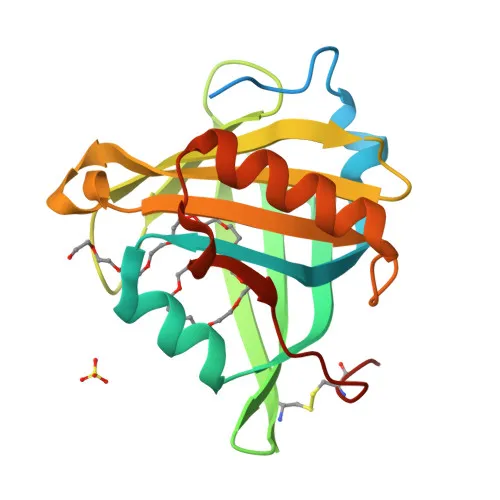
Polyclonal Antibodies
Anti-PTGDS Polyclonal Antibody for WB, IF/ICC, ELISA - P41222
Item Number : CM0021596
Price varies based on specs and customizations
- Application
- WB, IF/ICC, ELISA
- Cross Reactivity
- Human, Mouse, Rat
- Protein Weight
- 21kDa

Shipping:
Contact us to get shipping details Enjoy On-time Dispatch Guarantee.
Why Choose Us
Easy ordering process, quality products, and dedicated support for your business success.
Core Product Specifications and Parameters
| Parameter | Value |
|---|---|
| Product Name | PTGDS Rabbit pAb |
| Remarks/Alias | PDS; PGD2; PGDS; LPGDS; PGDS2; L-PGDS; PTGDS |
| Species | Human |
| GeneID (Human) | 5730 |
| GeneID | 5730 |
| Immunogen | Recombinant fusion protein containing a sequence corresponding to amino acids 23-190 of human PTGDS (NP_000945.3) |
| Source | Rabbit |
| Category | Polyclonal Antibodies |
| Application | WB, IF/ICC, ELISA |
| Cross Reactivity | Human, Mouse, Rat |
| SWISS | P41222 |
| Protein Weight | 21kDa |
| Shipping | Ice bag |
Biological Background: PTGDS Function and Localization
- PTGDS catalyzes the conversion of prostaglandin H2 (PGH2) to prostaglandin D2 (PGD2), a mediator involved in smooth muscle contraction/relaxation and a potent inhibitor of platelet aggregation. Related references: PMID:20667974
- Beyond its enzymatic role, PTGDS is involved in various CNS functions such as sedation, NREM sleep, and PGE2-induced allodynia, and may have an anti-apoptotic role in oligodendrocytes.
- It acts as a scavenger for harmful hydrophobic molecules and a secretory transporter by binding small lipophilic molecules like biliverdin, bilirubin, retinal, retinoic acid, and thyroid hormone. Related references: PMID:20667974 PMID:9475419
- PTGDS likely contributes to the development and maintenance of barriers, including the blood-brain, blood-retina, blood-aqueous humor, and blood-testis barriers.
- This protein is abundant in the brain and CNS, particularly in tissues of the blood-brain barrier, and is secreted into cerebrospinal fluid. It is also highly expressed in the heart, male reproductive system (testis, epididymis, prostate), and eye.
- Subcellularly, PTGDS localizes to the rough endoplasmic reticulum, nuclear membrane, Golgi apparatus, cytoplasm (perinuclear region), and is secreted.
- Key features include its role in fatty acid and prostaglandin metabolism, its glycoprotein nature with disulfide bonds, and its involvement in mast cell degranulation.
Experimental Guidance and Technical Tips
- For Western blotting, consider using a 12–15% SDS-PAGE gel to effectively resolve the 21 kDa PTGDS protein.
- In immunofluorescence or immunocytochemistry, ensure a permeabilization step to detect intracellular pools; note that secreted PTGDS may require Brefeldin A treatment to accumulate intracellularly.
- Validate the antibody in positive control samples known to express PTGDS, such as brain or testis tissue lysates.
- The reported cross-reactivity with mouse and rat suggests compatibility with rodent models, but titration and optimization are advised for each species.
CamelBio: Your One-Stop Sourcing Bridge
CamelBio serves as a one-stop sourcing partner for IVD raw materials, providing access to validated antibody pairs, optimized polyclonal and monoclonal antibodies, and bulk ancillary reagents. Researchers focusing on prostaglandin metabolism, CNS biology, or reproductive science can rely on CamelBio for consistent supply of PTGDS-targeting reagents and support for rare-target raw-material procurement. Let CamelBio streamline your diagnostic and research material sourcing from concept to clinic.
REQUEST A QUOTE
Our professional team will reply to you within one business day. Please feel free to contact us!