Monoclonal Antibodies
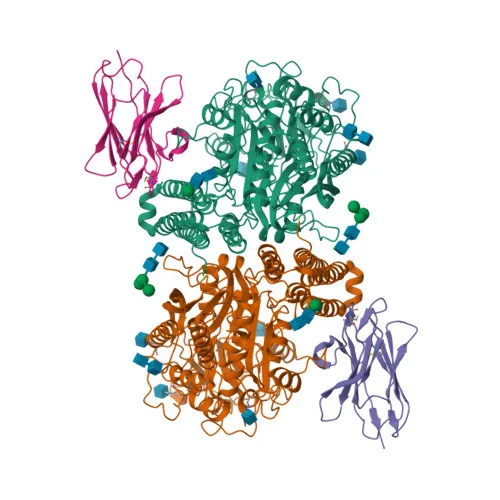
Anti-PSMA/FOLH1 Rabbit PolymAb® for WB, IHC-P, ELISA - Q04609
Item Number : CM0011808
Price varies based on specs and customizations
- Application
- WB, IHC-P, ELISA
- Cross Reactivity
- Human, Mouse, Rat
- Protein Weight
- 84kDa

Shipping:
Contact us to get shipping details Enjoy On-time Dispatch Guarantee.
Why Choose Us
Easy ordering process, quality products, and dedicated support for your business success.
Core Product Specifications and Parameters
| Parameter | Value |
|---|---|
| Product Name | PSMA/FOLH1 Rabbit PolymAb® |
| Remarks/Alias | PSM; FGCP; FOLH; GCP2; PSMA; mGCP; GCPII; NAALAD1 |
| Species | Human |
| GeneID (Human) | 2346 |
| GeneID | 2346 |
| Immunogen | Synthetic peptide corresponding to amino acids 50-150 of human PSMA/FOLH1 (NP_004467.1) |
| Source | Rabbit |
| Category | Monoclonal Antibodies |
| Application | WB, IHC-P, ELISA |
| Cross Reactivity | Human, Mouse, Rat |
| SWISS | Q04609 |
| Protein Weight | 84kDa |
| Shipping | Ice bag |
Biological Background: PSMA/FOLH1 Function and Localization
- PSMA, also known as Glutamate carboxypeptidase 2 (GCPII), NAALADase I, and folate hydrolase 1, is encoded by the FOLH1 gene.
- It exhibits both folate hydrolase and N-acetylated-alpha-linked-acidic dipeptidase (NAALADase) activity, preferentially cleaving tri-alpha-glutamate peptides. In the intestine, it is required for folate uptake; in the brain, it modulates excitatory neurotransmission by hydrolyzing NAAG to release glutamate. PSMA is also involved in prostate tumor progression.
- Additionally, PSMA displays dipeptidyl-peptidase IV type activity, cleaving substrates such as Gly-Pro-AMC in vitro.
- The protein localizes to the cell membrane and cytoplasm.
- Multiple isoforms exist due to alternative splicing: PSMA' is predominant in normal prostate, PSMA-1 in primary prostate tumors, and PSMA-9 is specifically expressed in prostate cancer.
- PSMA is highly expressed in prostate epithelium and detected in various tissues including kidney, brain, small intestine, and colon. In the brain, it is highly expressed in the ventral striatum and brain stem.
- Key features include glycosylation, phosphorylation, and zinc-binding regions, classifying it as a metalloprotease.
- The predicted molecular weight is approximately 84 kDa (84331 Da).
Experimental Guidance and Technical Tips
- The immunogen is a synthetic peptide from the extracellular domain (aa 50–150), ensuring specificity for native PSMA.
- For Western blotting, anticipate a band around 84 kDa; validate with appropriate positive controls, such as prostate cancer cell lines (e.g., LNCaP).
- For immunohistochemistry (IHC-P), consider antigen retrieval optimization and test on both normal and tumor prostate tissues to confirm staining patterns.
- In ELISA applications, use recombinant PSMA as a standard to establish assay sensitivity and specificity.
- Verify cross-reactivity in mouse and rat samples, as reactivity is confirmed but may require species-specific protocol adjustments.
CamelBio: Your One-Stop Sourcing Bridge
CamelBio supports diagnostic manufacturers and research laboratories by providing one-stop access to IVD raw materials, including validated antibody pairs, optimized monoclonal antibodies like this anti-PSMA Rabbit PolymAb®, and bulk ancillary reagents. For projects targeting PSMA in prostate cancer diagnostics, CamelBio offers reliable sourcing of rare targets and technical consulting to streamline your development from concept to clinic.
REQUEST A QUOTE
Our professional team will reply to you within one business day. Please feel free to contact us!