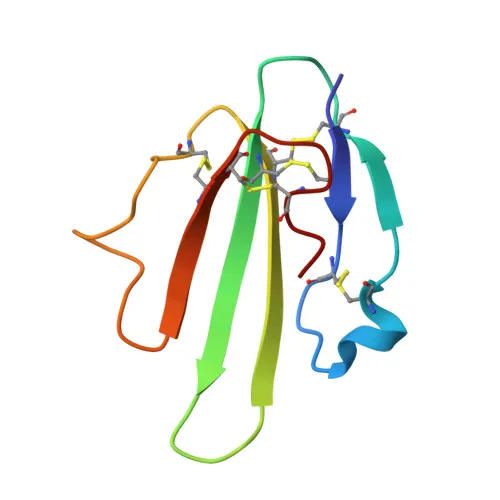
Polyclonal Antibodies
Anti-PSCA Rabbit Polyclonal Antibody for WB and ELISA - O43653
Item Number : CM0029011
Price varies based on specs and customizations
- Application
- WB, ELISA
- Cross Reactivity
- Human
- Protein Weight
- 12kDa

Shipping:
Contact us to get shipping details Enjoy On-time Dispatch Guarantee.
Why Choose Us
Easy ordering process, quality products, and dedicated support for your business success.
Core Product Specifications and Parameters
| Parameter | Value |
|---|---|
| Product Name | PSCA Rabbit pAb |
| Remarks/Alias | PRO232; lncPSCA; PSCA |
| Species | Human |
| GeneID (Human) | 8000 |
| GeneID | 8000 |
| Immunogen | Recombinant protein |
| Source | Rabbit |
| Category | Polyclonal Antibodies |
| Application | WB, ELISA |
| Cross Reactivity | Human |
| SWISS | O43653 |
| Protein Weight | 12kDa |
| Shipping | Ice bag |
Biological Background: PSCA Function and Localization
- Prostate stem cell antigen (PSCA) is a cell surface protein belonging to the Thy-1/Ly-6 family, anchored to the membrane via a glycosylphosphatidylinositol (GPI) linkage.
- May be involved in the regulation of cell proliferation, with demonstrated cell-proliferation inhibition activity in vitro.
- May act as a modulator of nicotinic acetylcholine receptors (nAChRs) activity; in vitro, it inhibits nicotine-induced signaling, likely involving alpha-3:beta-2- or alpha-7-containing nAChRs.
- Subcellular localization is primarily at the cell membrane, consistent with its GPI-anchor and receptor-modulating functions.
- Highly expressed in prostate (basal, secretory, and neuroendocrine epithelium), with additional expression in bladder, placenta, stomach, colon, and kidney; overexpression is observed in prostate cancers and bone metastases, correlating with tumor stage and grade.
- Also detected in gastric epithelial cells (isthmus) and brain cortex, with significantly increased expression in the frontal cortex of Alzheimer disease patients.
- Post-translational modifications include a signal peptide, disulfide bonds, N-linked glycosylation, and the GPI-anchor, all critical for its membrane attachment and function.
Experimental Guidance and Technical Tips
- The immunogen corresponds to amino acids 12–114 of human PSCA, which covers the extracellular domain and is expected to generate antibodies recognizing the native and denatured protein.
- For Western blot, consider using reducing and non-reducing conditions, as the protein contains disulfide bonds that may affect migration; the predicted molecular weight of the mature protein is ~12 kDa, but glycosylation may lead to a higher apparent molecular weight.
- In ELISA, the polyclonal nature may provide strong signal amplification, but validate specificity in the relevant sample system, especially considering the GPI-anchored conformation.
- Given the tissue-specific expression, include appropriate positive (e.g., prostate, bladder) and negative controls to confirm detection.
CamelBio: Your One-Stop Sourcing Bridge
CamelBio serves diagnostic manufacturers, labs, and research institutes with one-stop access to IVD raw materials, from concept to clinic. This anti-PSCA polyclonal antibody is well-suited for cancer and Alzheimer’s disease research, and we can further supply validated antibody pairs, bulk ancillary reagents, or assist with rare target sourcing. Let CamelBio be your reliable partner in accelerating assay development.
REQUEST A QUOTE
Our professional team will reply to you within one business day. Please feel free to contact us!