Polyclonal Antibodies
Anti-PSAP (Prosaposin) Rabbit Polyclonal Antibody for WB, IHC-P, IF/ICC, ELISA - P07602
Item Number : CM0022592
Price varies based on specs and customizations
- Application
- WB, IHC-P, IF/ICC, ELISA
- Cross Reactivity
- Human, Mouse, Rat
- Protein Weight
- 58kDa

Shipping:
Contact us to get shipping details Enjoy On-time Dispatch Guarantee.
Why Choose Us
Easy ordering process, quality products, and dedicated support for your business success.
Core Product Specifications and Parameters
| Parameter | Value |
|---|---|
| Product Name | PSAP Rabbit pAb |
| Remarks/Alias | GLBA; SAP1; SAP2; PSAPD; PARK24; PSAP |
| Species | Human |
| GeneID (Human) | 5660 |
| GeneID | 5660 |
| Immunogen | Recombinant protein corresponding to amino acids 275-524 of human PSAP (NP_002769.1) |
| Source | Rabbit |
| Category | Polyclonal Antibodies |
| Application | WB, IHC-P, IF/ICC, ELISA |
| Cross Reactivity | Human, Mouse, Rat |
| SWISS | P07602 |
| Protein Weight | 58kDa |
| Shipping | Ice bag |
Biological Background: PSAP (Prosaposin) Function and Localization
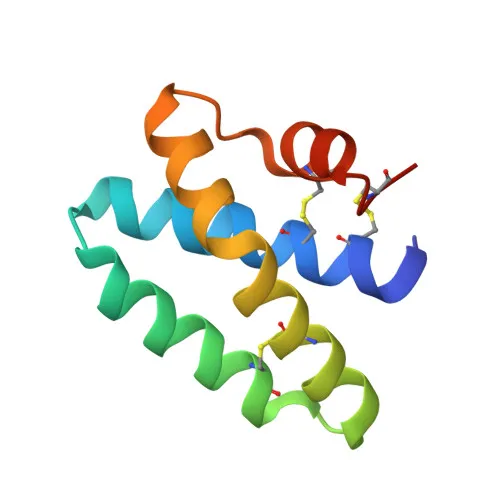
- Prosaposin (PSAP) is a 524-amino acid precursor glycoprotein that is proteolytically processed in lysosomes to generate four homologous saposin peptides (saposin A, B, C, and D), which serve as essential non-enzymatic activator proteins for sphingolipid hydrolases.
- Saposins facilitate the breakdown of glycosphingolipids by extracting lipid substrates from membrane bilayers and presenting them to their cognate enzymes; saposin B activates arylsulfatase A, beta-galactosidase, and alpha-galactosidase A, while saposin C activates glucocerebrosidase and saposin D activates acid ceramidase.
- Beyond its lysosomal cofactor role, full-length prosaposin exhibits neurotrophic and myelinotrophic functions by signaling through the G protein-coupled receptors GPR37 and GPR37L1, promoting neuronal survival and myelination.
- PSAP is broadly expressed, with high levels in the brain, kidney, and liver, and localizes primarily to the lysosomal lumen; it is also secreted and detected in extracellular fluids including cerebrospinal fluid and milk.
- Mutations in PSAP are associated with various lysosomal storage diseases, including Gaucher disease, metachromatic leukodystrophy, and Krabbe disease, as well as complex forms with combined saposin deficiencies; polymorphisms have also been linked to Parkinson disease risk.
- The protein contains multiple intrachain disulfide bonds and N-linked glycosylation sites that are critical for its stability, processing, and functional activation. The canonical prosaposin precursor has a calculated molecular mass of 58.1 kDa; extensive glycosylation often results in bands at 65–70 kDa on SDS-PAGE.
Experimental Guidance and Technical Tips
- The immunogen corresponds to residues 275–524 of human PSAP, covering the saposin C and D domains and the C-terminal linker; the resulting polyclonal antibody is expected to detect both the full-length precursor and possibly processed saposin C/D fragments.
- For Western blot, standard SDS-PAGE under reducing conditions is recommended; a predominant band at ~58 kDa is commonly observed in lysates from human, mouse, and rat tissues, representing the prosaposin precursor. Additional lower bands may arise from proteolytic processing.
- When performing immunofluorescence, permeabilization is required to access the lysosomal localization; co-staining with a lysosomal marker (e.g., LAMP1) is advised for colocalization studies.
- For immunohistochemistry on paraffin-embedded sections, antigen retrieval with citrate buffer (pH 6.0) often improves signal; positive control tissues include brain (cerebellum, hippocampus) and kidney.
- This antibody can be used in ELISA as a capture or detection reagent when paired with a suitable anti-PSAP monoclonal antibody; optimal dilutions and assay conditions must be empirically determined.
CamelBio: Your One-Stop Sourcing Bridge
CamelBio serves as an integrated supply partner for IVD manufacturers, offering a comprehensive range of raw materials including validated antibodies like this anti-PSAP polyclonal antibody, matched antibody pairs, bulk ancillary reagents, and custom antigen production services. Whether you are developing immunoassays for lysosomal storage disorders or need specialty reagents for neurodegenerative disease research, CamelBio streamlines your procurement from early feasibility to commercial lot production.
Product Datasheet
Anti-PSAP (Prosaposin) Rabbit Polyclonal Antibody for WB, IHC-P, IF/ICC, ELISA - P07602
REQUEST A QUOTE
Our professional team will reply to you within one business day. Please feel free to contact us!