Monoclonal Antibodies
Anti-PROX1 Rabbit Monoclonal Antibody for WB, IHC-P, ELISA - Q92786
Item Number : CM0009640
Price varies based on specs and customizations
- Application
- WB, IHC-P, ELISA
- Cross Reactivity
- Human, Mouse, Rat
- Protein Weight
- 83kDa

Shipping:
Contact us to get shipping details Enjoy On-time Dispatch Guarantee.
Why Choose Us
Easy ordering process, quality products, and dedicated support for your business success.
Core Product Specifications and Parameters
| Parameter | Value |
|---|---|
| Product Name | PROX1 Rabbit mAb |
| Remarks/Alias | PROX1; prospero homeobox 1 |
| Species | Human |
| GeneID (Human) | 5629 |
| GeneID | 5629 |
| Immunogen | Synthetic Peptide |
| Source | Rabbit |
| Category | Monoclonal Antibodies |
| Application | WB, IHC-P, ELISA |
| Cross Reactivity | Human, Mouse, Rat |
| SWISS | Q92786 |
| Protein Weight | 83kDa |
| Shipping | Ice bag |
Biological Background: PROX1 Function and Localization
- Prospero homeobox protein 1 (PROX1), also known as Homeobox prospero-like protein PROX1 (PROX-1), is a transcription factor encoded by the PROX1 gene.
- It plays a critical role in embryonic development, functioning as a key regulatory protein in neurogenesis and the development of the heart, eye lens, liver, pancreas, and lymphatic system.
- PROX1 represses transcription of the retinoid-related orphan receptor RORG, as well as the transcriptional activator activity of RORA and RORG, leading to downregulation of target genes including core clock components BMAL1, NPAS2, and CRY1, and metabolic genes AVPR1A and ELOVL3.
- The protein is localized to the nucleus and contains a homeobox DNA-binding domain characteristic of developmental transcription factors.
- PROX1 is most actively expressed in the developing lens and is also detected in embryonic brain, lung, liver, and kidney; in adults, it is more abundant in heart and liver than in other tissues.
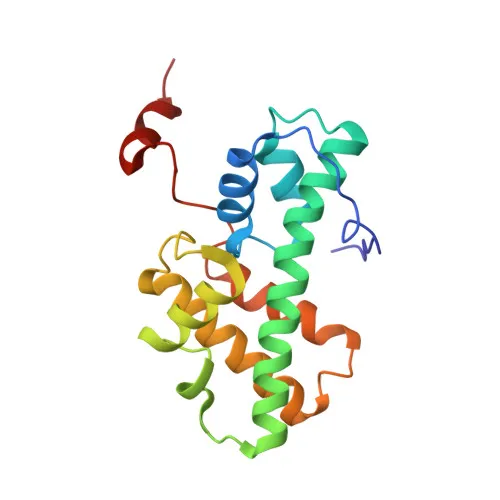
- Post-translational modifications include phosphorylation, isopeptide bond formation, and ubiquitination (Ubl conjugation), as indicated by proteomics data and 3D structural studies.
- Keywords: 3D-structure, Biological rhythms, Developmental protein, DNA-binding, Homeobox, Isopeptide bond, Nucleus, Phosphoprotein, Proteomics identification, Reference proteome, Repressor, Transcription, Transcription regulation, Ubl conjugation.
Experimental Guidance and Technical Tips
- The immunogen consists of a synthetic peptide; validate detection of endogenous target in the relevant sample system to confirm specificity.
- For Western blotting, expect a band near 83 kDa; consider using appropriate loading controls and optimize reducing conditions.
- For immunohistochemistry (paraffin), optimize antigen retrieval methods and primary antibody dilution to reduce background.
- In ELISA, titrate the antibody and validate coating buffers to achieve optimal signal-to-noise ratio.
- Known cross-reactivity with human, mouse, and rat allows use across common model organisms; verify performance in the chosen species.
CamelBio: Your One-Stop Sourcing Bridge
CamelBio serves as a comprehensive IVD raw-material sourcing partner, offering validated antibody pairs, monoclonal and polyclonal antibodies, and bulk ancillary reagents to diagnostic manufacturers and research labs. The PROX1 Rabbit mAb supports studies in developmental biology and circadian rhythm research, with access to rare target raw-material procurement. Contact us for tailored sourcing solutions from concept to clinic.
REQUEST A QUOTE
Our professional team will reply to you within one business day. Please feel free to contact us!