Polyclonal Antibodies
Anti-Proteinase 3/PR3 Rabbit Polyclonal Antibody for WB, ELISA - P24158
Item Number : CM0022528
Price varies based on specs and customizations
- Application
- WB, ELISA
- Cross Reactivity
- Rat
- Protein Weight
- 28kDa

Shipping:
Contact us to get shipping details Enjoy On-time Dispatch Guarantee.
Why Choose Us
Easy ordering process, quality products, and dedicated support for your business success.
Core Product Specifications and Parameters
| Parameter | Value |
|---|---|
| Product Name | Proteinase 3/PR3 Rabbit pAb |
| Remarks/Alias | MBN; MBT; NP4; P29; PR3; ACPA; AGP7; NP-4; PR-3; CANCA; C-ANCA; Proteinase 3/PR3 |
| Species | Human |
| Gene ID (Human) | 5657 |
| Gene ID | 5657 |
| Immunogen | Recombinant protein |
| Source | Rabbit |
| Category | Polyclonal Antibodies |
| Application | WB, ELISA |
| Cross Reactivity | Rat |
| SWISS | P24158 |
| Protein Weight | 28kDa |
| Shipping | Ice bag |
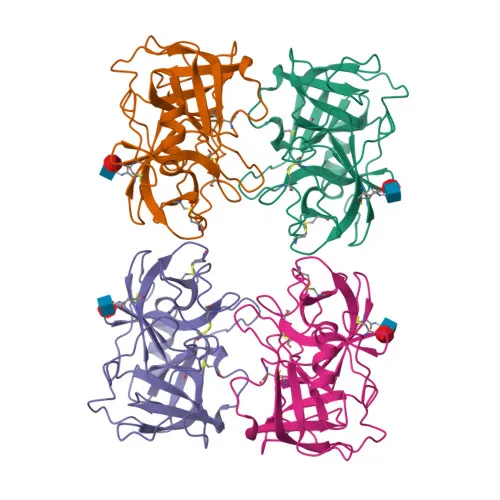
Biological Background: Myeloblastin/Proteinase 3 (PR3) Function and Localization
- Encoded by the PRTN3 gene, Myeloblastin (Proteinase 3/PR3) is a 29 kDa serine protease stored in azurophilic granules of neutrophils and also known as Wegener autoantigen (C-ANCA).
- PR3 degrades elastin, fibronectin, laminin, vitronectin, and collagens (types I, III, and IV) in vitro, contributing to tissue remodeling and inflammation. Related references: PMID:2033050 PMID:28240246 PMID:3198760
- By cleaving and activating protease-activated receptor 2 (PAR-2/F2RL1), PR3 enhances endothelial barrier function, thereby maintaining vascular integrity during neutrophil transendothelial migration. Related references: PMID:23202369
- In complex with CD177, PR3 facilitates neutrophil transendothelial migration, a key step in innate immune responses. Related references: PMID:22266279
- PR3 triggers inflammatory signaling in neutrophils by interacting with adhesion G protein-coupled receptor G3 (ADGRG3) upstream of PAR-2 activation. Related references: PMID:36302784
- Subcellularly, PR3 localizes to cytoplasmic granules, is secreted upon neutrophil activation, and can associate with the cell membrane in membrane rafts.
- PR3 is predominantly expressed in polymorphonuclear leukocytes and neutrophils, with upregulation during neutrophil differentiation.
- PR3 contains disulfide bonds and is glycosylated; it is synthesized as a zymogen and activated by proteolytic cleavage.
Experimental Guidance and Technical Tips
- The immunogen consists of a recombinant fusion protein covering amino acids 28-170 of human PR3, a region likely spanning the mature enzyme. For WB analysis, consider using reducing conditions and expect a specific band near 28 kDa.
- For ELISA applications, this polyclonal antibody may be suitable as either capture or detection reagent; perform appropriate titration and validation in your specific sample system.
- As a polyclonal antibody, lot-to-lot variability may occur; we recommend validating specificity using appropriate controls, such as PR3-expressing and knockout cell lines.
- Cross-reactivity with rat PR3 is indicated; verify sequence homology and performance in rat-derived samples if needed.
CamelBio: Your One-Stop Sourcing Bridge
CamelBio provides diagnostic manufacturers and research institutions with streamlined access to high-quality IVD raw materials, including validated monoclonal/polyclonal antibodies and bulk ancillary reagents. This anti-PR3 polyclonal antibody is part of our expanded portfolio for autoimmune and inflammation-related target detection. We also offer one-to-one technical consultation and rare target sourcing to support your entire development pipeline.
REQUEST A QUOTE
Our professional team will reply to you within one business day. Please feel free to contact us!