Polyclonal Antibodies
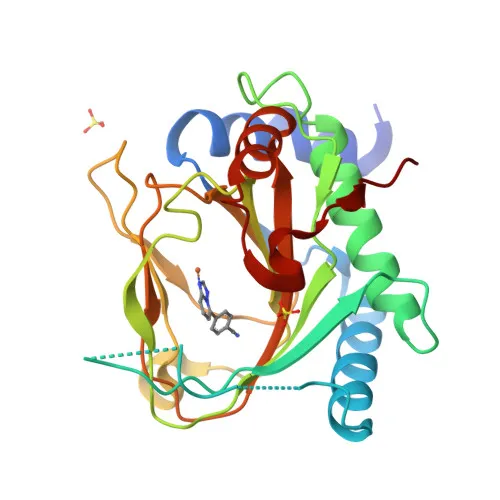
Anti-Prolyl Hydroxylase PHD1 (EGLN2) Polyclonal Antibody for WB, IP, ELISA - Q96KS0
Item Number : CM0024454
Price varies based on specs and customizations
- Application
- WB, IP, ELISA
- Cross Reactivity
- Human, Mouse, Rat
- Protein Weight
- 44kDa

Shipping:
Contact us to get shipping details Enjoy On-time Dispatch Guarantee.
Why Choose Us
Easy ordering process, quality products, and dedicated support for your business success.
Core Product Specifications and Parameters
| Parameter | Value |
|---|---|
| Product Name | Prolyl hydroxylase PHD1 (EGLN2) Rabbit pAb |
| Remarks/Alias | EIT6; PHD1; EIT-6; HPH-1; HPH-3; HIFPH1; HIF-PH1 |
| Species | Human |
| GeneID | 112398 |
| Immunogen | Synthetic peptide corresponding to a sequence within amino acids 200-300 of human Prolyl hydroxylase PHD1 (EGLN2) (NP_444274.1) |
| Source | Rabbit |
| Category | Polyclonal Antibodies |
| Application | WB, IP, ELISA |
| Cross Reactivity | Human, Mouse, Rat |
| SWISS | Q96KS0 |
| Protein Weight | 44kDa |
| Shipping | Ice bag |
Biological Background: Prolyl Hydroxylase EGLN2 (PHD1) Function and Localization
- EGLN2 (also designated PHD1, HIF-PH1, HPH-3, Estrogen-induced tag 6) is a member of the EglN family of prolyl hydroxylases.
- Functions as a cellular oxygen sensor that, under normoxic conditions, hydroxylates specific proline residues in HIF1A and HIF2A, targeting them for proteasomal degradation via the VHL ubiquitination complex; under hypoxia, hydroxylation is attenuated, allowing HIFs to escape degradation, translocate to the nucleus, and induce expression of hypoxic genes. This pathway regulates hypoxia tolerance and apoptosis in cardiac and skeletal muscle and susceptibility to normoxic oxidative neuronal death. Related references: PMID:11595184, PMID:12039559, PMID:15925519, PMID:12181324
- Also hydroxylates non-HIF substrates, including CEP192 (centrosome component linking oxygen sensing to cell cycle and primary cilia formation), IKBKB (activating NF-kappa-B in hypoxia), and ATF4 (regulating protein stability). Related references: PMID:23932902, PMID:17114296
- Localizes predominantly to the nucleus.
- Widely expressed in adult and fetal tissues, with highest levels in brain, placenta, lung, kidney, and testis; also present in hormone-responsive epithelia of mammary, ovarian, and prostate origin.
- Belongs to the iron- and 2-oxoglutarate-dependent dioxygenase superfamily and requires molecular oxygen, Fe2+, and ascorbate (vitamin C) for enzymatic activity.
- Post-translational regulation involves phosphorylation and ubiquitination.
Experimental Guidance and Technical Tips
- The immunogen is a synthetic peptide spanning residues 200–300 of human EGLN2. The resulting polyclonal antibody may preferentially recognize the linearized or denatured form of the protein and is well-suited for Western blotting (WB).
- For immunoprecipitation (IP), verify that the target is accessible in the native conformation under your experimental conditions; include appropriate positive and negative controls.
- In ELISA applications, confirm specificity by comparing signals from recombinant target protein and irrelevant controls.
- Given the high sequence conservation between human, mouse, and rat EGLN2, cross-reactivity is expected; nevertheless, validate reactivity in your specific sample systems.
- The observed molecular weight of EGLN2 is approximately 44 kDa; always use appropriate molecular weight markers and confirm band identity with a suitable loading control.
CamelBio: Your One-Stop Sourcing Bridge
CamelBio provides diagnostic manufacturers, contract research organizations, and academic laboratories with a streamlined, one-stop channel for IVD raw materials, technical services, and consulting—from early R&D through clinical application. Our portfolio combines rigorously selected monoclonal and polyclonal antibodies, optimized antibody pairs, and bulk ancillary reagents to accelerate your hypoxia and cancer biomarker programs. For this target, we supply a high-quality anti-Prolyl hydroxylase EGLN2 (PHD1) rabbit polyclonal antibody, and we can also assist with rare-target sourcing, custom immunogen design, and scale-up production to meet your specific project requirements.
REQUEST A QUOTE
Our professional team will reply to you within one business day. Please feel free to contact us!