Monoclonal Antibodies
Anti-Prolyl hydroxylase PHD1 (EGLN2) Monoclonal Antibody for WB - Q96KS0
Item Number : CM0009688
Price varies based on specs and customizations
- Application
- WB, ELISA
- Cross Reactivity
- Human, Mouse, Rat
- Protein Weight
- 44kDa

Shipping:
Contact us to get shipping details Enjoy On-time Dispatch Guarantee.
Why Choose Us
Easy ordering process, quality products, and dedicated support for your business success.
Core Product Specifications and Parameters
| Parameter | Value |
|---|---|
| Product Name | Prolyl hydroxylase PHD1 (EGLN2) Rabbit mAb |
| Remarks/Alias | EIT6; PHD1; EIT-6; HPH-1; HPH-3; HIFPH1; HIF-PH1; Prolyl hydroxylase PHD1 (EGLN2) |
| Species | Human |
| Gene ID (Human) | 112398 |
| Gene ID | 112398 |
| Immunogen | A synthetic peptide corresponding to a sequence within amino acids 1-100 of human Prolyl hydroxylase PHD1 (EGLN2) (Q96KS0) |
| Source | Rabbit |
| Category | Monoclonal Antibodies |
| Application | WB, ELISA |
| Cross Reactivity | Human, Mouse, Rat |
| SWISS | Q96KS0 |
| Protein Weight | 44kDa |
| Shipping | Ice bag |
Biological Background: Prolyl hydroxylase PHD1 (EGLN2) Function and Localization
-
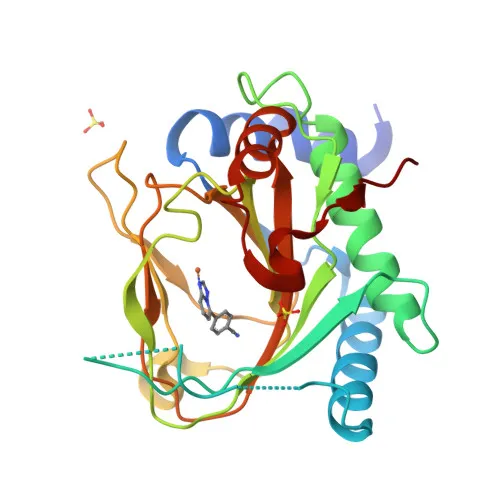
Prolyl hydroxylase EGLN2 (also known as PHD1, HIF-PH1, and EIT6) functions as a cellular oxygen sensor that catalyzes the hydroxylation of proline residues in hypoxia-inducible factor alpha (HIF-α) subunits, preferentially recognizing the LXXLAP motif. Related references: PMID:11595184 PMID:12039559 PMID:15925519
-
Under normoxic conditions, EGLN2 hydroxylates specific prolines in the oxygen-dependent degradation domains of HIF1A and HIF2A, thereby targeting them for VHL-mediated ubiquitination and proteasomal degradation, while hypoxia attenuates this reaction, stabilizing HIF-α and promoting hypoxic gene expression. Related references: PMID:11595184 PMID:12039559 PMID:12181324 PMID:15925519
-
Beyond HIF regulation, EGLN2 hydroxylates other substrates: CEP192, linking oxygen sensing to centrosome dynamics and primary cilia formation; IKBKB, mediating NF-κB activation in hypoxia; and ATF4, reducing its protein stability (ATF4 hydroxylation by similarity). Related references: PMID:23932902 PMID:17114296
-
EGLN2 localizes predominantly to the nucleus, consistent with its role in modulating transcription factors and nuclear signaling events.
-
Tissue expression is broad, with highest levels in adult brain, placenta, lung, kidney, and testis; it is also present in heart, liver, skeletal muscle, and hormone-responsive tissues such as mammary and ovarian epithelium.
-
Post-translational modifications include phosphorylation and ubiquitination, and the protein requires iron and vitamin C as cofactors for its dioxygenase activity; alternative initiation generates isoforms.
Experimental Guidance and Technical Tips
- The antibody was generated using a synthetic peptide spanning the N-terminal amino acids 1–100 of human EGLN2; it may recognize both full-length protein and N-terminal variants. Consider sequence alignment if cross-reactivity with other species or isoforms is critical.
- For Western blot, a band at approximately 44 kDa is expected; validate detection in your specific sample type using appropriate positive and negative controls.
- The antibody is validated for ELISA and cross-reacts with human, mouse, and rat samples, facilitating translational studies; optimization of coating conditions and detection systems is recommended.
- Since EGLN2 expression is oxygen-sensitive, consider performing experiments under normoxic and hypoxic conditions to observe hypoxia-induced changes, using reagents to stabilize HIF-α if necessary.
CamelBio: Your One-Stop Sourcing Bridge
CamelBio provides diagnostic manufacturers, research laboratories, and academic institutes with one-stop access to IVD raw materials, technical services, and consulting, covering every stage from concept to clinic. For hypoxia signaling and oxygen sensing studies, we supply validated antibody pairs, optimized monoclonal/polyclonal antibodies like this anti-EGLN2 rabbit mAb, and bulk ancillary reagents. Our team is dedicated to sourcing rare-target raw materials and supporting assay development for life science and diagnostic applications.
Product Datasheet
Anti-Prolyl hydroxylase PHD1 (EGLN2) Monoclonal Antibody for WB - Q96KS0
REQUEST A QUOTE
Our professional team will reply to you within one business day. Please feel free to contact us!