Polyclonal Antibodies
Anti-Prohibitin Rabbit Polyclonal Antibody for WB, IHC-P, ELISA - P35232
Item Number : CM0013003
Price varies based on specs and customizations
- Application
- WB, IHC-P, ELISA
- Cross Reactivity
- Human, Mouse, Rat, Monkey
- Protein Weight
- 30kDa

Shipping:
Contact us to get shipping details Enjoy On-time Dispatch Guarantee.
Why Choose Us
Easy ordering process, quality products, and dedicated support for your business success.
Core Product Specifications and Parameters
| Parameter | Value |
|---|---|
| Product Name | Prohibitin Rabbit pAb |
| Remarks/Alias | PHB; HEL-215; HEL-S-54e; Prohibitin |
| Species | Human |
| Gene ID (Human) | 5245 |
| Gene ID | 5245 |
| Immunogen | Recombinant fusion protein containing a sequence corresponding to amino acids 73-272 of human Prohibitin (NP_002625.1) |
| Source | Rabbit |
| Category | Polyclonal Antibodies |
| Application | WB, IHC-P, ELISA |
| Cross Reactivity | Human, Mouse, Rat, Monkey |
| SWISS | P35232 |
| Protein Weight | 30kDa |
| Shipping | Ice bag |
Biological Background: Prohibitin (PHB) Function and Localization
- Prohibitin 1 (PHB) is a pleiotropic protein with cell-compartment- and tissue-specific functions, including plasma membrane-associated signaling, mitochondrial chaperone activity, and nuclear transcriptional co-regulation. Related references: PMID:11302691 PMID:20959514 PMID:28017329
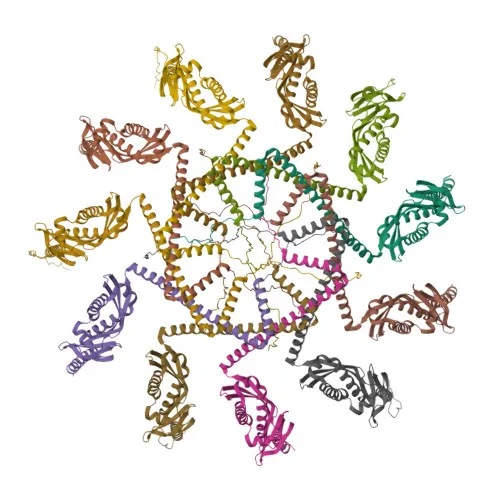
- In mitochondria, PHB assembles with PHB2 into large ring complexes at the inner membrane, acting as a chaperone that stabilizes respiratory enzymes, maintains mitochondrial integrity, regulates mitophagy, and participates in antiviral innate immunity. Related references: PMID:11302691 PMID:28017329 PMID:31522117
- Nuclear PHB functions as a transcription coregulator, enhancing TP53 promoter binding while repressing E2F1, and interacts with STAT3 to influence IL-17 secretion in Th17 cells. Related references: PMID:14500729 PMID:31899195
- At the plasma membrane, PHB cooperates with CD86 in B lymphocytes to modulate IgG1 production and is required for CD40-mediated NF-kappa-B signaling activation.
- PHB localizes to the mitochondrial inner membrane, nucleus, cytoplasm, and cell membrane.
- It is widely expressed across diverse tissues.
- Key post-translational modifications and functional associations include acetylation, phosphorylation, alternative splicing, and involvement in host-virus interactions.
Experimental Guidance and Technical Tips
- The immunogen spans amino acids 73–272, a region likely accessible in native and denatured conditions, supporting detection across applications.
- For WB, expect a band near 30 kDa; additional bands or slight shifts may appear due to post-translational modifications or tissue-specific isoforms—validate with appropriate controls.
- In IHC-P, pre-test on tissues with known Prohibitin expression; widespread distribution makes both positive and negative tissue controls feasible.
- Given the polyclonal nature, consider verifying specificity using knockdown or knockout models if cross-reactivity is suspected.
- Subcellular fractionation or organelle enrichment can improve detection in compartment-specific studies, especially for mitochondrial or nuclear pools.
CamelBio: Your One-Stop Sourcing Bridge
CamelBio provides diagnostic manufacturers and research labs with end-to-end access to IVD raw materials, covering every stage from concept to clinic. For Prohibitin-related projects in mitochondrial biology and cell signaling, we supply validated antibody pairs, optimized polyclonal and monoclonal antibodies, bulk ancillary reagents, and can assist with rare-target raw-material sourcing—streamlining your procurement and accelerating assay development. Let CamelBio be your trusted partner in securing high-quality, research-grade immunological tools.
Product Datasheet
Anti-Prohibitin Rabbit Polyclonal Antibody for WB, IHC-P, ELISA - P35232
REQUEST A QUOTE
Our professional team will reply to you within one business day. Please feel free to contact us!