Polyclonal Antibodies
Anti-PROCR Polyclonal Antibody for WB, IHC-P, ELISA - Q9UNN8
Item Number : CM0017702
Price varies based on specs and customizations
- Application
- WB, IHC-P, ELISA
- Cross Reactivity
- Human, Mouse, Rat
- Protein Weight
- 27kDa

Shipping:
Contact us to get shipping details Enjoy On-time Dispatch Guarantee.
Why Choose Us
Easy ordering process, quality products, and dedicated support for your business success.
Core Product Specifications and Parameters
| Parameter | Value |
|---|---|
| Product Name | PROCR Rabbit pAb |
| Remarks/Alias | CCCA; EPCR; CCD41; PROCR |
| Species | Human |
| GeneID (human) | 10544 |
| GeneID | 10544 |
| Immunogen | Recombinant fusion protein containing a sequence corresponding to amino acids 19-209 of human PROCR (NP_006395.2) |
| Source | Rabbit |
| Category | Polyclonal Antibodies |
| Application | WB, IHC-P, ELISA |
| Cross Reactivity | Human, Mouse, Rat |
| SWISS | Q9UNN8 |
| Protein Weight | 27kDa |
| Shipping | Ice bag |
Biological Background: PROCR Function and Localization
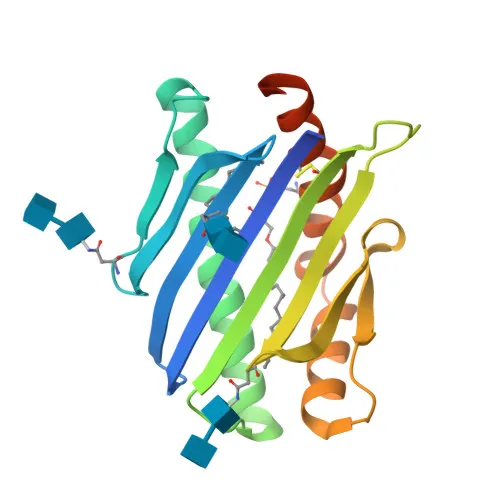
- Endothelial protein C receptor (EPCR), also known as activated protein C receptor, is a single-pass type I membrane protein encoded by the PROCR gene on human chromosome 20.
- EPCR binds activated protein C and enhances its activation by the thrombin-thrombomodulin complex, playing a critical role in the protein C anticoagulant pathway to control blood coagulation.
- The receptor lacks intrinsic catalytic activity but facilitates the cytoprotective and anti-inflammatory signaling of activated protein C.
- Subcellularly, EPCR is localized to the plasma membrane, consistent with its function as a transmembrane receptor.
- It is a glycoprotein containing disulfide bonds, which are essential for its proper folding and ligand-binding activity.
- EPCR is highly expressed in endothelial cells of arteries and veins in the heart and lung, with lower expression in capillaries of the lung and skin, and is absent in the endothelium of small vessels in the liver and kidney.
- The protein has been identified in proteomics studies, suggesting additional roles beyond the classic coagulation cascade.
Experimental Guidance and Technical Tips
- The immunogen spans the extracellular domain (amino acids 19–209), making the antibody suitable for detecting both membrane-bound and soluble forms of PROCR.
- For Western blot, PROCR runs at a predicted molecular weight of ~27 kDa; bear in mind that glycosylation may cause a slight upward shift. Validate the expected band in your sample lysate.
- In IHC-P, antigen retrieval conditions should be optimized; we recommend testing on human heart or lung tissue where expression is highest.
- As a polyclonal antibody, lot-to-lot variation can occur. Always confirm consistency in your specific assay system before scaling up.
- Stated cross-reactivity with mouse and rat is based on supplier data; independent verification in your experimental model is advised.
CamelBio: Your One-Stop Sourcing Bridge
CamelBio provides end-to-end sourcing solutions for IVD raw materials, including validated polyclonal antibodies like this anti-PROCR antibody, ideal for coagulation and endothelial research. Our portfolio spans bulk ancillary reagents, optimized antibody pairs, and rare-target sourcing, ensuring rapid access to critical components. Partner with CamelBio to streamline your diagnostic development from concept to clinic.
REQUEST A QUOTE
Our professional team will reply to you within one business day. Please feel free to contact us!