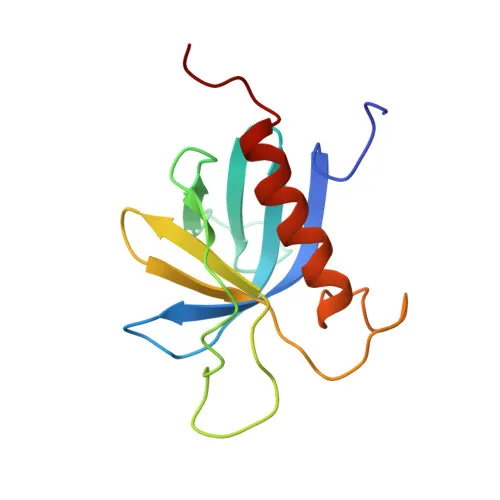
Polyclonal Antibodies
Anti-PRKD3 Rabbit Polyclonal Antibody for WB and ELISA - O94806
Item Number : CM0028057
Price varies based on specs and customizations
- Application
- WB, ELISA
- Cross Reactivity
- Human, Mouse
- Protein Weight
- 100kDa

Shipping:
Contact us to get shipping details Enjoy On-time Dispatch Guarantee.
Why Choose Us
Easy ordering process, quality products, and dedicated support for your business success.
Core Product Specifications and Parameters
| Parameter | Value |
|---|---|
| Product Name | PRKD3 Rabbit pAb |
| Remarks/Alias | EPK2; PKD3; PRKCN; PKC-NU; nPKC-NU; PRKD3 |
| Species | Human |
| GeneID | 23683 |
| Immunogen | Recombinant fusion protein containing a sequence corresponding to amino acids 1-100 of human PRKD3 (NP_005804.1). |
| Source | Rabbit |
| Category | Polyclonal Antibodies |
| Application | WB, ELISA |
| Cross Reactivity | Human, Mouse |
| SWISS | O94806 |
| Protein Weight | 100kDa |
| Shipping | Ice bag |
Biological Background: PRKD3 Function and Localization
- Serine/threonine-protein kinase D3 (PRKD3), also known as protein kinase C nu type (nPKC-nu) or EPK2, is a member of the protein kinase D family.
- PRKD3 functions downstream of protein kinase C (PKC) to convert transient diacylglycerol (DAG) signals into prolonged physiological effects.
- It is involved in cellular resistance to oxidative stress, suggesting a role in cytoprotective signaling pathways.
- The protein contains a catalytic kinase domain, two cysteine-rich zinc finger domains, and a pleckstrin homology domain, typical of the PKD family.
- PRKD3 localizes to the cytoplasm and can translocate to the membrane upon activation.
- It is ubiquitously expressed in human tissues, indicating broad functional significance.
- Post-translational modifications include phosphorylation, which regulates its kinase activity, and alternative splicing generates multiple isoforms.
- Keywords: ATP-binding, kinase, magnesium, metal-binding, nucleotide-binding, phosphoprotein, transferase, zinc, zinc-finger.
Experimental Guidance and Technical Tips
- For Western blot, consider using whole cell lysates from human or mouse cells; the predicted molecular weight is ~100 kDa. Validate antibody specificity with appropriate positive and negative controls.
- For ELISA, consider using recombinant PRKD3 protein as a standard and titrate the antibody for optimal signal-to-noise ratio.
- Ensure proper sample preparation and loading; 20–30 µg of total protein is a common starting point for WB.
- Validate the antibody in your specific sample system and target application, as performance may vary with experimental conditions.
CamelBio: Your One-Stop Sourcing Bridge
CamelBio offers diagnostic manufacturers, laboratories, and research institutes a streamlined sourcing solution for IVD raw materials. This PRKD3 polyclonal antibody supports research into diacylglycerol signaling pathways and oxidative stress, areas with diagnostic potential in cancer and metabolic diseases. As your one-stop partner, CamelBio provides validated antibody pairs, optimized monoclonal and polyclonal antibodies, bulk ancillary reagents, and rare target raw-material sourcing to accelerate your diagnostic development.
REQUEST A QUOTE
Our professional team will reply to you within one business day. Please feel free to contact us!