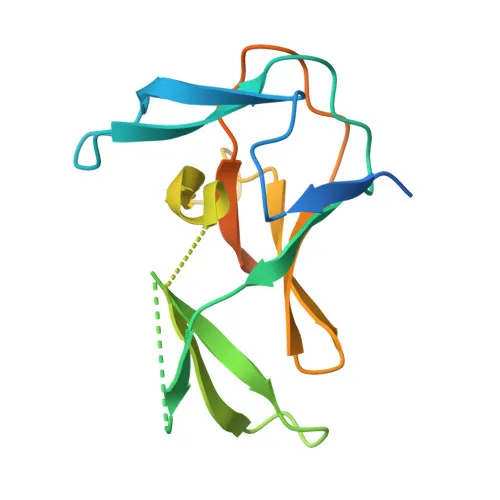
Polyclonal Antibodies
Anti-PRDM12 Polyclonal Antibody for WB, ELISA - Q9H4Q4
Item Number : CM0019949
Price varies based on specs and customizations
- Application
- WB, ELISA
- Cross Reactivity
- Human, Mouse
- Protein Weight
- 40kDa

Shipping:
Contact us to get shipping details Enjoy On-time Dispatch Guarantee.
Why Choose Us
Easy ordering process, quality products, and dedicated support for your business success.
Core Product Specifications and Parameters
| Parameter | Details |
|---|---|
| Product Name | PRDM12 Rabbit pAb |
| Remarks/Alias | PFM9; HSAN8; PRDM12 |
| Species | Human |
| GeneID (Human) | 59335 |
| GeneID | 59335 |
| Immunogen | Recombinant fusion protein containing a sequence corresponding to amino acids 100-330 of human PRDM12 (NP_067632.2). |
| Source | Rabbit |
| Category | Polyclonal Antibodies |
| Application | WB, ELISA |
| Cross Reactivity | Human, Mouse |
| SWISS | Q9H4Q4 |
| Protein Weight | 40kDa |
| Shipping | Ice bag |
Biological Background: PRDM12 Function and Localization
-
PRDM12 (PR domain zinc finger protein 12) is a transcriptional regulator belonging to the PR/SET domain family, essential for nociceptive neuron development.
-
It determines the nociceptive lineage from neural crest cell progenitors, initiating neurogenesis by activating pro-neuronal factors such as NEUROD1, BRN3A, and ISL1, while repressing non-nociceptor fates.
-
In adults, PRDM12 maintains nociceptor function by regulating excitability and gene expression in response to pain stimuli, though its expression is restricted to dorsal root ganglia.
-
The protein localizes to the nucleus, consistent with its role as a DNA-binding transcription factor, and features multiple zinc-finger domains and a PR domain.
-
Mutations in PRDM12 are associated with hereditary sensory and autonomic neuropathy type VIII (HSAN8), linking it to neurodegeneration and pain insensitivity.
-
Additional keywords from UniProt include: activator, repressor, triplet repeat expansion, and metal-binding, reflecting its complex regulatory roles.
Experimental Guidance and Technical Tips
- The immunogen spans amino acids 100–330 of human PRDM12; thus, the antibody may detect full-length and potentially truncated isoforms. Validate specificity via peptide competition or knockout models.
- For WB, expect a band near 40 kDa (predicted molecular weight). Use lysates from dorsal root ganglia or neuronal cell lines as positive controls, and confirm with molecular weight markers.
- Cross-reactivity with mouse implies epitope conservation; however, verify sequence homology and test on mouse tissue samples (e.g., embryonic or adult dorsal root ganglia) to confirm.
- ELISA can be employed for quantitative analysis. Optimize coating antigen concentration and antibody dilution using purified recombinant PRDM12 or cell lysates.
- Given the restricted expression of PRDM12, enrich specimens from neural crest-derived tissues or employ overexpression systems if endogenous levels are low.
CamelBio: Your One-Stop Sourcing Bridge
CamelBio empowers diagnostic manufacturers and researchers by providing a comprehensive portfolio of IVD raw materials, including validated antibody pairs, optimized polyclonal and monoclonal antibodies, bulk ancillary reagents, and specialized rare-target sourcing. This PRDM12 antibody supports pain research and nociceptive pathway studies, and we can assist with customized solutions for assay development and scale-up. Partner with CamelBio for end-to-end raw-material supply, from concept to clinic.
REQUEST A QUOTE
Our professional team will reply to you within one business day. Please feel free to contact us!