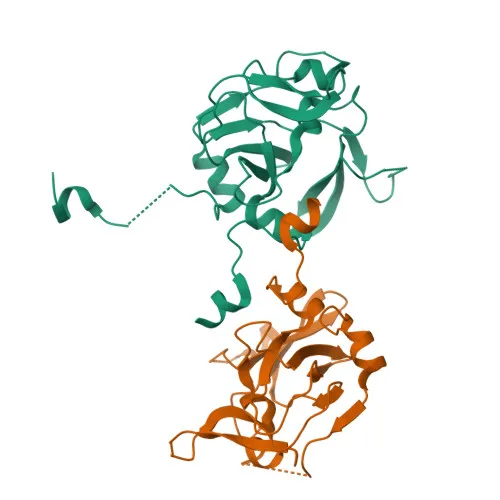
Polyclonal Antibodies
Anti-PRDM1 Polyclonal Antibody for WB, IF/ICC, ELISA - O75626
Item Number : CM0023248
Price varies based on specs and customizations
- Application
- WB, IF/ICC, ELISA
- Cross Reactivity
- Human, Mouse
- Protein Weight
- 92kDa

Shipping:
Contact us to get shipping details Enjoy On-time Dispatch Guarantee.
Why Choose Us
Easy ordering process, quality products, and dedicated support for your business success.
Core Product Specifications and Parameters
| Parameter | Value |
|---|---|
| Product Name | PRDM1 Rabbit pAb |
| Remarks/Alias | BLIMP1; PRDI-BF1; PRDM1 |
| Species | Human |
| Gene ID (Human) | 639 |
| Gene ID | 639 |
| Immunogen | Recombinant fusion protein containing a sequence corresponding to amino acids 70-210 of human PRDM1 (NP_001189.2) |
| Source | Rabbit |
| Category | Polyclonal Antibodies |
| Application | WB, IF/ICC, ELISA |
| Cross Reactivity | Human, Mouse |
| SWISS | O75626 |
| Protein Weight | 92kDa |
| Shipping | Ice bag |
Biological Background: PRDM1 Function and Localization
- PRDM1, also known as BLIMP-1, is a zinc-finger transcription factor encoded by the PRDM1 gene, with predicted molecular weight of ~92 kDa (isoform-dependent; alternative splicing reported).
- It acts as a master transcriptional repressor driving terminal differentiation of B-lymphocytes into immunoglobulin-secreting plasma cells, a process essential for humoral immunity. Related references: PMID:12626569
- PRDM1 binds specifically to the PRDI (positive regulatory domain I) element in the promoter of the beta-interferon gene, thereby negatively regulating its expression. Related references: PMID:1851123
- The protein is critical for the development, retention, and long-term maintenance of tissue-resident memory T (Trm) cells and innate lymphocytes in non-lymphoid organs such as skin, gut, liver, and kidney, thus providing rapid local immunological protection.
- Subcellularly, PRDM1 localizes predominantly to the nucleus but can also be detected in the cytoplasm, consistent with its role as a DNA-binding transcriptional regulator.
- PRDM1 cooperates with other transcriptional repressors, such as ZNF683, to target gene promoters, and negatively regulates IRF8 expression to promote osteoclast differentiation.
- Post-translational modifications include ubiquitination (isopeptide bond), and the protein contains multiple zinc finger domains and an S-adenosyl-L-methionine-dependent methyltransferase domain, although its methyltransferase activity on substrates is not fully elucidated.
Experimental Guidance and Technical Tips
- The immunogen corresponds to an N-terminal region (aa 70–210) of human PRDM1, which may recognize epitopes conserved in mouse, supporting predicted cross-reactivity.
- For western blot, the predicted molecular weight is ~92 kDa; migrating bands may differ depending on the isoform or post-translational modifications; validate with known positive and negative controls.
- In immunofluorescence/immunocytochemistry, nuclear staining is expected, with possible cytoplasmic signal; optimize fixation and permeabilization conditions for the specific cell type.
- ELISA performance should be verified by the user with appropriate antigen coating and detection protocols.
CamelBio: Your One-Stop Sourcing Bridge
CamelBio provides diagnostic manufacturers and research laboratories with a comprehensive portfolio of IVD raw materials, including validated antibody pairs, bulk ancillary reagents, and rare-target sourcing. This anti-PRDM1 polyclonal antibody supports immunology and transcription research applications, with access to optimized monoclonal/polyclonal options and technical consultation. Partner with CamelBio for reliable, one-stop procurement to accelerate your assay development from concept to clinic.
REQUEST A QUOTE
Our professional team will reply to you within one business day. Please feel free to contact us!