Polyclonal Antibodies
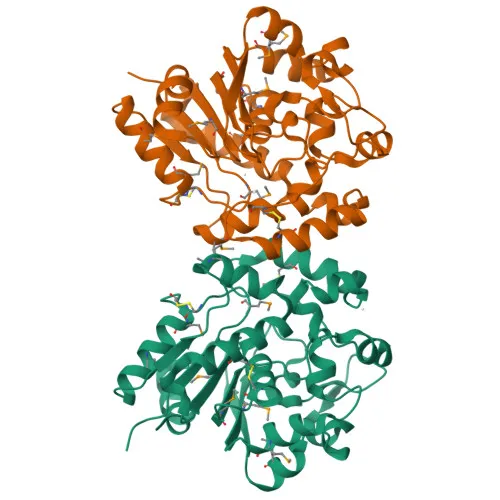
Anti-PPT1 Rabbit Polyclonal Antibody for WB, ELISA - P50897
Item Number : CM0018181
Price varies based on specs and customizations
- Application
- WB, ELISA
- Cross Reactivity
- Human, Mouse, Rat
- Protein Weight
- 34kDa

Shipping:
Contact us to get shipping details Enjoy On-time Dispatch Guarantee.
Why Choose Us
Easy ordering process, quality products, and dedicated support for your business success.
Core Product Specifications and Parameters
| Parameter | Value |
|---|---|
| Product Name | PPT1 Rabbit pAb |
| Remarks/Alias | PPT; CLN1; INCL; PPT1 |
| Species | Human |
| GeneID (Human) | 5538 |
| GeneID | 5538 |
| Immunogen | Recombinant fusion protein containing a sequence corresponding to amino acids 28-306 of human PPT1 (NP_000301.1) |
| Source | Rabbit |
| Category | Polyclonal Antibodies |
| Application | WB, ELISA |
| Cross Reactivity | Human, Mouse, Rat |
| SWISS | P50897 |
| Protein Weight | 34kDa |
| Shipping | Ice bag |
Biological Background: PPT1 (Palmitoyl-protein thioesterase 1) Function and Localization
- PPT1, also known as palmitoyl-protein thioesterase 1 or palmitoyl-protein hydrolase 1, is a lysosomal enzyme that catalyzes the removal of palmitate groups from modified cysteine residues in proteins.
- It exhibits thioesterase activity towards fatty acid thioesters with acyl chain lengths of 14–18 carbons, including palmitoyl-CoA and S-palmitoyl-N-acetylcysteamine, as well as palmitoylated proteins. Related references: PMID:12855696 PMID:26731412 PMID:8816748
- Unlike PPT2, PPT1 is uniquely capable of hydrolyzing palmitoylated proteins and palmitoylcysteine, highlighting its critical role in lysosomal degradation of lipid-modified proteins. Related references: PMID:12855696
- Mutations in the PPT1 gene cause infantile neuronal ceroid lipofuscinosis (CLN1 disease, also known as INCL), a severe neurodegenerative lysosomal storage disorder characterized by accumulation of autofluorescent ceroid lipopigments.
- Subcellularly, PPT1 is predominantly localized to lysosomes, but it is also found in the Golgi apparatus, endoplasmic reticulum, and can be secreted.
- PPT1 is subject to alternative splicing, producing multiple transcript variants, and undergoes glycosylation and disulfide bond formation for proper folding and stability.
- The protein plays a role in sensory transduction and vision, as indicated by its association with neurodegeneration and neuronal ceroid lipofuscinosis.
- PPT1 is a glycoprotein with a predicted molecular mass of approximately 34 kDa (34193 Da).
Experimental Guidance and Technical Tips
- The immunogen spans the mature PPT1 protein (amino acids 28‑306), suggesting the antibody may recognize both full‑length and processed forms; consider using appropriate positive controls expressing PPT1.
- For Western blot, a band of approximately 34 kDa is expected; validate detection in lysates from human, mouse, or rat tissues or cell lines known to express PPT1 (e.g., liver, brain).
- For ELISA, the antibody can serve as a capture or detection reagent; pairing with a matched antibody pair may require optimization.
- Given the lysosomal and secreted nature of PPT1, consider testing both cell lysates and conditioned media when analyzing protein expression.
- Note that PPT1 is glycosylated, which may affect electrophoretic mobility; treatment with PNGase F can confirm glycosylation status.
CamelBio: Your One-Stop Sourcing Bridge
CamelBio is your dedicated partner for IVD raw materials, offering validated antibody pairs, optimized monoclonal and polyclonal antibodies, and bulk ancillary reagents. Whether you require this high‑quality anti‑PPT1 antibody for diagnostic assay development or research into lysosomal storage diseases, our supply chain ensures reliable access to rare and critical targets. Contact us to discuss customized sourcing solutions for your project.
REQUEST A QUOTE
Our professional team will reply to you within one business day. Please feel free to contact us!