Polyclonal Antibodies
Anti-PPP1R3C Polyclonal Antibody for IHC-P, IF/ICC, ELISA - Q9UQK1
Item Number : CM0021964
Price varies based on specs and customizations
- Application
- IHC-P, IF/ICC, ELISA
- Cross Reactivity
- Human, Mouse, Rat
- Protein Weight
- 36kDa

Shipping:
Contact us to get shipping details Enjoy On-time Dispatch Guarantee.
Why Choose Us
Easy ordering process, quality products, and dedicated support for your business success.
Core Product Specifications and Parameters
| Parameter | Value |
|---|---|
| Product Name | PPP1R3C Rabbit pAb |
| Remarks/Alias | PTG, PPP1R5, PPP1R3C |
| Species | Human |
| GeneID (Human) | 5507 |
| GeneID | 5507 |
| Immunogen | Recombinant fusion protein containing a sequence corresponding to amino acids 1-150 of human PPP1R3C (NP_005389.1) |
| Source | Rabbit |
| Category | Polyclonal Antibodies |
| Application | IHC-P, IF/ICC, ELISA |
| Cross Reactivity | Human, Mouse, Rat |
| SWISS | Q9UQK1 |
| Protein Weight | 36kDa |
| Shipping | Ice bag |
Biological Background: PPP1R3C Function and Localization
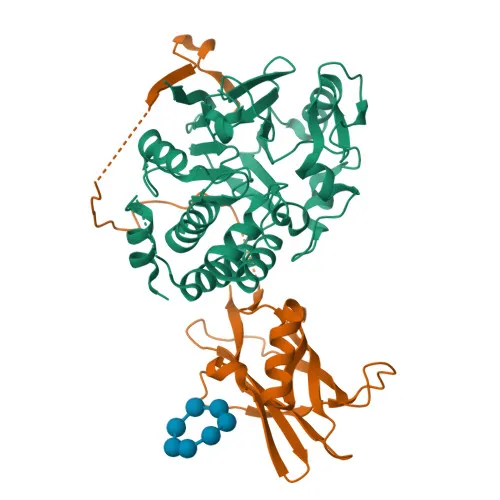
- PPP1R3C, also known as PTG (Protein targeting to glycogen) or PPP1R5, is a regulatory subunit of protein phosphatase 1 (PP1) that targets the phosphatase to glycogen particles.
- As a glycogen-targeting subunit, it plays a crucial role in glycogen metabolism by activating glycogen synthase and inhibiting glycogen phosphorylase, thereby promoting glycogen synthesis and limiting breakdown.
- Overexpression of PPP1R3C dramatically enhances both basal and insulin-stimulated glycogen synthesis in various cell types, highlighting its key role in insulin signaling and glucose homeostasis.
- The protein is classified under the PPP1R family of PP1 regulatory subunits, which direct PP1 to specific subcellular locations and substrates.
- Keywords from UniProt include carbohydrate metabolism, glycogen metabolism, and Ubl conjugation, indicating involvement in metabolic processes and potential ubiquitin-like modifications.
- The molecular weight of the protein is approximately 36 kDa (calculated 36445 Da), and it is conserved across human, mouse, and rat, enabling cross-species research.
Experimental Guidance and Technical Tips
- The immunogen (amino acids 1-150) corresponds to the N-terminal region of human PPP1R3C; consider that the antibody may recognize epitopes within this domain and could potentially detect N-terminal fragments or isoforms.
- For IHC-P, standard antigen retrieval with citrate or EDTA buffer may be suitable; validate in relevant tissues (e.g., liver or skeletal muscle) where PPP1R3C is functionally active.
- In IF/ICC, test different fixation methods (e.g., 4% PFA vs. methanol) to preserve the glycogen-related localization pattern; co-staining with glycogen markers may confirm targeting.
- For ELISA, optimize coating with recombinant full-length or immunogen fragment as positive control; note cross-reactivity with mouse and rat PPP1R3C allows for cross-species experiments.
CamelBio: Your One-Stop Sourcing Bridge
CamelBio serves as your one-stop partner for IVD raw materials, providing validated antibodies and bulk reagents to accelerate diagnostic development. For glycogen metabolism and signaling studies, we ensure continuous supply of anti-PPP1R3C antibodies and ancillary products, backed by technical expertise from concept to clinical application.
REQUEST A QUOTE
Our professional team will reply to you within one business day. Please feel free to contact us!