Polyclonal Antibodies
Anti-PPIA Rabbit Polyclonal Antibody for WB, ELISA - P62937
Item Number : CM0016656
Price varies based on specs and customizations
- Application
- WB, ELISA
- Cross Reactivity
- Human, Mouse, Rat
- Protein Weight
- 18kDa

Shipping:
Contact us to get shipping details Enjoy On-time Dispatch Guarantee.
Why Choose Us
Easy ordering process, quality products, and dedicated support for your business success.
Core Product Specifications and Parameters
| Parameter | Value |
|---|---|
| Product Name | PPIA Rabbit pAb |
| Remarks/Alias | CYPA; CYPH; HEL-S-69p; PPIA |
| Species | Human |
| GeneID (Human) | 5478 |
| GeneID | 5478 |
| Immunogen | A synthetic peptide corresponding to a sequence within amino acids 100-165 of human PPIA (NP_066953.1) |
| Source | Rabbit |
| Category | Polyclonal Antibodies |
| Application | WB, ELISA |
| Cross Reactivity | Human, Mouse, Rat |
| SWISS | P62937 |
| Protein Weight | 18kDa |
| Shipping | Ice bag |
Biological Background: PPIA Function and Localization
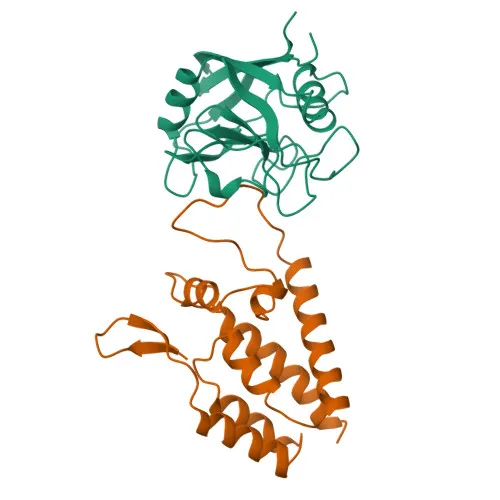
- PPIA encodes peptidyl-prolyl cis-trans isomerase A (Cyclophilin A), a ubiquitously expressed enzyme that catalyzes proline imidic peptide bond isomerization in oligopeptides, facilitating protein folding and trafficking (PubMed:2001362, PubMed:20676357, PubMed:21245143). Related references: PMID:2001362 PMID:20676357 PMID:21245143
- Cyclophilin A acts as a chemotactic factor for leukocytes by binding to the extracellular receptor BSG/CD147, triggering downstream MAPK/ERK signaling (PubMed:11943775, PubMed:21245143). It also activates endothelial cells in a pro-inflammatory manner, promoting adhesion molecule expression (PubMed:15130913). Related references: PMID:11943775 PMID:21245143 PMID:15130913
- In endothelial cells, PPIA induces apoptosis via FOXO1-dependent upregulation of CCL2 and BCL2L11 (PubMed:31063815), and mediates dual pro- and anti-apoptotic signals under oxidative stress through NF-kappa-B and AKT1 pathways (PubMed:23180369). Related references: PMID:31063815 PMID:23180369
- It negatively regulates MAP3K5/ASK1 kinase activity, suppressing oxidative stress-induced apoptosis (PubMed:26095851). Additionally, PPIA is necessary for TARDBP assembly in hnRNP complexes and regulates clearance of protein aggregates (PubMed:25678563). Related references: PMID:26095851 PMID:25678563
- PPIA plays a role in platelet activation and aggregation by regulating integrin signaling and calcium mobilization (By similarity). It also binds heparan sulfate glycosaminoglycans (PubMed:11943775). Related references: PMID:11943775
- In host-virus interactions, PPIA inhibits influenza A virus replication by impairing ITCH/AIP4-mediated ubiquitination of matrix protein M1 (PubMed:22347431, PubMed:30328013). It may also facilitate SARS coronavirus entry via BSG/CD147 (PubMed:15688292) and stimulate HCV NS5A RNA-binding. Related references: PMID:22347431 PMID:30328013 PMID:15688292
- Subcellular localization includes cytoplasm, nucleus, cell membrane, and secretion. Post-translational modifications include acetylation, phosphorylation, and ubiquitination, consistent with its roles in signaling and apoptosis.
Experimental Guidance and Technical Tips
- The immunogen is a synthetic peptide spanning amino acids 100-165 of human PPIA, which shares high sequence identity with mouse and rat orthologs, supporting the observed cross-reactivity.
- For Western blotting, a band at approximately 18 kDa is expected; we recommend validating the antibody in your specific cell or tissue lysate, considering PPIA's ubiquitous expression.
- In ELISA applications, as a polyclonal antibody, it may provide robust signal; however, optimize coating conditions and antibody dilution to minimize background.
- When studying PPIA in inflammatory or viral contexts, include appropriate controls (e.g., stimulated vs. unstimulated cells) given its inducible roles.
CamelBio: Your One-Stop Sourcing Bridge
CamelBio specializes in providing comprehensive IVD raw material solutions, from validated antibody pairs and bulk ancillary reagents to rare target sourcing. For researchers and manufacturers focusing on protein folding, inflammation, or virology, CamelBio offers reliable access to high-quality PPIA antibodies and associated reagents, ensuring seamless integration into your assay development pipeline. Partner with us to streamline your sourcing needs from concept to clinic.
REQUEST A QUOTE
Our professional team will reply to you within one business day. Please feel free to contact us!