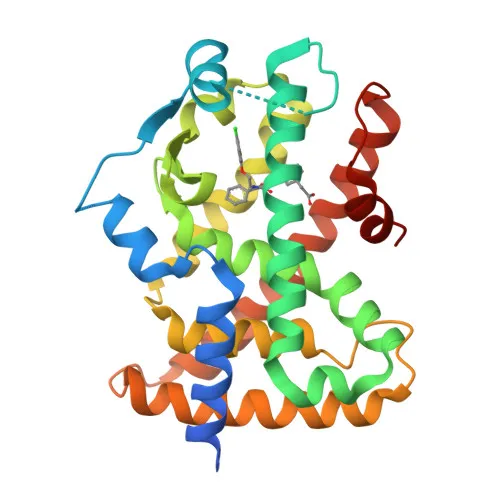
Polyclonal Antibodies
Anti-PPARD Polyclonal Antibody for WB, IHC-P, ELISA - Q03181
Item Number : CM0029820
Price varies based on specs and customizations
- Application
- WB, IHC-P, ELISA
- Cross Reactivity
- Human, Mouse, Rat
- Protein Weight
- 50kDa

Shipping:
Contact us to get shipping details Enjoy On-time Dispatch Guarantee.
Why Choose Us
Easy ordering process, quality products, and dedicated support for your business success.
Core Product Specifications and Parameters
| Parameter | Value |
|---|---|
| Product Name | PPARD Rabbit pAb |
| Remarks/Alias | FAAR; NUC1; NUCI; NR1C2; NUCII; PPARB; PPARD |
| Species | Human |
| GeneID (Human) | 5467 |
| GeneID | 5467 |
| Immunogen | Recombinant fusion protein containing a sequence corresponding to amino acids 102-361 of human PPARD (NP_803184.1). |
| Source | Rabbit |
| Category | Polyclonal Antibodies |
| Application | WB, IHC-P, ELISA |
| Cross Reactivity | Human, Mouse, Rat |
| SWISS | Q03181 |
| Protein Weight | 50kDa |
| Shipping | Ice bag |
Biological Background: PPARD Function and Localization
- Peroxisome proliferator-activated receptor delta (PPARD; also known as PPAR-beta, NUC1, NR1C2, FAAR) is a member of the nuclear receptor family that functions as a ligand-activated transcription factor.
- Key mediator of energy metabolism in adipose tissues, regulating the peroxisomal beta-oxidation pathway of fatty acids and acting as a transcription activator for the acyl-CoA oxidase gene.
Related references: PMID:35675826 - Upon ligand binding, PPARD decreases expression of NPC1L1, influencing cholesterol absorption.
- The receptor exhibits a preference for polyunsaturated fatty acids, such as gamma-linoleic acid and eicosapentaenoic acid.
- PPARD is localized to the nucleus and contains DNA-binding zinc-finger domains, metal-binding sites, and undergoes ubiquitin-like conjugation.
- Tissue expression is ubiquitous, with highest levels observed in placenta and skeletal muscle.
Experimental Guidance and Technical Tips
- The immunogen corresponds to amino acids 102–361 of human PPARD; for species cross-reactivity, align sequences of mouse (P35396) and rat (Q62892) orthologs to assess conservation.
- For Western blotting, anticipate a band near 50 kDa; use lysates from skeletal muscle or placental tissue where endogenous expression is robust.
- IHC-P may require antigen retrieval optimization; consider testing with placental or adipose tissue sections as positive controls.
- ELISA can be employed for quantifying PPARD in cell extracts or recombinant preparations; validate standard curves using the immunogen protein.
CamelBio: Your One-Stop Sourcing Bridge
CamelBio is your one-stop sourcing partner for IVD raw materials, providing validated antibody pairs, optimized monoclonal and polyclonal antibodies, and bulk ancillary reagents to streamline diagnostic development. Our portfolio includes extensive nuclear receptor research tools, such as PPAR family antibodies and recombinant proteins, tailored for assay reproducibility. For rare target raw-material sourcing or technical consulting, contact CamelBio to accelerate your path from concept to clinic.
REQUEST A QUOTE
Our professional team will reply to you within one business day. Please feel free to contact us!