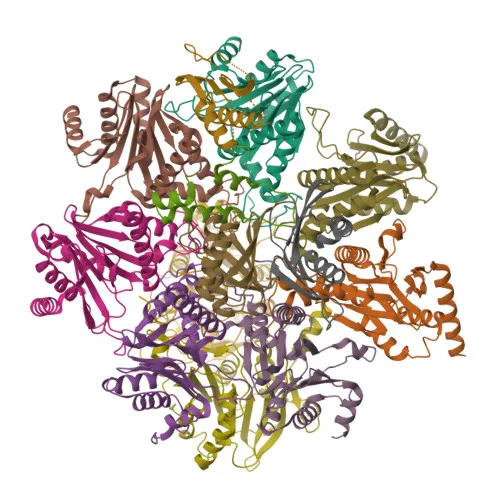
Polyclonal Antibodies
Anti-POMP Rabbit Polyclonal Antibody for WB, ELISA - Q9Y244
Item Number : CM0029773
Price varies based on specs and customizations
- Application
- WB, ELISA
- Cross Reactivity
- Human
- Protein Weight
- 16kDa

Shipping:
Contact us to get shipping details Enjoy On-time Dispatch Guarantee.
Why Choose Us
Easy ordering process, quality products, and dedicated support for your business success.
Core Product Specifications and Parameters
| Parameter | Value |
|---|---|
| Product Name | POMP Rabbit pAb |
| Remarks/Alias | UMP1; PRAAS2; HSPC014; C13orf12; PNAS-110; POMP |
| Species | Human |
| GeneID (Human) | 51371 |
| GeneID | 51371 |
| Immunogen | Recombinant protein|Recombinant fusion protein containing a sequence corresponding to amino acids 1-141 of human POMP (NP_057016.1). |
| Source | Rabbit |
| Category | Polyclonal Antibodies |
| Application | WB, ELISA |
| Cross Reactivity | Human |
| SWISS | Q9Y244 |
| Protein Weight | 16kDa |
| Shipping | Ice bag |
Biological Background: POMP Function and Localization
- POMP (Proteasome maturation protein), also known as proteassemblin, hUMP1, or voltage-gated K channel beta subunit 4.1, is a molecular chaperone essential for the assembly of both standard proteasomes and immunoproteasomes.
- It mediates the association of the 20S preproteasome with the endoplasmic reticulum, facilitating the correct maturation of the proteolytic core complex.
- POMP is degraded after completion of proteasome maturation, serving as a dedicated assembly factor rather than a permanent subunit.
- Localizes primarily to the cytoplasm and cytosol, but is also found in the nucleus and associated with microsomal membranes.
- Strongly expressed in healthy epidermis from the basal to granular layer; in KLICK patients, expression decreases toward the granular layer, linking it to skin homeostasis and disease.
- Contains an isopeptide bond and undergoes ubiquitin conjugation, reflecting its transient role and regulated turnover during proteasome biogenesis.
Experimental Guidance and Technical Tips
- The immunogen (amino acids 1-141) covers nearly the full-length human POMP protein, suggesting the antibody may recognize native and denatured forms; for Western blot, a band around 16 kDa is expected.
- For WB, consider using reducing conditions and loading positive control lysates from human cell lines (e.g., HeLa, HEK293) that express POMP ubiquitously.
- In ELISA, the antibody can be used for indirect detection; optimizing coating antigen concentration and secondary antibody dilution is recommended for your specific assay format.
- Since POMP is a low-molecular-weight chaperone, ensure adequate transfer times and membrane pore size (0.2 µm PVDF or nitrocellulose) for Western blot.
CamelBio: Your One-Stop Sourcing Bridge
CamelBio offers a comprehensive supply chain for IVD raw materials, including validated antibody pairs, recombinant proteins, and bulk ancillary reagents. This anti-POMP polyclonal antibody supports research in proteasome biology, protein degradation, and skin-related disorders. As your one-stop sourcing partner, CamelBio can also assist in procuring rare-target raw materials and custom assay development components to accelerate your diagnostic projects.
REQUEST A QUOTE
Our professional team will reply to you within one business day. Please feel free to contact us!