Polyclonal Antibodies
Anti-PMEL Polyclonal Antibody for WB, IF/ICC, ELISA - P40967
Item Number : CM0027855
Price varies based on specs and customizations
- Application
- WB, IF/ICC, ELISA
- Cross Reactivity
- Human, Mouse, Rat
- Protein Weight
- 70kDa

Shipping:
Contact us to get shipping details Enjoy On-time Dispatch Guarantee.
Why Choose Us
Easy ordering process, quality products, and dedicated support for your business success.
Core Product Specifications and Parameters
| Parameter | Value |
|---|---|
| Product Name | PMEL Rabbit pAb |
| Remarks/Alias | P1; SI; SIL; ME20; P100; SILV; HMB45; ME20M; gp100; HMB-45; ME20-M; PMEL17; D12S53E; PMEL |
| Species | Human |
| GeneID (Human) | 6490 |
| GeneID | 6490 |
| Immunogen | Recombinant fusion protein containing a sequence corresponding to amino acids 320-430 of human PMEL (NP_008859.1). |
| Source | Rabbit |
| Category | Polyclonal Antibodies |
| Application | WB, IF/ICC, ELISA |
| Cross Reactivity | Human, Mouse, Rat |
| SWISS | P40967 |
| Protein Weight | 70kDa |
| Shipping | Ice bag |
Biological Background: PMEL Function and Localization
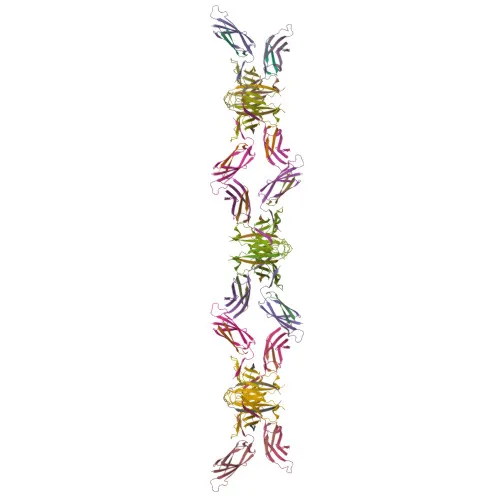
- PMEL (also known as gp100, Pmel17, SILV, ME20) is a melanocyte-specific type I transmembrane glycoprotein that plays a central role in melanosome biogenesis. It is the precursor for physiological amyloid fibrils within melanosomes.
- The protein undergoes highly regulated proteolytic processing; its amyloidogenic fragments assemble into parallel fibrillar sheets that drive the elongation of stage I premelanosomes into the striated, ellipsoidal stage II melanosomes.
- In mature pigmented stage III and IV melanosomes, the amyloid matrix serves as a scaffold for eumelanin polymerization, concentrating precursors and possibly sequestering toxic intermediates.
- Subcellular localization spans multiple compartments: it is found in the endoplasmic reticulum membrane, Golgi apparatus, cis-Golgi network membrane, endosomes (multivesicular bodies), melanosomes, and secreted extracellular vesicles.
- PMEL is recognized as a melanoma-specific tumor antigen. Among its non-mutated self-peptides, HLA-A2-restricted epitopes such as G9-154 (KTWGQYWQV), G9-209 (ITDQVPFSV), and G9-280 (YLEPGPVTA) are immunodominant and can stimulate cytotoxic T-cell responses.
- It is normally expressed at low levels in quiescent adult melanocytes but is strongly overexpressed in proliferating neonatal melanocytes and during tumor growth, particularly in malignant melanomas. Some expression is also found in dysplastic nevi.
- Post-translational modifications include extensive glycosylation (sialic acid-containing carbohydrates), disulfide bond formation, and cleavage on pairs of basic residues. The mature protein contains a signal peptide, a transmembrane helix, and luminal/extracellular repeats.
Experimental Guidance and Technical Tips
- The immunogen corresponds to amino acids 320–430 within the ectodomain of human PMEL, a region likely exposed and suitable for recognition of both full-length and processed fragments.
- For Western blot, confirm the expected full-length band at approximately 70 kDa; additional lower bands representing cleaved amyloidogenic fragments (e.g., Mα, Mβ) may be observed in melanocytic cell extracts.
- In immunofluorescence/ICC, melanosome localization can be validated using melanoma cell lines (e.g., SK-MEL-28, Mel-624) or primary melanocytes; co-staining with melanosome markers is advisable.
- ELISA applications should be optimized using recombinant PMEL or cell lysates; due to the polyclonal nature, this antibody may provide high sensitivity but requires careful titration.
- Cross-reactivity with mouse and rat PMEL is declared; however, we recommend verifying reactivity in the specific species and tissue context before large-scale studies.
CamelBio: Your One-Stop Sourcing Bridge
CamelBio provides diagnostic manufacturers, labs, and research institutes with one-stop access to IVD raw materials, technical services, and consulting—covering every stage from concept to clinic. This anti-PMEL polyclonal antibody serves researchers investigating melanosome biology and melanoma biomarker development. We supply validated antibody pairs, optimized monoclonal/polyclonal antibodies, bulk ancillary reagents, and can assist in sourcing rare target raw materials to accelerate your diagnostic assay development.
REQUEST A QUOTE
Our professional team will reply to you within one business day. Please feel free to contact us!