Polyclonal Antibodies
Anti-PLZF Polyclonal Antibody for WB, IHC-P, ELISA - Q05516
Item Number : CM0030271
Price varies based on specs and customizations
- Application
- WB, IHC-P, ELISA
- Cross Reactivity
- Human, Mouse, Rat
- Protein Weight
- 74kDa

Shipping:
Contact us to get shipping details Enjoy On-time Dispatch Guarantee.
Why Choose Us
Easy ordering process, quality products, and dedicated support for your business success.
Core Product Specifications and Parameters
| Parameter | Value |
|---|---|
| Product Name | PLZF Rabbit pAb |
| Remarks/Alias | PLZF; ZNF145 |
| Species | Human |
| Gene ID | 7704 |
| Immunogen | Recombinant protein|Recombinant fusion protein containing a sequence corresponding to amino acids 199-300 of human PLZF (NP_005997.2). |
| Source | Rabbit |
| Category | Polyclonal Antibodies |
| Application | WB, IHC-P, ELISA |
| Cross Reactivity | Human, Mouse, Rat |
| SWISS | Q05516 |
| Protein Weight | 74kDa |
| Shipping | Ice bag |
Biological Background: PLZF Function and Localization
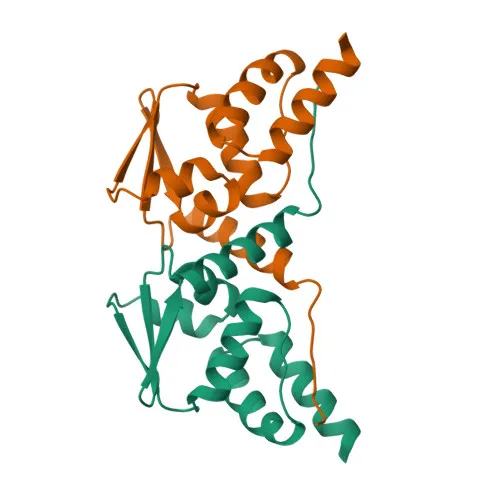
- PLZF, encoded by the ZBTB16 gene, is a zinc finger and BTB domain-containing transcriptional repressor, also known as promyelocytic leukemia zinc finger protein (ZNF145).
- It mediates transcriptional repression through recruitment of histone deacetylases to target promoters, regulating myeloid maturation and other differentiation processes. Related references: PMID:10688654, PMID:24359566
- Functions as a substrate-recognition component of an E3 ubiquitin-protein ligase complex, directing ubiquitination and proteasomal degradation of target proteins. Related references: PMID:14528312
- It localizes predominantly in the nucleus and nuclear bodies.
- PLZF is expressed in hematopoietic tissues including bone marrow, early myeloid cell lines, and peripheral blood mononuclear cells, with lower expression in ovary, kidney, and lung.
- The protein features nine zinc-finger domains and a BTB/POZ domain, and is classified under metal-binding, DNA-binding, and alternative splicing categories, with involvement in chromosomal rearrangements linked to disease.
Experimental Guidance and Technical Tips
- The immunogen spans amino acids 199–300, located between the BTB domain and the zinc-finger repeats, potentially generating antibodies that recognize the native and denatured protein in various applications.
- For Western blot, consider a starting dilution of 1:500–1:2000 and validate using lysates from bone marrow or myeloid cell lines where PLZF is highly expressed.
- In immunohistochemistry (paraffin-embedded sections), perform heat-induced antigen retrieval and titrate the antibody to minimize background; include nuclear staining controls.
- For ELISA, use recombinant PLZF or peptide antigen as capture, and confirm species cross-reactivity if using mouse or rat samples.
- The polyclonal nature may yield a stronger signal but requires careful lot-to-lot consistency checks for quantitative assays.
CamelBio: Your One-Stop Sourcing Bridge
CamelBio is your dedicated partner for one-stop sourcing of high-quality IVD raw materials, from concept to clinic. This anti-PLZF antibody supports research in transcription regulation, myeloid leukemia, and developmental biology, and CamelBio can supply validated antibody pairs, bulk reagents, and rare-target monoclonal/polyclonal antibodies to meet your diagnostic development needs. Contact our team to discuss custom antibody production, optimized ancillary reagents, and flexible supply solutions tailored to your project.
REQUEST A QUOTE
Our professional team will reply to you within one business day. Please feel free to contact us!