Polyclonal Antibodies
Anti-PLK2 Rabbit Polyclonal Antibody for WB, IF/ICC, ELISA - Q9NYY3
Item Number : CM0025651
Price varies based on specs and customizations
- Application
- WB, IF/ICC, ELISA
- Cross Reactivity
- Human, Mouse, Rat
- Protein Weight
- 78kDa

Shipping:
Contact us to get shipping details Enjoy On-time Dispatch Guarantee.
Why Choose Us
Easy ordering process, quality products, and dedicated support for your business success.
Core Product Specifications and Parameters
| Parameter | Value |
|---|---|
| Product Name | PLK2 Rabbit pAb |
| Remarks/Alias | SNK; hSNK; hPlk2; PLK2 |
| Species | Human |
| GeneID (Human) | 10769 |
| GeneID | 10769 |
| Immunogen | Recombinant fusion protein containing a sequence corresponding to amino acids 361-439 of human PLK2 (NP_006613.2) |
| Source | Rabbit |
| Category | Polyclonal Antibodies |
| Application | WB, IF/ICC, ELISA |
| Cross Reactivity | Human, Mouse, Rat |
| SWISS | Q9NYY3 |
| Protein Weight | 78kDa |
| Shipping | Ice bag |
Biological Background: PLK2 Function and Localization
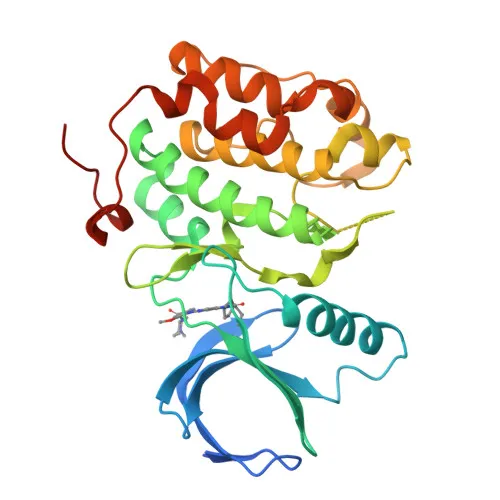
- Tumor suppressor serine/threonine-protein kinase involved in synaptic plasticity, centriole duplication and G1/S phase transition; acts by binding and phosphorylating substrates pre-phosphorylated on a POLO box domain-recognized motif.
- Phosphorylates key regulators including CPAP, NPM1, RAPGEF2, RASGRF1, SNCA, SIPA1L1 and SYNGAP1, linking PLK2 to centriole function and Ras/Rap signal transduction.
- Bifunctional regulator of synaptic plasticity: kinase-dependently promotes degradation of RASGRF1 and SIPA1L1 while activating RAPGEF2 and SYNGAP1; also mediates kinase-independent AMPAR current rundown via NSF interaction.
- Required for procentriole formation and centriole duplication; p53/TP53-induced expression suggests a role in the mitotic stress checkpoint.
- Localizes to the cytoplasm, cytoskeleton, centrosome, centriole and cell projections including dendrites.
- Expressed at higher levels in fetal lung, kidney, spleen and heart.
- Annotated with keywords: ATP-binding, alternative splicing, phosphoprotein and repeat-containing protein.
Experimental Guidance and Technical Tips
- The immunogen corresponds to the C-terminal region (aa 361–439) of human PLK2; consider epitope accessibility in fixed/permeabilized samples.
- For Western blot, a band near 78 kDa is expected; validate band specificity using appropriate positive/negative controls (e.g., PLK2-overexpressing lysates or siRNA-treated samples).
- For IF/ICC, confirm localization patterns (centrosomal, dendritic) with co-staining markers and appropriate fixation methods.
- For ELISA, ensure coating efficiency and test a range of concentrations; cross-reactivities with mouse and rat may allow multispecies assay development.
- PLK2 is serum-inducible; cell culture conditions and stimulation may affect detection levels.
- As a polyclonal antibody, lot-to-lot consistency should be verified for quantitative applications.
CamelBio: Your One-Stop Sourcing Bridge
CamelBio is your trusted one-stop partner for IVD raw material sourcing, offering validated antibodies, recombinant proteins, and ancillary reagents for diagnostic development. For researchers investigating PLK2 in neurodegenerative disease, oncology, or cell cycle regulation, CamelBio provides bulk supply, customized antibody pairs, and rare target sourcing to accelerate your project from concept to clinical application. Let us bridge the gap between discovery and diagnostics with reliable, scalable raw materials.
REQUEST A QUOTE
Our professional team will reply to you within one business day. Please feel free to contact us!