Polyclonal Antibodies
Anti-PLC Gamma 1 (PLCG1) Rabbit Polyclonal Antibody for WB, ELISA - P19174
Item Number : CM0025594
Price varies based on specs and customizations
- Application
- WB, ELISA
- Cross Reactivity
- Human, Mouse, Rat
- Protein Weight
- 149kDa

Shipping:
Contact us to get shipping details Enjoy On-time Dispatch Guarantee.
Why Choose Us
Easy ordering process, quality products, and dedicated support for your business success.
Core Product Specifications and Parameters
| Parameter | Description |
|---|---|
| Product Name | PLC gamma 1 (PLCG1) Rabbit pAb |
| Remarks/Alias | PLC1; NCKAP3; PLC-II; PLC148; PLCgamma1; PLC gamma 1 (PLCG1) |
| Species | Human |
| GeneID (Human) | 5335 |
| GeneID | 5335 |
| Immunogen | A synthetic peptide corresponding to a sequence within amino acids 700-800 of human PLC gamma 1 (PLCG1) (NP_002651.2). |
| Source | Rabbit |
| Category | Polyclonal Antibodies |
| Application | WB, ELISA |
| Cross Reactivity | Human, Mouse, Rat |
| SWISS | P19174 |
| Protein Weight | 149kDa |
| Shipping | Ice bag |
Biological Background: PLC Gamma 1 Function and Localization
- PLCG1 encodes 1-phosphatidylinositol 4,5-bisphosphate phosphodiesterase gamma-1, also known as PLC-gamma-1, PLC-148, and phospholipase C-II. It is a key enzyme in intracellular signal transduction.
- Upon activation by receptor tyrosine kinases (e.g., PDGFR, EGFR, FGFR), PLCG1 hydrolyzes phosphatidylinositol 4,5-bisphosphate (PIP2) to generate the second messengers diacylglycerol (DAG) and inositol 1,4,5-trisphosphate (IP3), which respectively activate protein kinase C and mobilize intracellular calcium.
- PLCG1 plays a critical role in actin cytoskeleton reorganization and cell migration, as demonstrated in functional studies (PubMed:17229814). Related references: PMID:17229814
- The protein localizes to cell projections such as lamellipodia and ruffles, consistent with its involvement in cell motility and membrane dynamics.
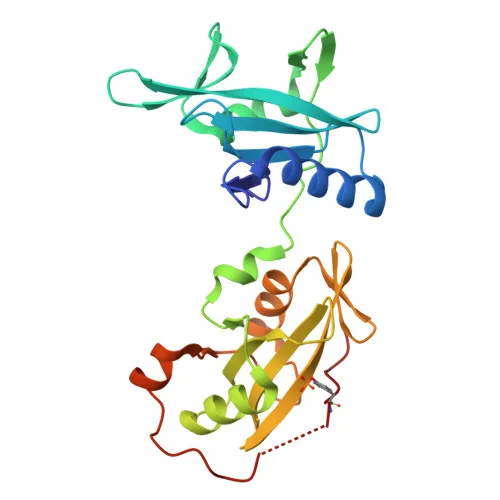
- PLCG1 contains SH2 and SH3 domains, which mediate protein-protein interactions with phosphotyrosine-containing receptors and downstream effectors, and it is regulated by phosphorylation and ubiquitination.
- Alternative splicing generates multiple PLCG1 isoforms, potentially contributing to functional diversity in different tissues and developmental stages.
Experimental Guidance and Technical Tips
- For western blotting, the predicted molecular weight is approximately 149 kDa; consider using a low-percentage acrylamide gel and adequate transfer times to ensure efficient detection.
- Validate antibody specificity in a relevant cell line (e.g., HeLa, Jurkat) using positive and negative controls. Cross-reactivity with mouse and rat samples may require species-specific optimization.
- In ELISA applications, this polyclonal antibody can be used as a capture or detection reagent. Pairing with a well-matched monoclonal antibody is recommended for sandwich ELISA development.
- The immunogen sequence (amino acids 700-800) lies within a region of PLCG1 that is highly conserved across human, mouse, and rat, supporting cross-species utility.
CamelBio: Your One-Stop Sourcing Bridge
CamelBio is a premier supplier of IVD raw materials, offering diagnostic manufacturers, laboratories, and research institutions end-to-end support from concept to clinic. The anti-PLCG1 antibody is an essential tool for research into cell signaling pathways with implications in cancer and immune disorders, and CamelBio can source validated antibody pairs, optimized monoclonal/polyclonal antibodies, bulk ancillary reagents, and rare targets to accelerate your development. For seamless procurement of high-quality raw materials tailored to your diagnostic needs, partner with CamelBio.
Product Datasheet
Anti-PLC Gamma 1 (PLCG1) Rabbit Polyclonal Antibody for WB, ELISA - P19174
REQUEST A QUOTE
Our professional team will reply to you within one business day. Please feel free to contact us!