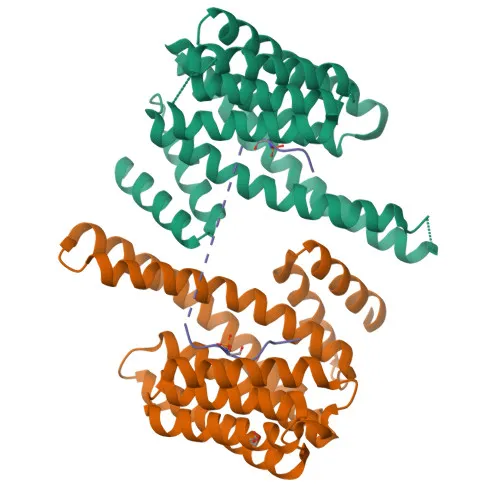
Monoclonal Antibodies
Anti-PKCε Rabbit Monoclonal Antibody for WB, ELISA - Q02156
Item Number : CM0006392
Price varies based on specs and customizations
- Application
- WB, ELISA
- Cross Reactivity
- Human, Mouse, Rat
- Protein Weight
- 84 kDa

Shipping:
Contact us to get shipping details Enjoy On-time Dispatch Guarantee.
Why Choose Us
Easy ordering process, quality products, and dedicated support for your business success.
Core Product Specifications and Parameters
| Parameter | Value |
|---|---|
| Product Name | PKCε Rabbit mAb |
| Remarks/Alias | PKCE; nPKC-epsilon; PKCε |
| Species | Human |
| Gene ID | 5581 |
| Immunogen | Recombinant fusion protein containing a sequence corresponding to amino acids 488-737 of human PKCε (NP_005391.1) |
| Source | Rabbit |
| Category | Monoclonal Antibodies |
| Application | WB, ELISA |
| Cross Reactivity | Human, Mouse, Rat |
| SWISS | Q02156 |
| Protein Weight | 84 kDa |
| Shipping | Ice bag |
Biological Background: PKCε Function and Localization
- Protein kinase C epsilon type (nPKC-epsilon), encoded by PRKCE, is a calcium-independent, DAG- and phospholipid-activated serine/threonine kinase localizing to cytoplasm, cytoskeletal structures, membrane, perinuclear region, and nucleus.
- Regulates cell adhesion, migration, and cytoskeletal reorganization by phosphorylating substrates including MARCKS, PTK2/FAK, vimentin, and keratin-8.
- Mediates cardiac functions: myocyte adhesion, contractility, and excitation coupling; persistent phosphorylation of troponin I (TNNI3) leads to dilated cardiomyopathy.
- Controls neuron morphological change and NGF-induced neurite outgrowth; modulates synaptic transmission via phosphorylation of GABRG2 and heat-sensitization of TRPV1.
- Transduces LPS/TLR4 immune signaling by activating TICAM2/TRAM and IRF3 to produce cytokines.
- Phosphorylates NLRP5/MATER in cumulus cells, potentially modulating AKT pathway activation. Related references: PMID:19542546
- Phosphorylates and activates LRRK1, regulating RAB protein-mediated intracellular trafficking. Related references: PMID:36040231
- Expressed at protein level in cumulus cells; belongs to the novel protein kinase C (nPKC) subfamily.
Experimental Guidance and Technical Tips
- The immunogen spans the C-terminal kinase domain (amino acids 488-737), a region conserved across human, mouse, and rat, which supports the observed cross-reactivity.
- For Western blot, a band around 84 kDa is expected (UniProt calculated mass: ~83.7 kDa). Use appropriate positive controls (e.g., HeLa, MCF7, or cardiac tissue lysates) and verify with known inhibitors or siRNA if needed.
- In ELISA, consider coating with full-length PKCε or the immunogen fragment; confirm specificity by comparing to knockout samples or blocking peptides if available.
- Due to PKCε’s involvement in multiple signaling pathways, always validate antibody specificity in your particular cell system and assay conditions.
CamelBio: Your One-Stop Sourcing Bridge
CamelBio supports your PKCε-related kinase signaling research and diagnostic development by offering this validated monoclonal antibody alongside complementary reagents and sourcing solutions. As a dedicated one-stop provider for the IVD industry, we supply validated antibody pairs, optimized monoclonal/polyclonal antibodies, bulk ancillary reagents, and customized sourcing for rare-target raw materials. From concept to clinic, we streamline your procurement process to accelerate your assay development in areas such as cancer invasion, cardiac biology, or neurobiology.
REQUEST A QUOTE
Our professional team will reply to you within one business day. Please feel free to contact us!