Monoclonal Antibodies
Anti-PKA C-alpha (PRKACA) Monoclonal Antibody (KD Validated) for WB, IF/ICC, ELISA - P17612
Item Number : CM0002385
Price varies based on specs and customizations
- Application
- WB, IF/ICC, ELISA
- Cross Reactivity
- Human, Mouse, Rat
- Protein Weight
- 41kDa

Shipping:
Contact us to get shipping details Enjoy On-time Dispatch Guarantee.
Why Choose Us
Easy ordering process, quality products, and dedicated support for your business success.
Core Product Specifications and Parameters
| Parameter | Value |
|---|---|
| Product Name | [KD Validated] PKA C-alpha (PRKACA) Mouse mAb |
| Remarks/Alias | CAFD1; PKACA; PPNAD4; A) |
| Species | Human |
| Gene ID (Human) | 5566 |
| Gene ID | 5566 |
| Immunogen | Recombinant protein of human [KD Validated] PKA C-alpha (PRKACA) |
| Source | Mouse |
| Category | Monoclonal Antibodies |
| Application | WB, IF/ICC, ELISA |
| Cross Reactivity | Human, Mouse, Rat |
| SWISS | P17612 |
| Protein Weight | 41kDa |
| Shipping | Ice bag |
Biological Background: PKA C-alpha (PRKACA) Function and Localization
-
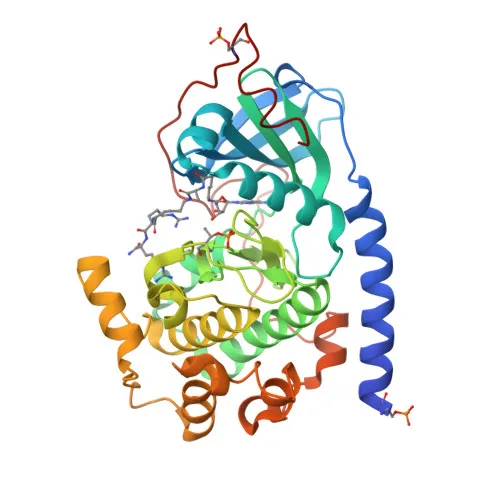
PRKACA encodes the catalytic subunit alpha of cAMP-dependent protein kinase (PKA), a serine/threonine kinase that phosphorylates numerous cytoplasmic and nuclear substrates, playing a central role in cAMP signaling cascades (PubMed:15642694, PubMed:15905176, PubMed:16387847). Related references: PMID:15642694 PMID:15905176 PMID:16387847
-
The enzyme modulates chromatin structure and transcription by phosphorylating histone H1.4 and the NF-kappa-B p50 subunit (NFKB1), influencing gene expression and DNA binding activity (PubMed:15178447, PubMed:15642694, PubMed:15905176). Related references: PMID:15178447 PMID:15642694 PMID:15905176
-
In platelets, PRKACA phosphorylates VASP to maintain circulating platelets in a resting state; upon disruption by thrombin or collagen, free active PRKACA promotes platelet aggregation (PubMed:15642694, PubMed:20356841). Related references: PMID:15642694 PMID:20356841
-
PRKACA acts as a key inhibitor of the smoothened signaling pathway by phosphorylating GLI transcription factors (GLI1, GLI2, GLI3), promoting their processing and preventing target gene activation in absence of hedgehog ligands (PubMed:16705181, PubMed:36202993, PubMed:39138140). Related references: PMID:16705181 PMID:36202993 PMID:39138140
-
Subcellularly, PRKACA localizes to the cytoplasm, nucleus, cell membrane, mitochondria, and specific projections like cilia and flagella, reflecting its diverse regulatory roles. Tissue expression is isoform-specific: isoform 1 is ubiquitous, while isoform 2 is sperm-specific and enriched in pachytene spermatocytes.
-
Post-translational modifications including N-terminal myristoylation and phosphorylation regulate its catalytic activity, subcellular targeting, and stability. Alternative splicing gives rise to the distinct isoforms.
Experimental Guidance and Technical Tips
- This antibody was generated using recombinant human PRKACA protein; it cross-reacts with human, mouse, and rat, making it suitable for studies across these species. Validate endogenous expression levels in your model system before quantitative analyses.
- For WB, the expected molecular weight is approximately 41 kDa; include appropriate positive and negative controls (e.g., PRKACA-overexpressing and siRNA-treated lysates) to confirm band specificity.
- For IF/ICC, consider fixation/permeabilization protocols that preserve antigenicity; expect cytoplasmic and nuclear staining patterns consistent with reported localization.
- For ELISA, titrate the antibody for optimal signal-to-noise ratio and pair with a suitable secondary antibody; validate performance using recombinant protein or cell lysates.
- KD validated status indicates that antibody specificity has been confirmed using siRNA- or shRNA-mediated knockdown approaches; consider including knockdown controls in your assays to further verify signal dependency on target expression.
CamelBio: Your One-Stop Sourcing Bridge
CamelBio provides diagnostic manufacturers and research laboratories with a comprehensive portfolio of IVD raw materials, including validated antibodies like this anti-PKA C-alpha (PRKACA) monoclonal antibody for cAMP signaling and kinase research. Our one-stop sourcing bridges the gap from concept to clinic, offering optimized antibody pairs, bulk ancillary reagents, and custom rare-target raw material sourcing to accelerate your assay development and procurement workflows.
REQUEST A QUOTE
Our professional team will reply to you within one business day. Please feel free to contact us!