Phosphorylated Antibodies
Anti-Phospho-VASP-S239 Polyclonal Antibody for WB, IHC-P, ELISA - P50552
Item Number : CM0000769
Price varies based on specs and customizations
- Application
- WB, IHC-P, ELISA
- Cross Reactivity
- Human, Mouse, Rat
- Protein Weight
- 40kDa

Shipping:
Contact us to get shipping details Enjoy On-time Dispatch Guarantee.
Why Choose Us
Easy ordering process, quality products, and dedicated support for your business success.
Core Product Specifications and Parameters
| Specification | Details |
|---|---|
| Product Name | Phospho-VASP-S239 Rabbit pAb |
| Remarks/Alias | VASP; Phospho-VASP-S239 |
| Species | Human |
| GeneID (human) | 7408 |
| GeneID | 7408 |
| Immunogen | Synthetic peptide; A synthetic phosphorylated peptide around S239 of human VASP (NP_003361.1) |
| Source | Rabbit |
| Category | Phosphorylated Antibodies |
| Application | WB, IHC-P, ELISA |
| Cross Reactivity | Human, Mouse, Rat |
| SWISS | P50552 |
| Protein Weight | 40kDa |
| Shipping | Ice bag |
Biological Background: VASP Function and Localization
- VASP (Vasodilator-stimulated phosphoprotein) is an actin-associated protein belonging to the Ena/VASP family, which plays critical roles in actin cytoskeleton dynamics and cell polarity.
- VASP promotes actin filament elongation by protecting barbed ends from capping proteins and increasing polymerization rates, thereby regulating lamellipodial and filopodial dynamics, platelet activation, and cell migration.
- In platelets, where it is highly expressed, VASP regulates actin dynamics and plays an important role in platelet aggregation.
- VASP localizes to focal adhesions, tight junctions, and the membrane of lamellipodia and filopodia, functioning at sites of dynamic actin remodeling.
- VASP is a phosphoprotein; phosphorylation at regulatory sites modulates its functions in actin assembly, with S239 being a key target for kinase signaling.
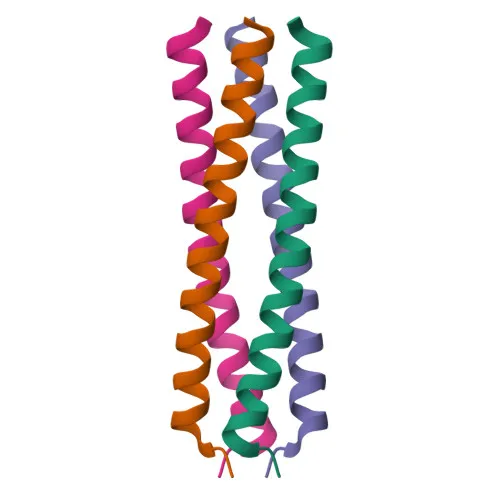
- The protein contains coiled-coil and SH3-binding domains that mediate protein-protein interactions essential for cytoskeletal organization and cell motility.
- VASP also contributes to actin-based motility of pathogens such as Listeria monocytogenes in host cells.
Experimental Guidance and Technical Tips
- Because the immunogen is a synthetic phospho-peptide, include phosphatase inhibitors during sample preparation to preserve phosphorylation marks for accurate detection.
- Validate phospho-specificity in Western blot by treating samples with lambda phosphatase; a loss of signal confirms dependence on S239 phosphorylation.
- For IHC-P, optimize antigen retrieval conditions gently, as excessive heat may disrupt the phosphate group; consider using a low-temperature retrieval method.
- Check sequence homology of the peptide region in mouse and rat to confirm expected cross-reactivity; slight mismatches may affect binding affinity.
- Always run non-phosphorylated and phosphorylated controls in parallel to distinguish total protein from phosphorylated signals.
CamelBio: Your One-Stop Sourcing Bridge
CamelBio provides diagnostic manufacturers, laboratories, and research institutes with a seamless, one-stop sourcing experience for IVD raw materials, technical services, and consulting—from concept to clinic. This anti-Phospho-VASP-S239 antibody supports research into cytoskeletal dynamics, platelet biology, and cell migration, enabling the development of robust assays for related disorders. Beyond this product, we offer validated antibody pairs, optimized monoclonal/polyclonal antibodies, bulk ancillary reagents, and rare-target raw-material sourcing to accelerate your diagnostic and research projects.
REQUEST A QUOTE
Our professional team will reply to you within one business day. Please feel free to contact us!