Phosphorylated Antibodies
Anti-Phospho-VASP-S157 Rabbit Polyclonal Antibody for WB, IHC-P, IP, ELISA - P50552
Item Number : CM0000791
Price varies based on specs and customizations
- Application
- WB, IHC-P, IP, ELISA
- Cross Reactivity
- Human, Mouse, Rat
- Protein Weight
- 40kDa

Shipping:
Contact us to get shipping details Enjoy On-time Dispatch Guarantee.
Why Choose Us
Easy ordering process, quality products, and dedicated support for your business success.
Core Product Specifications and Parameters
| Parameter | Value |
|---|---|
| Product Name | Phospho-VASP-S157 Rabbit pAb |
| Remarks/Alias | VASP; Phospho-VASP-S157 |
| Species | Human |
| GeneID (human) | 7408 |
| GeneID | 7408 |
| Immunogen | Synthetic phosphorylated peptide around S157 of human VASP (NP_003361.1) |
| Source | Rabbit |
| Category | Phosphorylated Antibodies |
| Application | WB, IHC-P, IP, ELISA |
| Cross Reactivity | Human, Mouse, Rat |
| SWISS | P50552 |
| Protein Weight | 40kDa |
| Shipping | Ice bag |
Biological Background: VASP Function and Localization
- VASP (vasodilator-stimulated phosphoprotein) is a member of the Ena/VASP family of actin-associated proteins, playing a fundamental role in cytoskeleton remodeling.
- It promotes actin filament elongation by protecting barbed ends of growing filaments from capping proteins and increasing polymerization rates via profilin-actin transfer.
- VASP is essential for processes requiring cell polarity and motility, including axon guidance, lamellipodial and filopodial dynamics, and cell migration.
- In platelets, VASP critically regulates actin dynamics required for platelet activation and aggregation, a process of high physiological relevance.
- Subcellularly, VASP localizes to the cytoplasm, focal adhesions, tight junctions, and the tips of lamellipodia and filopodia, consistent with its cytoskeletal functions.
- VASP is a phosphoprotein; phosphorylation at specific residues, including Ser157, modulates its activity and subcellular targeting.
- Highly expressed in platelets, consistent with its role in platelet biology.
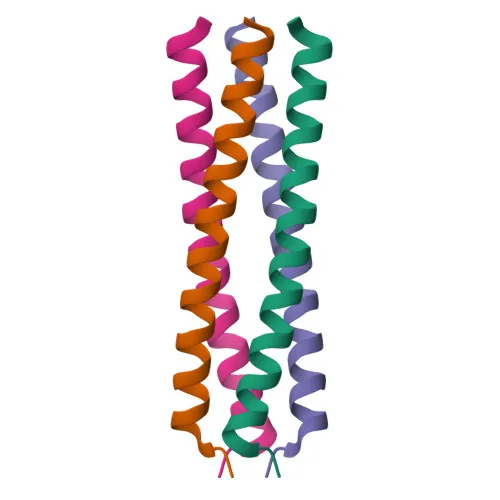
- Structurally, VASP features an EVH1 domain, a proline-rich region, and an EVH2 domain; its coiled-coil region mediates tetramerization and it contains an SH3-binding motif.
Experimental Guidance and Technical Tips
- Since this antibody targets a phosphorylation site, always include phosphatase inhibitors in lysis buffers for WB to preserve the phospho-signal. Validate specificity using phosphatase-treated control lysates or blocking peptides.
- For WB, consider an initial dilution range of 1:500–1:2000 and optimize based on your sample type. Platelet lysates serve as excellent positive controls due to high VASP expression.
- For IHC-P, antigen retrieval using citrate buffer (pH 6.0) is often beneficial. Include appropriate controls to confirm phospho-specific staining.
- When performing IP, use freshly prepared lysates and confirm immunoprecipitation efficiency by probing blots with a total VASP antibody.
- Cross-reactivity is reported for human, mouse, and rat; verify performance in your target species and tissue model.
CamelBio: Your One-Stop Sourcing Bridge
CamelBio provides a comprehensive portfolio of IVD raw materials, including this phospho-VASP-S157 antibody, to support diagnostic and research applications in actin dynamics, platelet biology, and thrombosis. As your strategic sourcing partner, we offer validated antibody pairs, optimized monoclonal and polyclonal antibodies, and bulk ancillary reagents, helping you streamline assay development from concept to clinic. Whether you need rare target raw materials or reliable large-scale supply, contact CamelBio for expert assistance.
REQUEST A QUOTE
Our professional team will reply to you within one business day. Please feel free to contact us!