Phosphorylated Antibodies
Anti-Phospho-β-Catenin-S45 Rabbit Polyclonal Antibody for WB, ELISA - P35222
Item Number : CM0000912
Price varies based on specs and customizations
- Application
- WB, ELISA
- Cross Reactivity
- Human, Mouse, Rat
- Protein Weight
- 85kDa

Shipping:
Contact us to get shipping details Enjoy On-time Dispatch Guarantee.
Why Choose Us
Easy ordering process, quality products, and dedicated support for your business success.
Core Product Specifications and Parameters
| Parameter | Value |
|---|---|
| Product Name | Phospho-β-Catenin-S45 Rabbit pAb |
| Remarks/Alias | EVR7; CTNNB; MRD19; NEDSDV; armadillo; Phospho-β-Catenin-S45 |
| Species | Human |
| GeneID (Human) | 1499 |
| GeneID | 1499 |
| Immunogen | A synthetic phosphorylated peptide around S45 of human β-catenin (NP_001091679) |
| Source | Rabbit |
| Category | Phosphorylated Antibodies |
| Application | WB, ELISA |
| Cross Reactivity | Human, Mouse, Rat |
| SWISS | P35222 |
| Protein Weight | 85kDa |
| Shipping | Ice bag |
Biological Background: β-Catenin Function and Localization
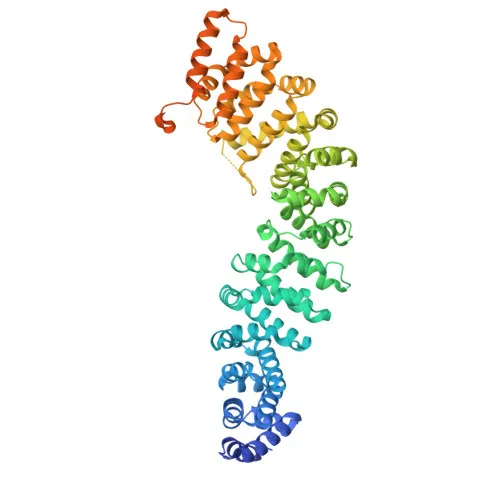
- β-catenin (catenin beta-1) is a key downstream effector of the canonical Wnt signaling pathway. In the absence of Wnt, it forms a destruction complex with AXIN1/2, APC, CSNK1A1, and GSK3B that phosphorylates its N-terminal Ser/Thr residues, leading to ubiquitination by BTRC and proteasomal degradation. In the presence of Wnt ligands, β-catenin escapes degradation, accumulates in the nucleus, and acts as a coactivator for TCF/LEF transcription factors to activate Wnt target genes.
Related references: PMID:17524503 PMID:18077326 PMID:18086858 - Beyond Wnt signaling, β-catenin also functions as a transcriptional coactivator for other factors, such as NR5A2, and promotes epithelial–mesenchymal transition (EMT) by driving CTNNB1/TCF target genes.
Related references: PMID:22187462 PMID:29910125 - As a component of the E-cadherin:catenin adhesion complex, β-catenin mediates cell–cell adhesion at adherens junctions, linking cadherins to the actin cytoskeleton.
- β-catenin is localized to multiple subcellular compartments, including the cytoplasm, nucleus, adherens junctions, cell membrane, centrosome, spindle pole, and synapse, reflecting its diverse roles in signaling, adhesion, and polarity.
- Post‑translational modifications regulate its stability and activity: phosphorylated at N-terminal Ser/Thr residues for degradation, acetylated, S-nitrosylated, and ubiquitinated; it is also subject to sumoylation‑mediated regulation. Keywords from UniProt include phosphoprotein, glycoprotein, and Ubl conjugation.
- Tissue expression analysis shows β‑catenin in hair follicle cell types (basal and peripheral matrix, outer/inner root sheath), colon, cortical neurons, and breast cancer tissues.
Related references: PMID:29367600 - The CTNNB1 gene is associated with various diseases, including cancer (by rearrangements or stabilizing mutations), intellectual disability, and other developmental disorders.
Experimental Guidance and Technical Tips
- This antibody was raised against a synthetic phosphopeptide around Ser45 of human β‑catenin; it is expected to specifically recognize β‑catenin phosphorylated at Ser45, but not the unmodified protein. For endogenous detection, include phosphatase inhibitors during sample preparation.
- Based on the supplier’s data, the antibody is suitable for Western blot (WB) and ELISA applications. For WB, validate the predicted band around 85‑kDa in positive control lysates (e.g., Wnt‑stimulated or GSK3‑inhibited cells).
- The antibody shows cross‑reactivity with mouse and rat β‑catenin, making it useful across common model organisms. Always confirm specificity in your system by using phosphatase‑treated samples or specific blocking peptides.
- Since β‑catenin phosphorylation status changes rapidly with cell treatment, careful experimental timing and cell handling are critical; consider using a β‑catenin stabilization protocol if total levels also need comparison.
- This product is shipped on ice to preserve activity; store aliquots at recommended temperatures and avoid freeze–thaw cycles.
- For ELISA, optimize coating concentrations and detection conditions using standard phospho‑peptide versus non‑phospho‑peptide controls to ensure phospho‑site specificity.
CamelBio: Your One-Stop Sourcing Bridge
CamelBio partners with diagnostic manufacturers and research institutions to provide integrated access to high-quality IVD raw materials. For projects targeting β‑catenin phosphorylation in Wnt signaling and oncology, we can source validated antibody pairs, recombinant proteins, and ancillary reagents—helping you streamline assay development from concept to clinic. Whether you need optimized monoclonal antibodies, bulk ancillary reagents, or rare‑target sourcing, our one‑stop platform supports your entire workflow.
REQUEST A QUOTE
Our professional team will reply to you within one business day. Please feel free to contact us!