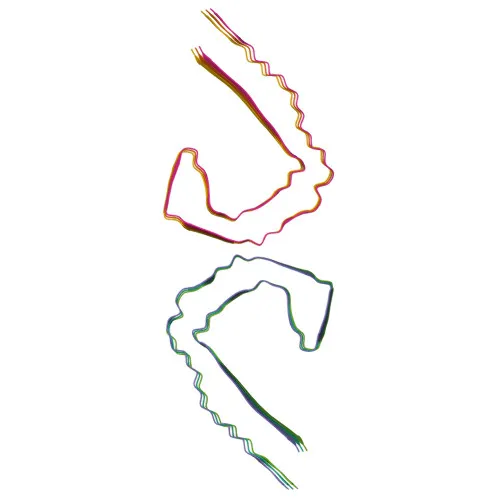
Phosphorylated Antibodies
Anti-Phospho-Tau-Thr212/Ser214 Rabbit Polyclonal Antibody for WB, ELISA - P10636
Item Number : CM0000467
Price varies based on specs and customizations
- Application
- WB, ELISA
- Cross Reactivity
- Human, Mouse
- Protein Weight
- 79 kDa

Shipping:
Contact us to get shipping details Enjoy On-time Dispatch Guarantee.
Why Choose Us
Easy ordering process, quality products, and dedicated support for your business success.
Core Product Specifications and Parameters
| Parameter | Value |
|---|---|
| Product Name | Phospho-Tau-Thr212/Ser214 Rabbit pAb |
| Remarks/Alias | TAU; MSTD; PPND; DDPAC; MAPTL; MTBT1; MTBT2; tau-40; FTDP-17; PPP1R103; Tau-PHF6; Phospho-Tau-Thr212/Ser214 |
| Species | Human |
| GeneID | 4137 (Human) |
| Immunogen | Synthetic phosphorylated peptide around T529 & S531 of human Tau (NP_058519.3) |
| Source | Rabbit |
| Category | Phosphorylated Antibodies |
| Application | WB, ELISA |
| Cross Reactivity | Human, Mouse |
| SWISS | P10636 |
| Protein Weight | 79 kDa |
| Shipping | Ice bag |
Biological Background: Tau Function and Localization
- MAPT alternative splicing produces multiple tau isoforms; shorter isoforms confer cytoskeletal plasticity while longer isoforms promote microtubule stabilization.
- Tau promotes microtubule assembly and stability and is implicated in establishing and maintaining neuronal polarity.
Related references:
PMID:21985311 - The C‑terminus binds axonal microtubules and the N‑terminus binds neural plasma membrane components, suggesting tau acts as a linker protein between both structures.
Related references:
PMID:21985311
PMID:32961270 - Subcellularly, tau localizes to the cytoplasm, cytosol, cell membrane, cytoskeleton, axons, and dendrites; it can also be secreted.
- Expressed predominantly in neurons; the PNS-tau isoform is found in the peripheral nervous system, whereas others are central nervous system-specific.
- Tau undergoes extensive post‑translational modifications, including phosphorylation (this antibody targets phospho‑Thr212/Ser214), acetylation, glycation, methylation, and ubiquitination.
- Hyperphosphorylated tau is a hallmark of Alzheimer disease and other tauopathies (keyword: Alzheimer disease, Neurodegeneration, Phosphoprotein).
Experimental Guidance and Technical Tips
- The immunogen is a synthetic phosphorylated peptide; verify phospho‑specificity using phosphatase‑treated samples or a non‑phosphopeptide blocking control.
- For western blot, separate samples on a low‑percentage gel to resolve the ~79 kDa full‑length protein; inclusion of phosphatase inhibitors in lysis buffer is critical to preserve phospho‑epitopes.
- In ELISA, consider both direct and sandwich formats; the antibody’s performance may vary depending on the coating antigen and detection system—validate in your own matrix.
- Since the antibody cross‑reacts with mouse tau, it is suitable for transgenic mouse models of tauopathy; however, confirm species‑specific band patterns before quantitative analyses.
CamelBio: Your One-Stop Sourcing Bridge
CamelBio provides diagnostic manufacturers and research laboratories with consolidated access to high‑quality IVD raw materials, supporting assay development from concept to clinic. This anti‑phospho‑tau antibody is an excellent choice for Alzheimer’s biomarker detection and tauopathy research, and we can supply it together with matched antibody pairs, bulk ancillary reagents, and expert technical consultation. For projects requiring rare‑target antibodies or custom immunoassay raw‑material sourcing, CamelBio’s integrated supply chain streamlines procurement and accelerates your development timeline.
REQUEST A QUOTE
Our professional team will reply to you within one business day. Please feel free to contact us!