Phosphorylated Antibodies
Anti-Phospho-STK3/STK4-T180/T183 Polyclonal Antibody for WB and ELISA - Q13188 / Q13043
Item Number : CM0001696
Price varies based on specs and customizations
- Application
- WB, ELISA
- Cross Reactivity
- Human, Mouse, Rat
- Protein Weight
- 56kDa

Shipping:
Contact us to get shipping details Enjoy On-time Dispatch Guarantee.
Why Choose Us
Easy ordering process, quality products, and dedicated support for your business success.
Core Product Specifications and Parameters
| Parameter | Value |
|---|---|
| Product Name | Phospho-STK3/STK4-T180/T183 Rabbit pAb |
| Remarks/Alias | KRS1; MST2; KRS2; MST1; YSK3 |
| Species | Human |
| GeneID (Human) | 6788/6789 |
| GeneID | 6788/6789 |
| Immunogen | Synthetic peptide | A synthetic phosphorylated peptide around T180 of human STK3/STK4STK3 (NP_006272.2) |
| Source | Rabbit |
| Category | Phosphorylated Antibodies |
| Application | WB, ELISA |
| Cross Reactivity | Human, Mouse, Rat |
| SWISS | Q13188/Q13043 |
| Protein Weight | 56kDa |
| Shipping | Ice bag |
Biological Background: STK3/STK4 Function and Localization
-
STK3 (Serine/threonine-protein kinase 3), also known as MST2 (Mammalian STE20-like protein kinase 2) and Krs-1, is a stress-activated, pro-apoptotic kinase that, upon caspase cleavage, translocates to the nucleus to induce chromatin condensation and DNA fragmentation. Related references: PMID:11278283, PMID:8566796, PMID:8816758
-
As a core component of the Hippo signaling pathway, STK3/MST2 partners with STK4/MST1 and the scaffold protein SAV1 to phosphorylate and activate LATS1/2 kinases, which then phosphorylate and inactivate the oncoproteins YAP1 and WWTR1/TAZ, thereby restricting proliferation and promoting apoptosis to control organ size and suppress tumors. Related references: PMID:15688006, PMID:16930133, PMID:23972470
-
STK3 localizes to the cytoplasm, nucleus, and centrosome, and plays a role in centrosome disjunction by phosphorylating NEK2 and regulating its localization to the centrosome, which is essential for proper mitotic progression. Related references: PMID:21076410, PMID:21723128
-
STK3 positively regulates the RAF1 kinase by suppressing the inhibitory phosphorylation of RAF1 at Ser-259, thereby promoting MAPK signaling. Related references: PMID:20212043
-
Together with SAV1, STK3 modulates the transcriptional activity of estrogen receptor alpha (ESR1) by altering its phosphorylation status. Related references: PMID:21104395
-
STK3 phosphorylates MOBKL1A, RASSF2, and MOBKL1B, and acts cooperatively with MOBKL1B to activate the related kinase STK38, expanding its regulatory network. Related references: PMID:19525978, PMID:18328708, PMID:18362890
-
The kinase is expressed at high levels in adult kidney, skeletal muscle, and placenta, with low levels in heart, lung, and brain, indicating tissue-specific functions.
-
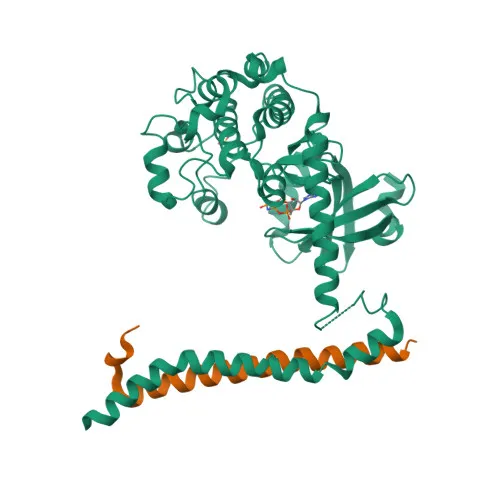
STK3 is regulated by multiple post-translational modifications including acetylation, phosphorylation, and ubiquitination, and its crystal structure has been determined, underscoring its importance as a signaling kinase.
Experimental Guidance and Technical Tips
- This antibody was raised against a synthetic phosphopeptide corresponding to residues around Thr180 of human STK3/STK4; therefore, it specifically recognizes the phosphorylated (activated) form of these kinases.
- For Western blot, prepare lysates in the presence of phosphatase inhibitors to preserve the phosphorylation signal, and consider treating a control sample with lambda phosphatase to confirm specificity.
- Based on the immunogen design, the antibody is likely suitable for detecting STK3 and STK4 in human, mouse, and rat samples; validation in the relevant cell or tissue system is recommended.
- In addition to WB, the antibody can be used in ELISA; however, optimal dilutions and conditions should be determined empirically.
CamelBio: Your One-Stop Sourcing Bridge
- CamelBio is a dedicated partner for diagnostic manufacturers and research laboratories, offering one-stop access to high-quality IVD raw materials, technical services, and consulting—from concept to clinic. This anti-phospho-STK3/STK4 antibody supports research into the Hippo tumor suppressor pathway and apoptosis. Beyond this product, we supply validated antibody pairs, recombinant proteins, and ancillary reagents to streamline your assay development and production.
REQUEST A QUOTE
Our professional team will reply to you within one business day. Please feel free to contact us!