Phosphorylated Antibodies
Anti-Phospho-SMC1 (S957) Rabbit Polyclonal Antibody for WB, IHC-P, IP, ELISA - Q14683
Item Number : CM0001726
Price varies based on specs and customizations
- Application
- WB, IHC-P, IP, ELISA
- Cross Reactivity
- Human, Mouse, Rat
- Protein Weight
- 143kDa

Shipping:
Contact us to get shipping details Enjoy On-time Dispatch Guarantee.
Why Choose Us
Easy ordering process, quality products, and dedicated support for your business success.
Easy Process
Quality Assured
Dedicated Support
Core Product Specifications and Parameters
| Parameter | Value |
|---|---|
| Product Name | Phospho-SMC1-S957 Rabbit pAb |
| Remarks/Alias | SMC1; SMCB; CDLS2; DEE85; SB1.8; EIEE85; SMC1L1; DXS423E; SMC1alpha; Phospho-SMC1-S957 |
| Species | Human |
| Gene ID (Human) | 8243 |
| Gene ID | 8243 |
| Immunogen | A synthetic phosphorylated peptide around S957 of human SMC1A (NP_006297.2). |
| Source | Rabbit |
| Category | Phosphorylated Antibodies |
| Application | WB, IHC-P, IP, ELISA |
| Cross Reactivity | Human, Mouse, Rat |
| SWISS | Q14683 |
| Protein Weight | 143kDa |
| Shipping | Ice bag |
Biological Background: SMC1A Function and Localization
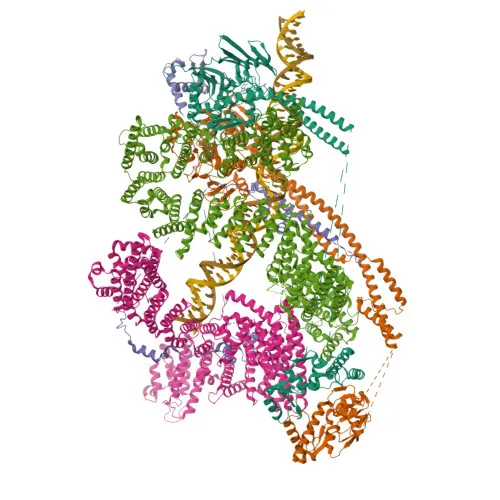
- SMC1A (structural maintenance of chromosomes protein 1A, also known as Sb1.8) is a core component of the cohesin complex, which mediates sister chromatid cohesion after DNA replication to ensure proper chromosome segregation.
- The cohesin complex forms a large ring-like structure that entraps sister chromatids; its cleavage at anaphase triggers chromatid disjunction and mitotic progression.
- SMC1A plays a critical role in DNA repair by interacting with BRCA1 and undergoing phosphorylation by the ATM and ATR kinases, acting as a downstream effector in the S-phase checkpoint.
- The protein localizes to the nucleus, chromosome, centromere, and kinetochore, positioning it at key chromosomal domains for cohesion and repair.
- Post-translational modifications include phosphorylation (e.g., at S957 in response to DNA damage), acetylation, and ubiquitination, which regulate its functions in chromatin dynamics.
- Disease-associated variants in SMC1A are linked to Cornelia de Lange syndrome, epileptic encephalopathy, and intellectual disability, highlighting its importance in development and neurobiology.
Experimental Guidance and Technical Tips
- Because this antibody recognizes a phosphorylation-dependent epitope, always include phosphatase-treated samples or non-phosphorylated peptide competition as negative controls to confirm phospho-specificity.
- For Western blot, consider using mild sample preparation (e.g., without boiling or with gentle reducing conditions) and verify the stability of the phosphorylation signal under your experimental conditions.
- This antibody is validated for WB, IHC-P, IP, and ELISA; titrate and optimize dilutions for each application and validate in the relevant species (human, mouse, rat).
- To induce SMC1A S957 phosphorylation, treat cells with DNA-damaging agents or replication stress inducers, and monitor signal changes as a functional readout.
CamelBio: Your One-Stop Sourcing Bridge
- CamelBio supplies a broad portfolio of IVD raw materials, including phospho-specific antibodies, recombinant proteins, and bulk ancillary reagents, to support assay developers from R&D to clinical manufacturing.
- For researchers focused on cohesin biology, DNA damage response, or cell cycle regulation, CamelBio offers access to validated antibody pairs and optimized monoclonal/polyclonal antibodies against key targets like SMC1A.
- As a dedicated B2B partner, CamelBio provides technical consulting and scalable sourcing solutions, ensuring a reliable supply chain for your IVD kit development.
REQUEST A QUOTE
Our professional team will reply to you within one business day. Please feel free to contact us!