Phosphorylated Antibodies
Anti-Phospho-S6 Ribosomal Protein (RPS6)-S240/244 Rabbit pAb for WB, IHC-P, IP, ELISA - P62753
Item Number : CM0000650
Price varies based on specs and customizations
- Application
- WB, IHC-P, IP, ELISA
- Cross Reactivity
- Human, Mouse, Rat
- Protein Weight
- 29kDa

Shipping:
Contact us to get shipping details Enjoy On-time Dispatch Guarantee.
Why Choose Us
Easy ordering process, quality products, and dedicated support for your business success.
Core Product Specifications and Parameters
| Parameter | Value |
|---|---|
| Product Name | Phospho-S6 Ribosomal Protein (RPS6)-S240/244 Rabbit pAb |
| Remarks/Alias | S6; eS6; Phospho-S6 Ribosomal Protein (RPS6)-S240/244 |
| Species | Human |
| GeneID (Human) | 6194 |
| GeneID | 6194 |
| Immunogen | Synthetic peptide - A synthetic phosphorylated peptide around S240 & S244 of human RPS6 (NP_001001.2). |
| Source | Rabbit |
| Category | Phosphorylated Antibodies |
| Application | WB, IHC-P, IP, ELISA |
| Cross Reactivity | Human, Mouse, Rat |
| SWISS | P62753 |
| Protein Weight | 29kDa |
| Shipping | Ice bag |
Biological Background: RPS6 Function and Localization
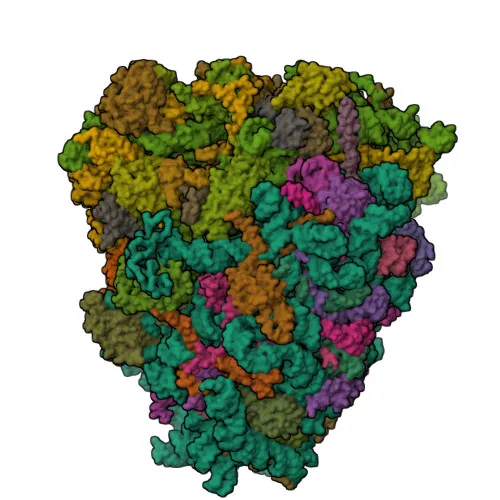
- RPS6 encodes the 40S ribosomal protein S6 (also known as phosphoprotein NP33), a core component of the small (40S) ribosomal subunit.
- Essential for cell growth and proliferation control through selective translation of mRNA classes, especially those containing 5' terminal oligopyrimidine (TOP) motifs. Related references: PMID:17220279
- During ribosome biogenesis, RPS6 is part of the small subunit (SSU) processome in the nucleolus, contributing to pre-rRNA folding, modification, and processing. Related references: PMID:34516797
- Subcellular localization spans the cytoplasm, nucleus, and nucleolus, reflecting its dual roles in mRNA translation and ribosome assembly.
- Subject to extensive post-translational modifications, including phosphorylation at multiple residues (e.g., Ser240/244), acetylation, ADP-ribosylation, and hydroxylation; phosphorylation is key for translation regulation.
- Classified as a phosphoprotein, ribonucleoprotein, and part of the reference proteome; widely studied as a downstream effector of mTOR signaling.
Experimental Guidance and Technical Tips
- Since the immunogen is a synthetic phospho-peptide corresponding to phosphorylated Ser240 and Ser244, the antibody is expected to specifically detect RPS6 only when dually phosphorylated. Validate specificity by comparing signals from treated vs. untreated cells or using phosphatase treatment.
- For Western blotting, use phospho-preserving lysis buffers supplemented with phosphatase inhibitors. Optimize antibody dilution (e.g., 1:500–1:2000) in a relevant cell line stimulated with serum or growth factors to induce RPS6 phosphorylation.
- In immunohistochemistry (IHC-P), antigen retrieval conditions may influence epitope accessibility. Always include both positive (stimulated tissue) and negative (non-phosphorylated blocking peptide) controls.
- For immunoprecipitation (IP), consider cross-linking the antibody to beads to avoid heavy/light chain interference at ~29 kDa. ELISA may be used for quantification of phospho-RPS6 in cell lysates, but confirm linearity and specificity.
CamelBio: Your One-Stop Sourcing Bridge
CamelBio serves as a comprehensive one-stop sourcing partner for IVD raw materials, connecting diagnostic manufacturers and research laboratories with high-quality antibodies like this phospho-specific RPS6(S240/244) polyclonal antibody. In the translational control and cell signaling field, we supply validated antibody pairs, optimized monoclonal/polyclonal reagents, bulk ancillary materials, and even rare-target sourcing to accelerate your assay development from concept to clinic.
Product Datasheet
Anti-Phospho-S6 Ribosomal Protein (RPS6)-S240/244 Rabbit pAb for WB, IHC-P, IP, ELISA - P62753
REQUEST A QUOTE
Our professional team will reply to you within one business day. Please feel free to contact us!