Phosphorylated Antibodies
Anti-Phospho-RPA2-Ser33 Rabbit Monoclonal Antibody for WB, IF-P, IHC-P, ELISA - P15927
Item Number : CM0000857
Price varies based on specs and customizations
- Application
- WB, IF-P, IHC-P, ELISA
- Cross Reactivity
- Mouse, Rat
- Protein Weight
- 29 kDa

Shipping:
Contact us to get shipping details Enjoy On-time Dispatch Guarantee.
Why Choose Us
Easy ordering process, quality products, and dedicated support for your business success.
Core Product Specifications and Parameters
| Parameter | Value |
|---|---|
| Product Name | Phospho-RPA2-Ser33 Rabbit mAb |
| Remarks/Alias | REPA2; RPA32; RP-A p32; RP-A p34 |
| Species | Human |
| GeneID | 6118 |
| Immunogen | Synthetic phosphorylated peptide around Ser33 of human RPA2 (NP_002937.1). |
| Source | Rabbit |
| Category | Phosphorylated Antibodies |
| Application | WB, IF-P, IHC-P, ELISA |
| Cross Reactivity | Mouse, Rat |
| SWISS | P15927 |
| Protein Weight | 29 kDa |
| Shipping | Ice bag |
Biological Background: Replication protein A 32 kDa subunit Function and Localization
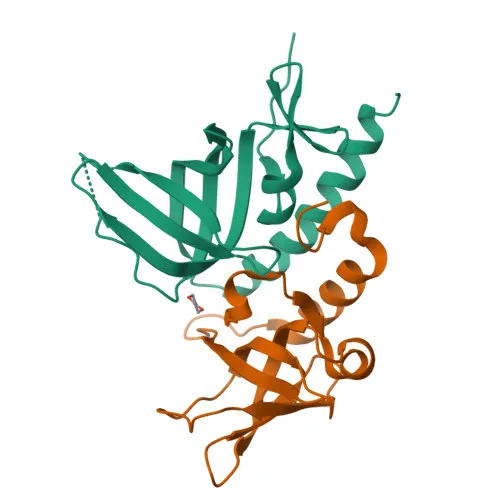
- RPA2 is the 32 kDa subunit of the heterotrimeric replication protein A (RPA) complex, which also includes RPA1 (70 kDa) and RPA3 (14 kDa). It is also known as replication factor A protein 2 (RF-A protein 2) and RP-A p34.
- The RPA complex binds and stabilizes single-stranded DNA (ssDNA) during DNA replication and after DNA damage, preventing reannealing and recruiting key proteins for DNA metabolism.
- In the DNA damage response, RPA2 facilitates the recruitment of ATRIP, which activates the ATR kinase, a master regulator of checkpoint signaling.
- RPA2 is essential for the recruitment of DNA repair factors like RAD51, RAD52, XPA, and XPG to chromatin at sites of DNA damage, enabling homologous recombination and nucleotide excision repair.
- The complex also plays a role in base excision repair (BER), likely through interaction with UNG, and stimulates the 5'-3' helicase activity of BRIP1/FANCJ to promote replication fork restart. Related references: PMID:17596542
- RPA2 localizes predominantly to the nucleus and can be found in PML nuclear bodies.
- Post-translational modifications, including phosphorylation at Ser33, acetylation, and ubiquitination, regulate RPA2's functions in DNA repair and replication.
- Alternative splicing of RPA2 yields multiple isoforms, contributing to functional diversity.
Experimental Guidance and Technical Tips
- For Western blot (WB), validate phospho-specificity by comparing signals between treated and untreated samples or using lambda phosphatase treatment.
- In immunofluorescence (IF-P) and immunohistochemistry (IHC-P), optimize fixation and permeabilization conditions to preserve the phosphorylation epitope, as over-fixation may mask the target.
- When using ELISA, consider pairing this phospho-specific antibody with a total RPA2 antibody to normalize for protein loading and assess phosphorylation stoichiometry.
- Although cross-reactive with mouse and rat RPA2, confirm sequence homology around Ser33 in these species to ensure consistent recognition.
CamelBio: Your One-Stop Sourcing Bridge
CamelBio specializes in providing IVD raw materials and one-stop sourcing solutions for diagnostic developers and research laboratories. For DNA replication and repair targets like RPA2, we supply validated antibody pairs, bulk ancillary reagents, and custom monoclonal/polyclonal antibody development services. From phospho-specific reagents to total protein antibodies, CamelBio streamlines your procurement from concept to clinic.
REQUEST A QUOTE
Our professional team will reply to you within one business day. Please feel free to contact us!