Phosphorylated Antibodies
Anti-Phospho-Raptor-Ser792 Rabbit Polyclonal Antibody for WB and ELISA - Q8N122
Item Number : CM0000850
Price varies based on specs and customizations
- Application
- WB, ELISA
- Cross Reactivity
- Human, Mouse
- Protein Weight
- 149kDa

Shipping:
Contact us to get shipping details Enjoy On-time Dispatch Guarantee.
Why Choose Us
Easy ordering process, quality products, and dedicated support for your business success.
Core Product Specifications and Parameters
| Parameter | Value |
|---|---|
| Product Name | Phospho-Raptor-Ser792 Rabbit pAb |
| Remarks/Alias | KOG1; Mip1; Phospho-Raptor-Ser792 |
| Species | Human |
| GeneID (Human) | 57521 |
| GeneID | 57521 |
| Immunogen | A synthetic phosphorylated peptide around S792 of human RPTOR (NP_065812.1). |
| Source | Rabbit |
| Category | Phosphorylated Antibodies |
| Application | WB, ELISA |
| Cross Reactivity | Human, Mouse |
| SWISS | Q8N122 |
| Protein Weight | 149kDa |
| Shipping | Ice bag |
Biological Background: Phospho-Raptor (Ser792) Function and Localization
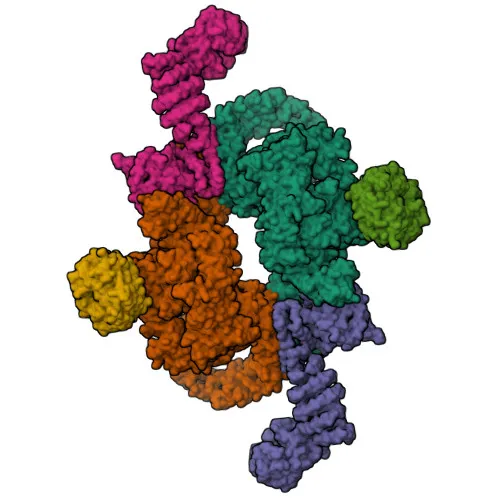
- Raptor (RPTOR), also known as KIAA1303 or RAPTOR, is the regulatory-associated protein of mTOR and a core component of the mTORC1 complex.
- As a key nutrient sensor, mTORC1 promotes anabolic processes (protein, lipid, nucleotide synthesis) and inhibits catabolic pathways (autophagy) by phosphorylating substrates like RPS6KB1 and EIF4EBP1. Related references: PMID:12150925 PMID:12150926 PMID:12747827
- Raptor acts as a molecular adapter within mTORC1, mediating lysosomal recruitment via Rag GTPases and directing TOS motif-containing substrates to the MTOR kinase domain. Related references: PMID:12747827 PMID:24403073 PMID:26588989
- Subcellularly, Raptor localizes to the lysosome membrane, cytoplasm, and cytoplasmic granules, consistent with its signaling role.
- Post-translational modifications include phosphorylation, acetylation, and ubiquitination, which regulate mTORC1 activity; the Ser792 residue targeted by this antibody lies within a regulated phosphosite region.
- Tissue expression is broad, with highest levels in skeletal muscle, nasal mucosa, and pituitary, and detectable in brain, lung, kidney, and placenta.
- Alternative splicing generates isoforms, and the protein contains WD repeats that mediate protein-protein interactions.
Experimental Guidance and Technical Tips
- For Western blot analysis, include phosphatase inhibitors in lysis buffers to preserve Ser792 phosphorylation; consider treating cells with mTOR pathway modulators (e.g., rapamycin, amino acid starvation) to assess signal specificity.
- Verify band specificity by antigen competition using the immunizing phosphorylated peptide versus a non-phosphorylated counterpart in your sample system.
- Use a high-percentage transfer gel and extended transfer times for the 149 kDa full-length protein, and always validate in the relevant human or mouse tissue/cell line.
- For ELISA applications, optimize coating conditions and use a phospho-specific detection strategy; cross-reactivity with non-phosphorylated Raptor should be ruled out empirically.
CamelBio: Your One-Stop Sourcing Bridge
CamelBio serves as a comprehensive IVD raw-material sourcing partner, connecting diagnostic manufacturers and research laboratories with validated, application-tested antibodies like this anti-Phospho-Raptor-Ser792 pAb for mTOR signaling research. Our portfolio includes phospho-specific and total protein antibodies, bulk ancillary reagents, and custom antibody development services, all supported by technical consultation from concept to clinic. Whether you need rare-target reagents, optimized antibody pairs, or scalable production, CamelBio simplifies your supply chain for accelerated assay development.
Product Datasheet
Anti-Phospho-Raptor-Ser792 Rabbit Polyclonal Antibody for WB and ELISA - Q8N122
REQUEST A QUOTE
Our professional team will reply to you within one business day. Please feel free to contact us!