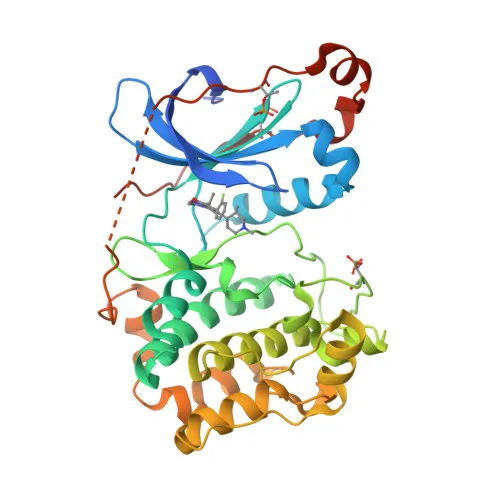
Phosphorylated Antibodies
Anti-Phospho-PKC alpha (S319) Rabbit Polyclonal Antibody for WB and ELISA - P17252
Item Number : CM0000828
Price varies based on specs and customizations
- Application
- WB, ELISA
- Cross Reactivity
- Human, Mouse, Rat
- Protein Weight
- 77kDa

Shipping:
Contact us to get shipping details Enjoy On-time Dispatch Guarantee.
Why Choose Us
Easy ordering process, quality products, and dedicated support for your business success.
Core Product Specifications and Parameters
| Parameter | Value |
|---|---|
| Product Name | Phospho-PKC alpha-S319 Rabbit pAb |
| Remarks/Alias | AAG6, PKCA, PRKACA, PKCI+/-, PKCalpha, PKC-alpha, Phospho-PKC alpha-S319 |
| Species | Human |
| Gene ID (Human) | 5578 |
| Immunogen | A synthetic phosphorylated peptide around S319 of human PKC alpha (NP_002728.2) |
| Source | Rabbit |
| Category | Phosphorylated Antibodies |
| Application | WB, ELISA |
| Cross Reactivity | Human, Mouse, Rat |
| SWISS | P17252 |
| Protein Weight | 77kDa |
| Shipping | Ice bag |
Biological Background: PKC alpha Function and Localization
- PKC alpha is a calcium-, DAG-, and phospholipid-dependent serine/threonine kinase (gene PRKCA) that acts as a key regulator of cell proliferation, differentiation, and apoptosis.
- It modulates the MAPK/ERK pathway by phosphorylating RAF1, and exerts anti-apoptotic effects through BCL2 phosphorylation and suppression of p53/TP53-induced IGFBP3.
- PKC alpha plays dual roles in cancer: it promotes tumorigenesis in gliomas and breast cancers, yet induces cell cycle arrest in intestinal cells.
- In the cardiovascular system, it phosphorylates cardiac troponin T (TNNT2), reducing myofilament calcium sensitivity and myocardial contractility, and promotes angiogenesis and platelet aggregation.
- During chemokine-directed T cell migration, PKC alpha phosphorylates DOCK8, leading to its dissociation from LRCH1 and activation of CDC42 (PubMed:28028151). Related references: PMID:28028151
- It phosphorylates KLHL3 in response to angiotensin II, modulating WNK4 interactions and ion transport (PubMed:25313067). Related references: PMID:25313067
- PKC alpha activates LRRK1, which phosphorylates RAB proteins, thereby regulating intracellular vesicle trafficking (PubMed:36040231). Related references: PMID:36040231
- The protein shuttles between the cytoplasm, plasma membrane, mitochondrion, and nucleus; its primarily cytosolic localization is altered upon activation, with phosphorylation being a key regulatory mechanism.
Experimental Guidance and Technical Tips
- The immunogen is a synthetic phosphorylated peptide corresponding to Ser319. Thus, this antibody is expected to specifically recognize the phosphorylated form of PKC alpha; validate specificity in your sample system by comparing signals between stimulated and unstimulated lysates or using phosphatase treatment.
- For Western blotting, consider loading whole-cell lysates from human, mouse, or rat cell lines known to express PKC alpha, and use appropriate blocking and washing conditions to minimize non-specific binding.
- In ELISA, ensure the antigen coating buffer and concentration are optimized; the antibody may be used for phospho-peptide detection in competitive or direct formats.
- Always include appropriate positive and negative controls (e.g., stimulated vs. untreated cells) for phospho-specific detection.
CamelBio: Your One-Stop Sourcing Bridge
CamelBio serves as a comprehensive one-stop sourcing bridge for IVD raw materials, offering validated antibody pairs, optimized polyclonal antibodies, bulk ancillary reagents, and rare target raw-material sourcing. This phospho-specific PKC alpha antibody supports research and assay development in oncology, cardiovascular biology, and cell signaling pathways. Partner with CamelBio to streamline your procurement from concept to clinic.
REQUEST A QUOTE
Our professional team will reply to you within one business day. Please feel free to contact us!