Phosphorylated Antibodies
Anti-Phospho-PI3K p85α/p55γ/p85β (Y467/Y199/Y464) Rabbit Polyclonal Antibody for WB, ELISA - P27986 / O00459 / Q92569
Item Number : CM0001364
Price varies based on specs and customizations
- Application
- WB, ELISA
- Cross Reactivity
- Human, Mouse, Rat
- Protein Weight
- 42-54kDa/81-84kDa

Shipping:
Contact us to get shipping details Enjoy On-time Dispatch Guarantee.
Why Choose Us
Easy ordering process, quality products, and dedicated support for your business success.
Core Product Specifications and Parameters
| Parameter | Value |
|---|---|
| Product Name | Phospho-PI3KP85α/P55γ/P85β-Y467/Y199/Y464 Rabbit pAb |
| Remarks/Alias | PIK3R1/PIK3R2/PIK3R3; Phospho-PI3KP85α/P55γ/P85β-Y467/Y199/Y464 |
| Species | Human |
| Gene ID | 5295/5296/8503 |
| Immunogen | Synthetic peptide |
| Source | Rabbit |
| Category | Phosphorylated Antibodies |
| Application | WB, ELISA |
| Cross Reactivity | Human, Mouse, Rat |
| SWISS | P27986/O00459/Q92569 |
| Protein Weight | 42-54kDa/81-84kDa |
| Shipping | Ice bag |
Biological Background: PI3K Regulatory Subunit p85α (PIK3R1) Function and Localization
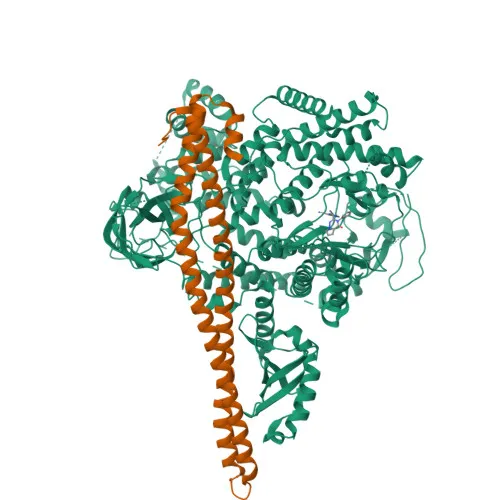
- Encoded by the PIK3R1 gene, the phosphatidylinositol 3-kinase regulatory subunit alpha (p85α) is a key adapter protein that contains SH2 and SH3 domains, mediating the recruitment of the p110 catalytic subunit to activated receptor tyrosine kinases at the plasma membrane.
- Through its SH2 domains, p85α binds to phosphorylated tyrosine residues on activated growth factor receptors (e.g., FGFR, PDGFR, KIT) and insulin receptor substrates, thereby coupling p110 to downstream PI3K/AKT signaling. Related references: PMID:7518429 PMID:17626883 PMID:19805105
- p85α is essential for insulin-stimulated glucose uptake and glycogen synthesis in insulin-sensitive tissues, linking PI3K activity to metabolic homeostasis.
- The protein modulates the cellular response to endoplasmic reticulum stress by promoting nuclear translocation of XBP1, thereby contributing to glucose tolerance improvement under metabolic overload conditions. Related references: PMID:20348923
- Alternative splicing generates multiple isoforms of p85α (e.g., p55α, p50α), with isoform 2 expressed predominantly in skeletal muscle and brain, and at lower levels in kidney and cardiac muscle.
- Subcellularly, p85α localizes to the cytoplasm, where it exists as a monomer or dimer, and rapidly translocates to membrane-bound signaling complexes upon growth factor stimulation.
- Post-translational modifications include phosphorylation at multiple tyrosine residues (e.g., Y467), acetylation, and ubiquitination, which regulate protein stability, interaction partners, and signal termination.
- The protein is also implicated in host-virus interactions and is categorized under keywords such as SH2 domain, SH3 domain, phosphoprotein, and stress response, reflecting its versatile roles in cellular regulation.
Experimental Guidance and Technical Tips
- The immunogen is a synthetic phosphopeptide corresponding to residues around Y467 of human p85α; the antibody cross-reacts with equivalent phosphorylation sites in p55γ (Y199) and p85β (Y464). Consider verifying specificity by peptide competition assays or phosphatase treatment.
- For Western blotting, use whole-cell lysates prepared with phosphatase inhibitors to preserve phospho‑epitopes. Expected bands: p85α/p85β around 81‑84 kDa and p55γ around 42‑54 kDa. Include appropriate loading controls and molecular weight markers.
- The antibody has been validated for ELISA; for quantitative analyses, consider pairing with a total‑PI3K antibody to normalize phosphorylation levels.
- To confirm reactivity with endogenous proteins, test in well‑characterized human, mouse, or rat cell lines (e.g., insulin‑stimulated or growth factor‑treated samples) and consult literature for expected phosphorylation dynamics.
CamelBio: Your One-Stop Sourcing Bridge
CamelBio serves as a comprehensive IVD raw‑material partner, offering validated antibody pairs, optimized monoclonal/polyclonal antibodies, and bulk ancillary reagents for diagnostic development. This phospho‑specific PI3K antibody supports research into PI3K/AKT‑related signaling cascades, and we can assist with sourcing rare‑target reagents or scaling up your immunoassay components. Whether you require technical consultation or streamlined procurement, CamelBio bridges the gap from concept to clinical application.
REQUEST A QUOTE
Our professional team will reply to you within one business day. Please feel free to contact us!