Phosphorylated Antibodies
Anti-Phospho-NRF2-S40 Rabbit Monoclonal Antibody for WB - Q16236
Item Number : CM0001974
Price varies based on specs and customizations
- Application
- WB, IF/ICC, IF-P, IHC-P, ELISA
- Cross Reactivity
- Human, Mouse, Rat
- Protein Weight
- 68kDa

Shipping:
Contact us to get shipping details Enjoy On-time Dispatch Guarantee.
Why Choose Us
Easy ordering process, quality products, and dedicated support for your business success.
Core Product Specifications and Parameters
| Parameter | Value |
|---|---|
| Product Name | Phospho-NRF2-S40 Rabbit mAb |
| Remarks/Alias | NRF2; HEBP1; Nrf-2; IMDDHH |
| Species | Human |
| GeneID | 4780 |
| Immunogen | A synthetic phosphorylated peptide around S40 of human NRF2 (Q16236) |
| Source | Rabbit |
| Category | Phosphorylated Antibodies |
| Application | WB, IF/ICC, IF-P, IHC-P, ELISA |
| Cross Reactivity | Human, Mouse, Rat |
| SWISS | Q16236 |
| Protein Weight | 68kDa |
| Shipping | Ice bag |
Biological Background: NRF2 Function and Localization
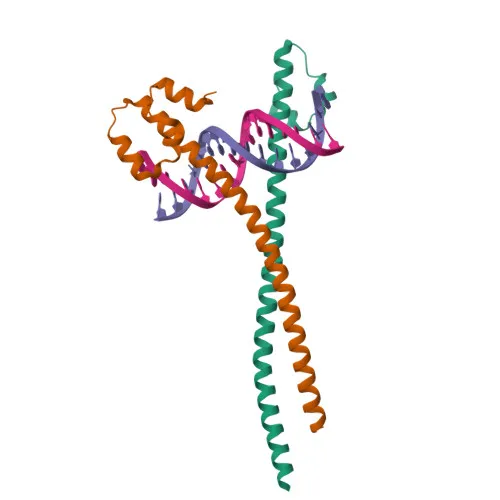
- NRF2 (Nuclear factor erythroid 2-related factor 2), encoded by NFE2L2, is a transcription factor that regulates cellular responses to oxidative stress by binding to antioxidant response elements (AREs) in promoters of cytoprotective genes.
Related references: PMID:11035812 PMID:19489739 PMID:29018201 - Under basal conditions, NRF2 is kept at low levels via KEAP1-mediated ubiquitination and proteasomal degradation in the cytoplasm.
Related references: PMID:11035812 PMID:15601839 PMID:29018201 - Upon oxidative stress or electrophilic challenge, KEAP1 is inhibited, allowing NRF2 to translocate to the nucleus, dimerize with small Maf proteins, and activate ARE-driven gene transcription.
Related references: PMID:19489739 PMID:29590092 - NRF2 also participates in selective autophagy, where the SQSTM1/p62-KEAP1 interaction leads to NFE2L2 stabilization and pathway activation.
Related references: PMID:20452972 - Beyond redox regulation, NRF2 suppresses innate immune and inflammatory responses by blocking pro-inflammatory cytokine transcription and inhibiting IRF3 dimerization, and it restricts replication of viruses including SARS-CoV-2, HSV, and Zika virus.
Related references: PMID:30158636 PMID:33009401 - NRF2 is widely expressed, with highest levels in adult muscle, kidney, lung, liver, and fetal muscle. Subcellularly, it shuttles between the cytoplasm and nucleus.
- Post-translational modifications include phosphorylation (e.g., at Ser-40), acetylation, glycation, and ubiquitination, which modulate its stability and activity.
- Alternative splicing generates multiple isoforms of NRF2.
Experimental Guidance and Technical Tips
- For Western blotting, consider using reducing conditions and loading appropriate protein amounts from cell lysates treated with oxidative stressors (e.g., H₂O₂) to detect NRF2 phosphorylation at Ser-40.
- For IHC-P, validate staining in NRF2-positive tissues such as liver or kidney, and include phosphatase inhibitor treatment during sample preparation.
- Cross-reactivity with mouse and rat has been reported; verify the expected band size (~68 kDa) in relevant species.
- In immunofluorescence, monitor nuclear translocation upon oxidative stress induction.
- For ELISA, use phosphorylated peptide controls to confirm specificity.
CamelBio: Your One-Stop Sourcing Bridge
CamelBio offers comprehensive access to IVD raw materials, supporting your NRF2-related oxidative stress and infectious disease research. We supply validated antibody pairs, optimized monoclonal/polyclonal antibodies, bulk ancillary reagents, and can source rare-target raw materials to accelerate your assay development and manufacturing. Partner with us for seamless procurement across the entire diagnostic value chain.
REQUEST A QUOTE
Our professional team will reply to you within one business day. Please feel free to contact us!